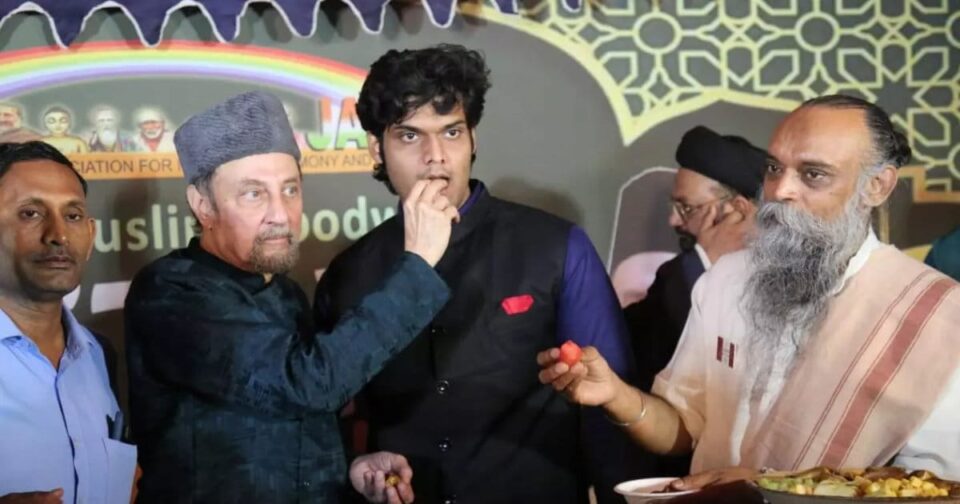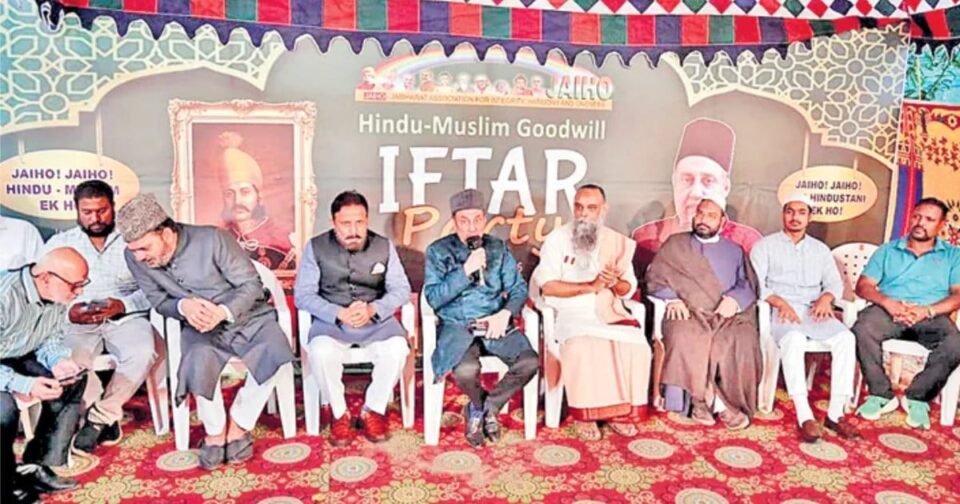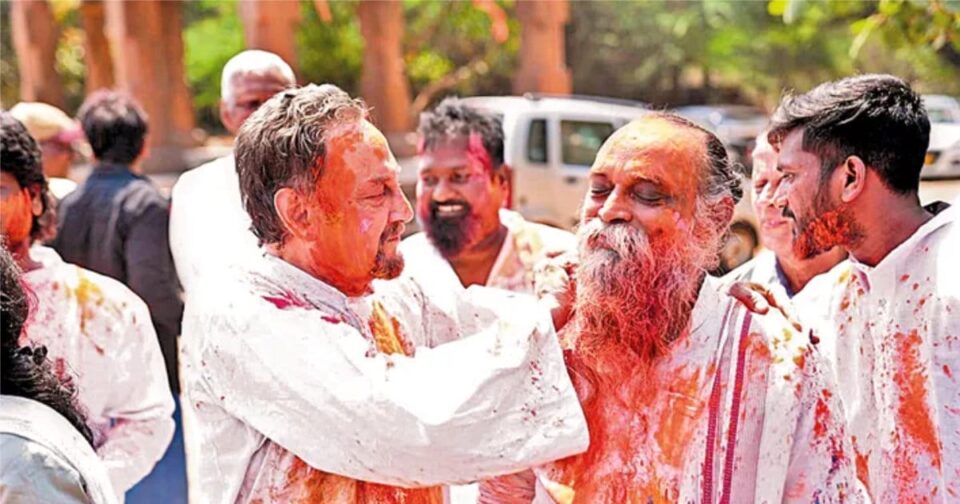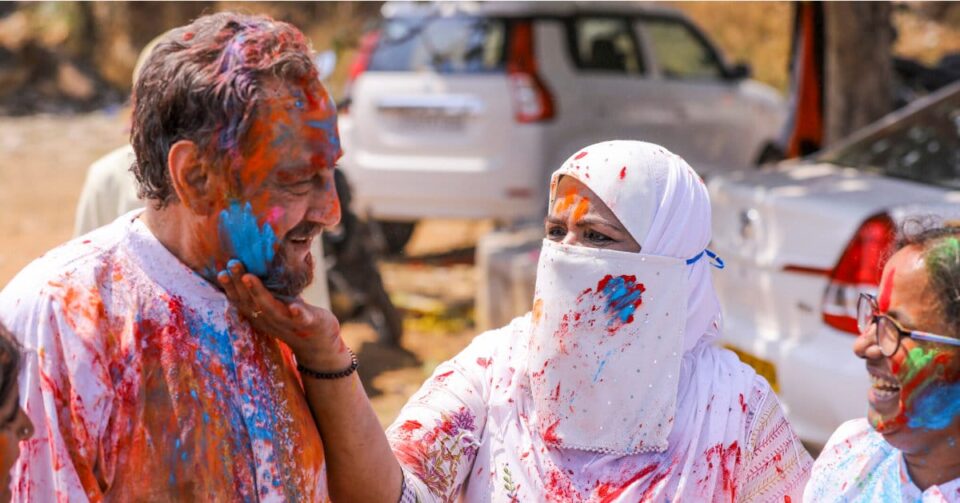
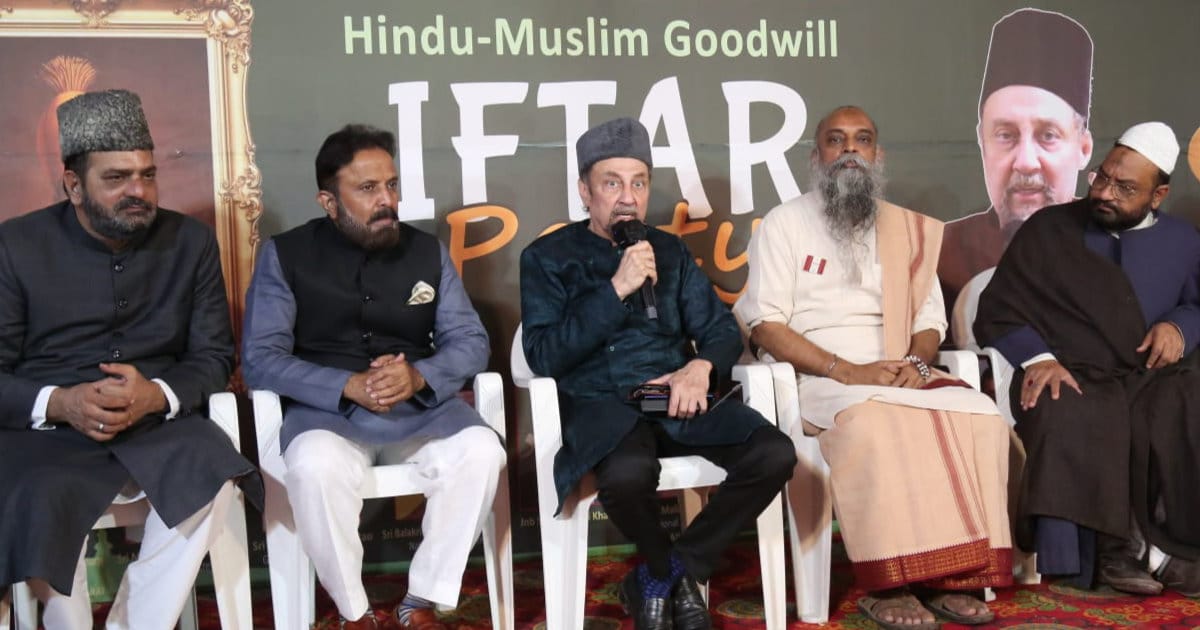
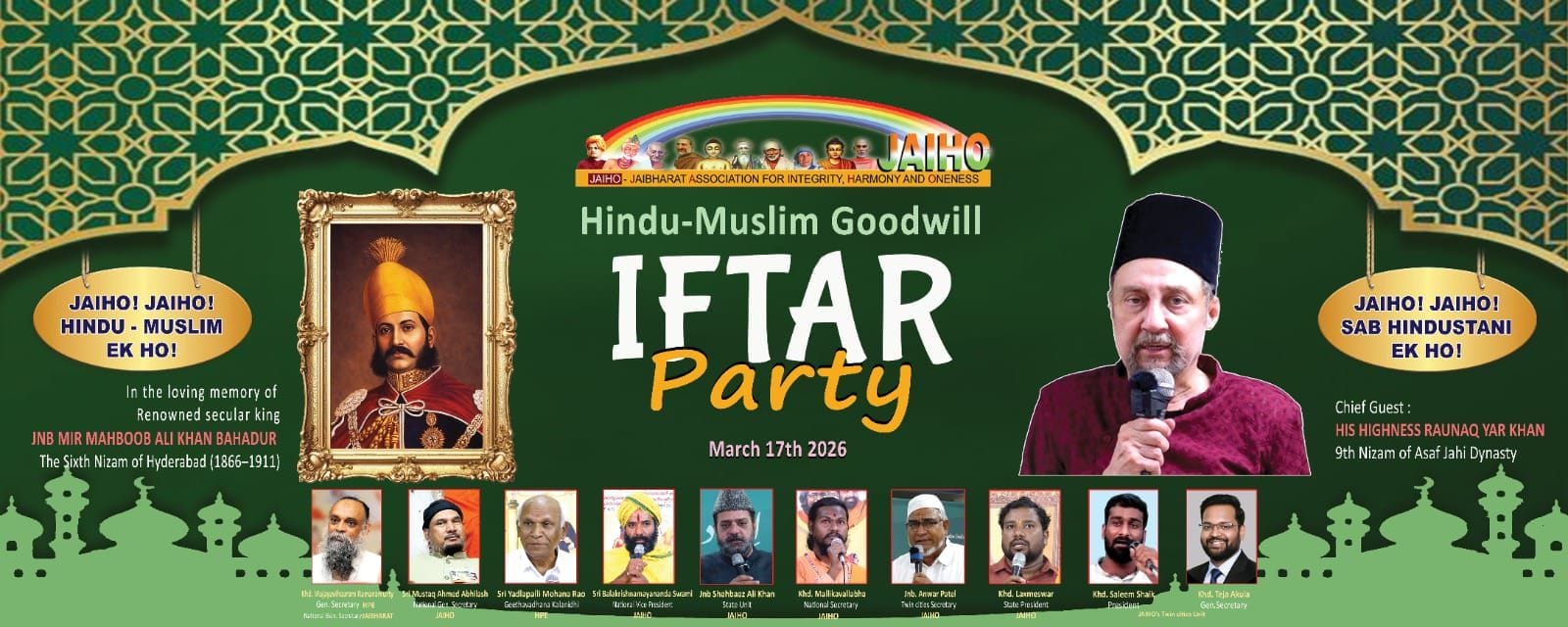
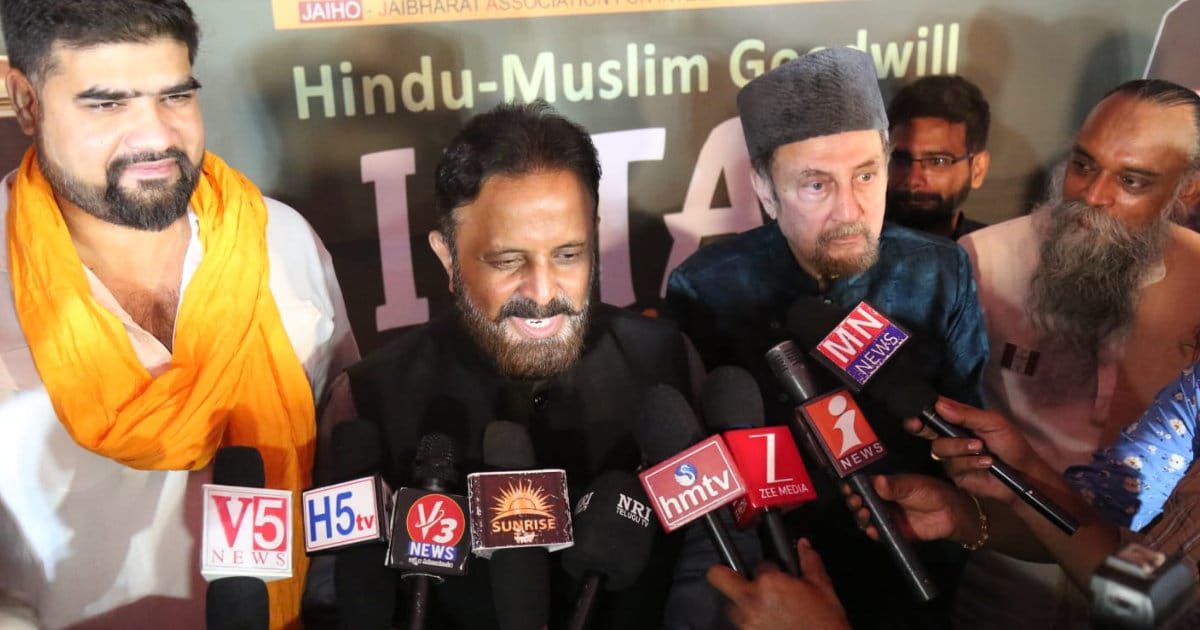
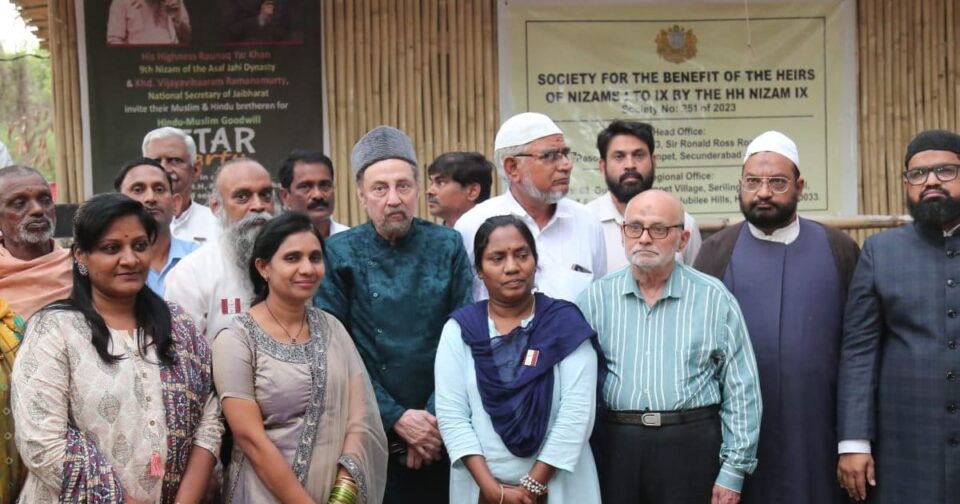
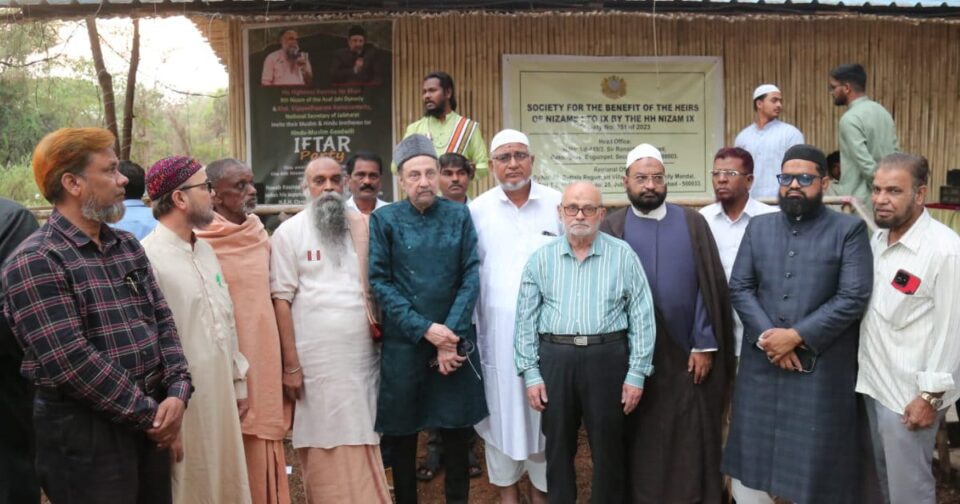
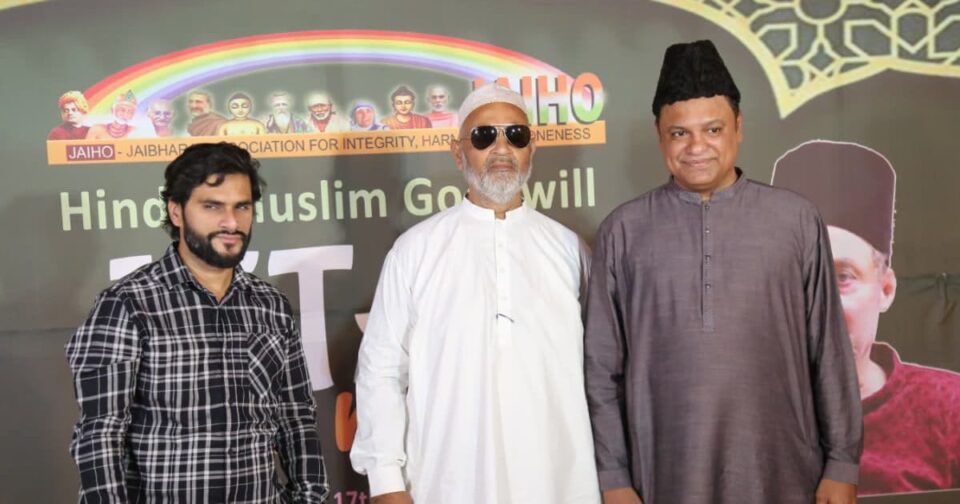
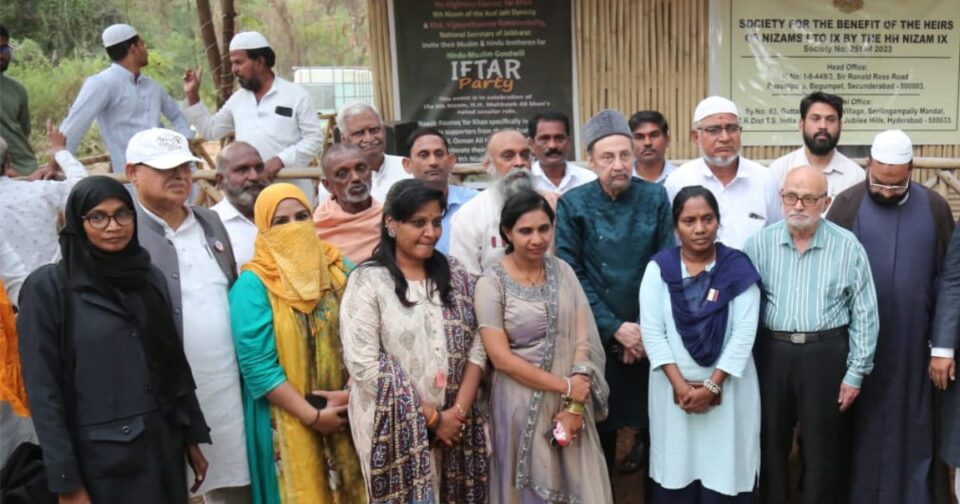
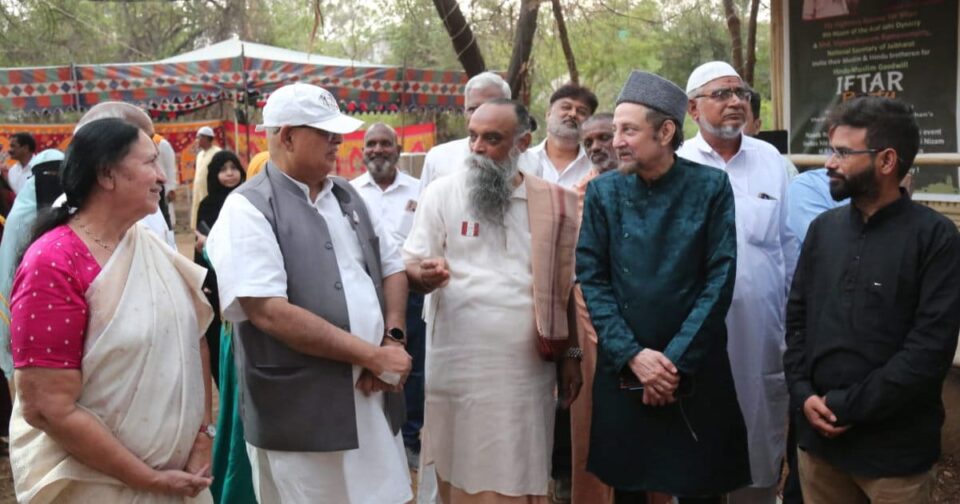
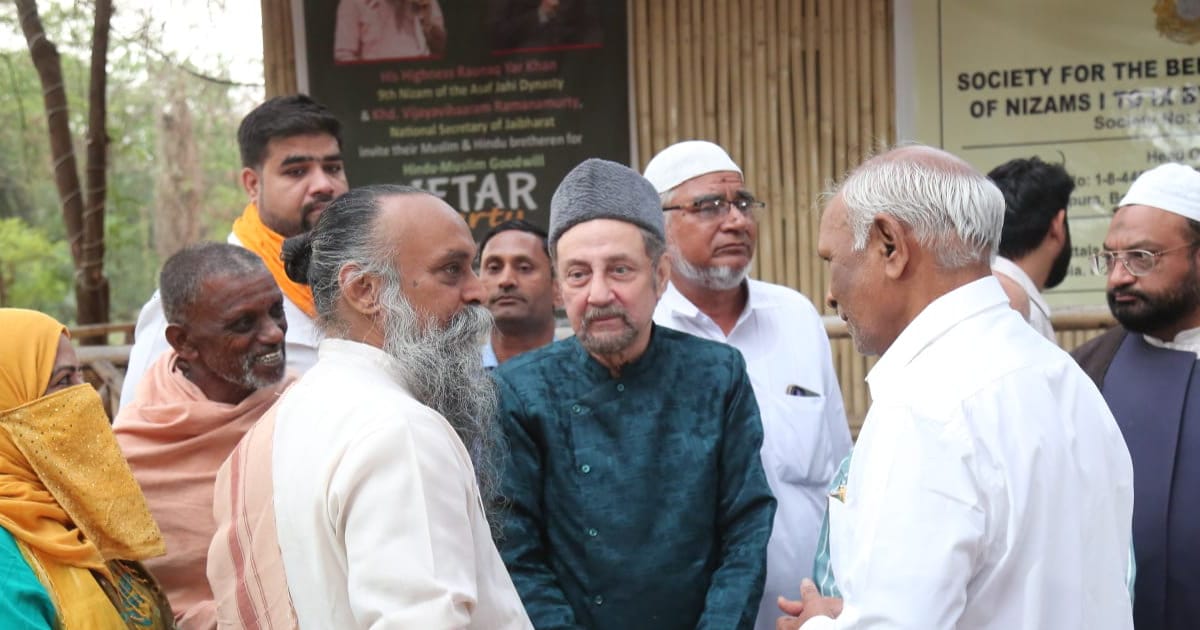
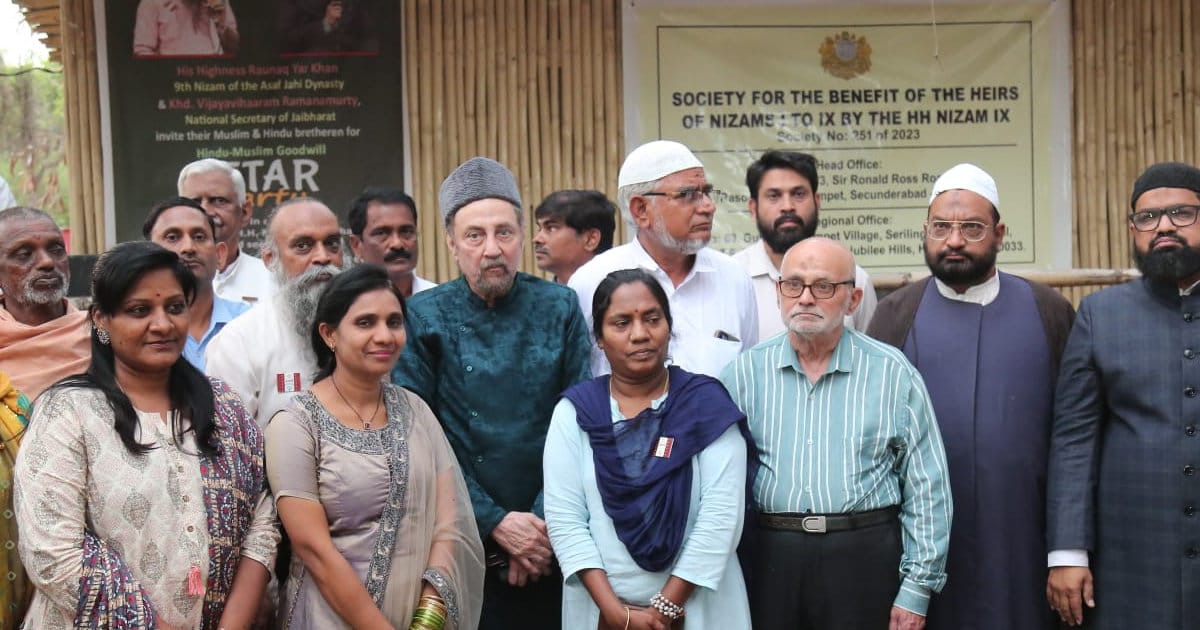
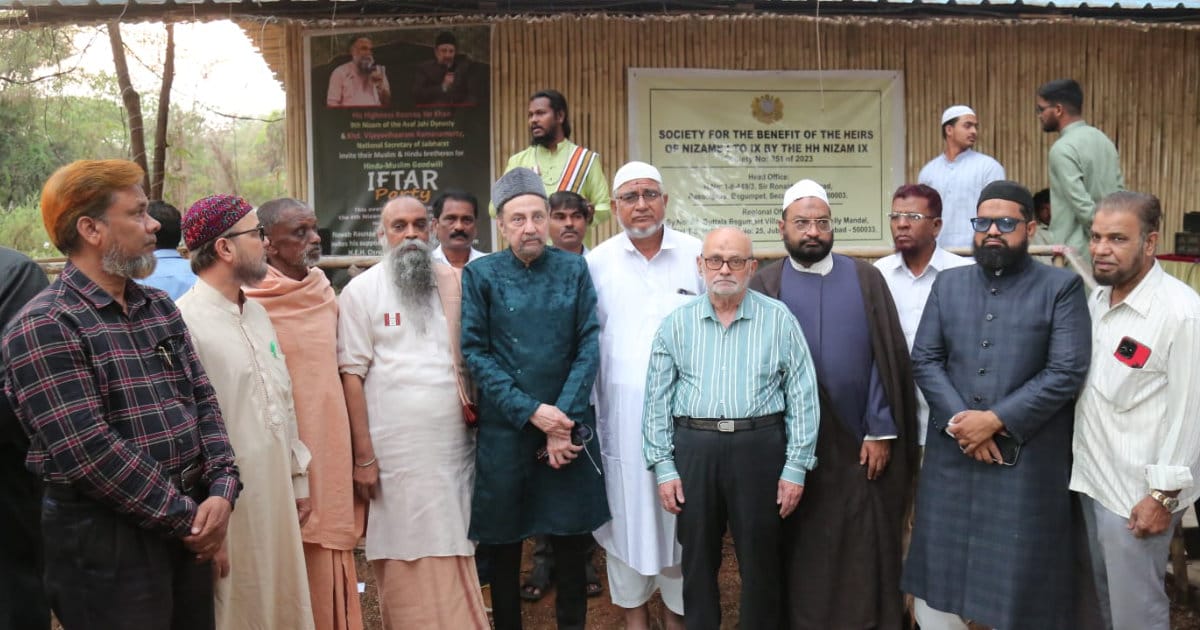
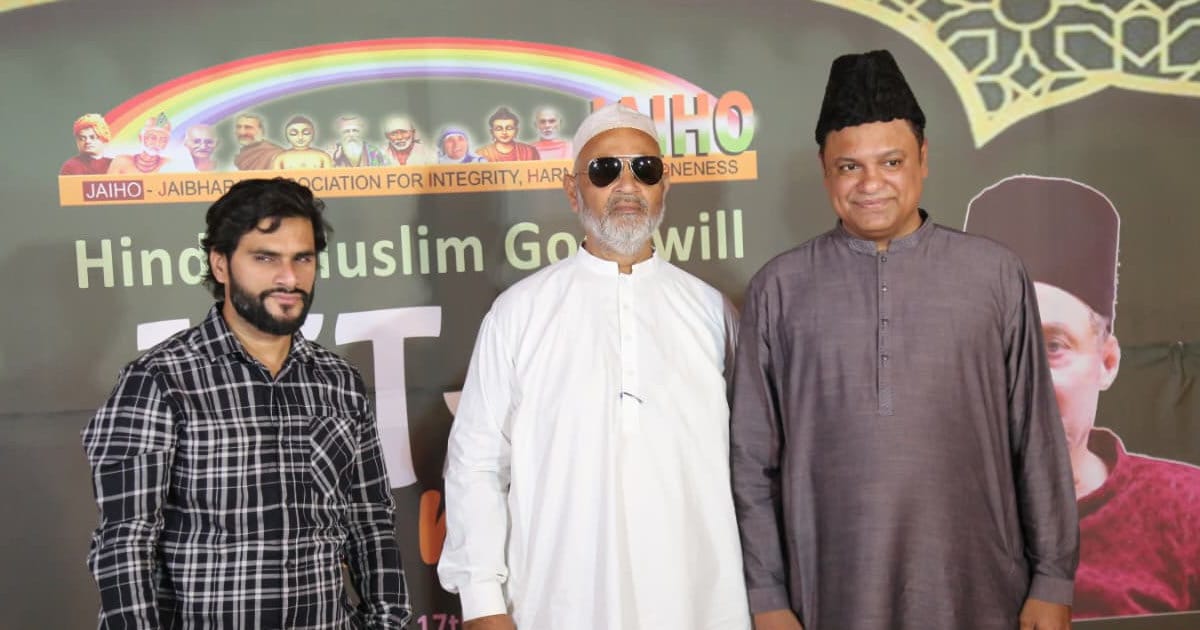
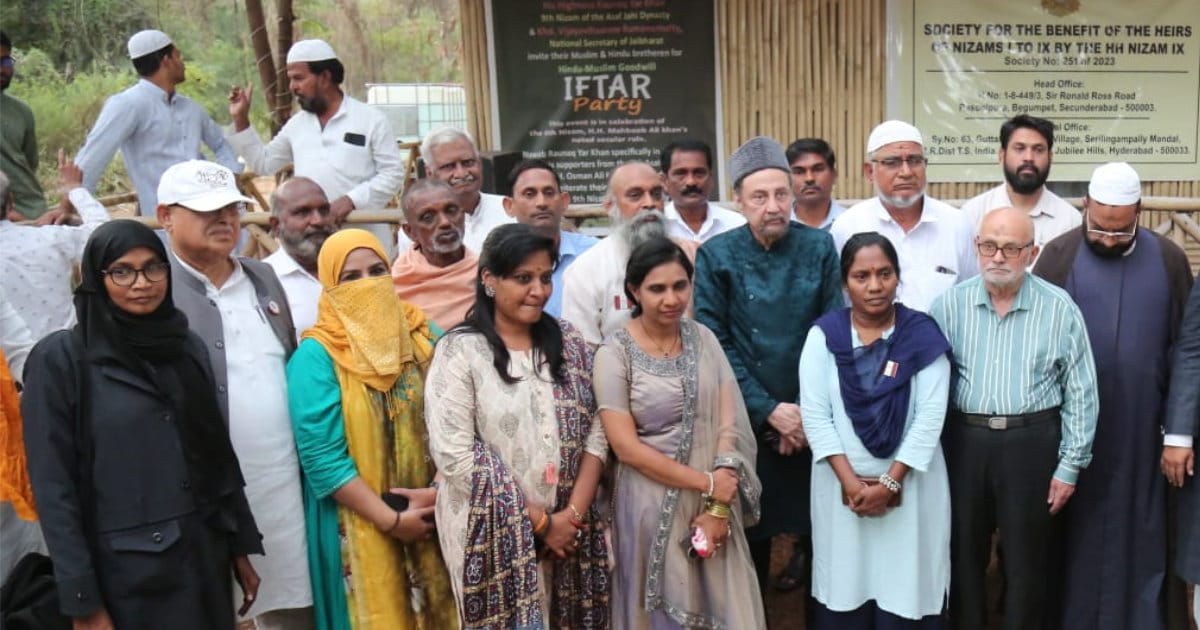
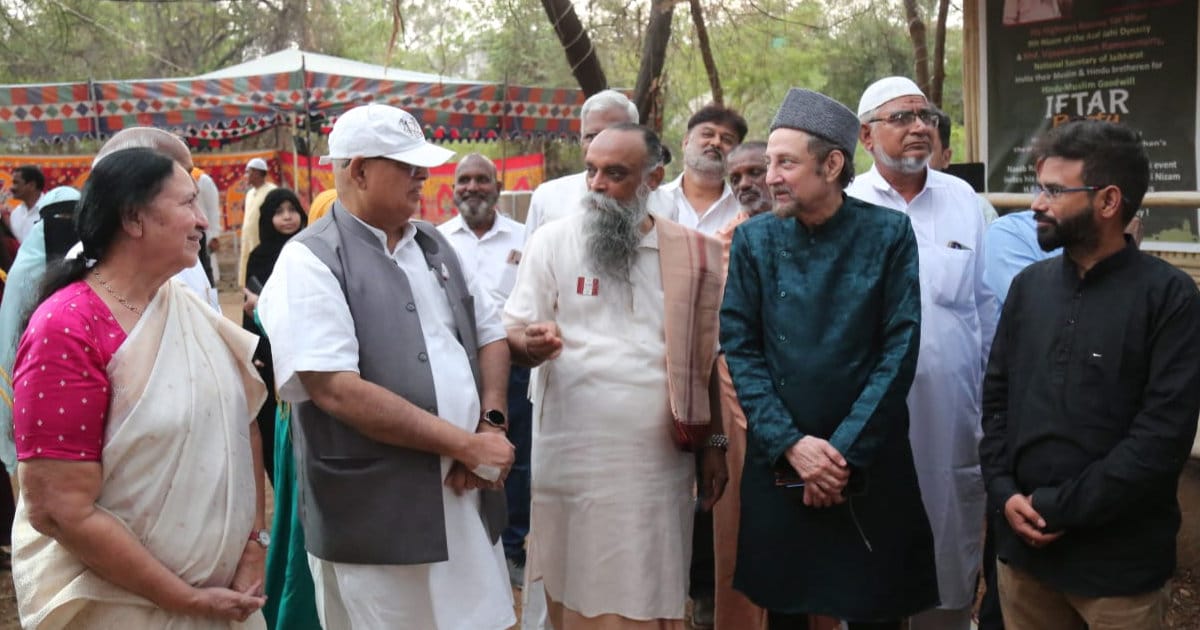
On the evening of March 17, 2025, the grounds of Raunaq’s Estate in Jubilee Hills, Hyderabad, became the site of a gathering that drew together citizens of different faiths, community leaders, and representatives of civil society for a purpose that has long defined the spirit of this city. The JAIHO (Jaibharat Association for Integrity, Harmony and Oneness) Hindu-Muslim Goodwill Iftar Party was an occasion rooted in a simple conviction – that shared space, shared conversation, and shared meals remain among the most enduring instruments of communal understanding.
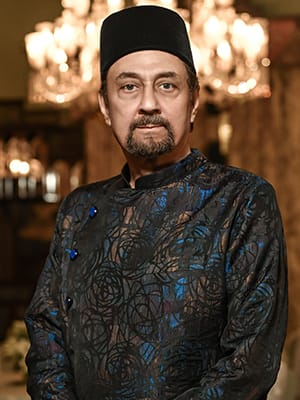
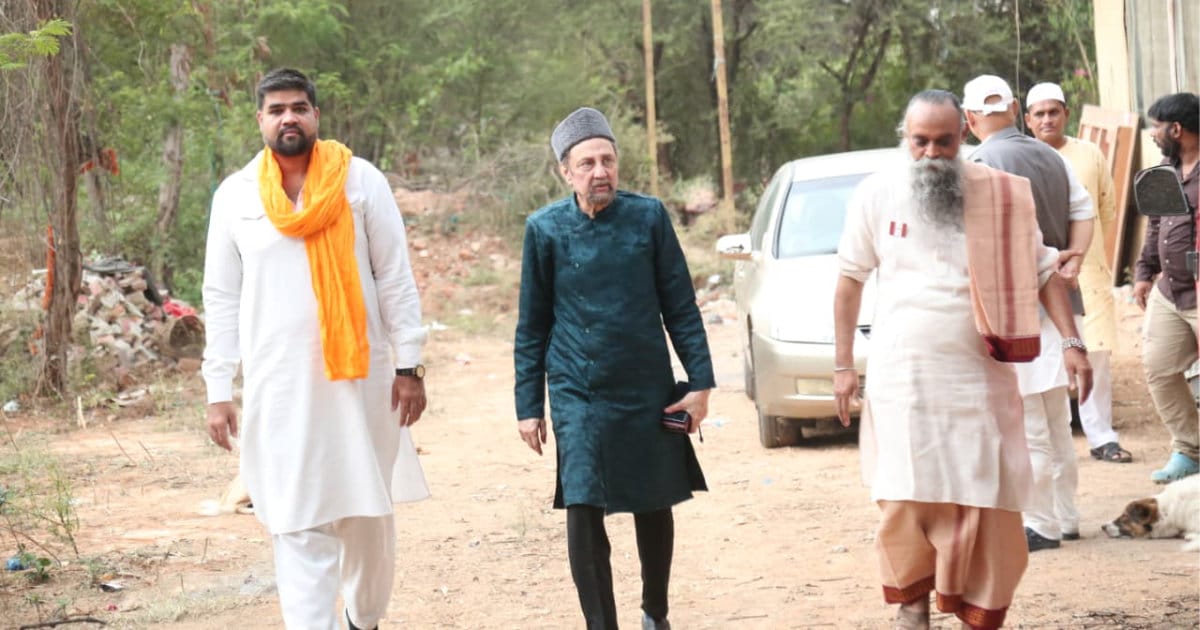
As Chief Guest of the evening, Nawab Raunaq Yar Khan, Symbolic Custodian of the Asaf Jahi legacy, attended alongside former Member of Parliament Madhu Yashki Goud, JAIHO founder V. Ramanamurthy, and a gathering of social leaders and representatives from voluntary organisations across the city. His presence at this occasion was consistent with a long tradition – one that the Asaf Jahi dynasty itself helped establish over two centuries – of treating the city’s diverse communities not as separate constituencies requiring management, but as the natural fabric of a shared civic and cultural life.
Hyderabad and the Architecture of Communal Life
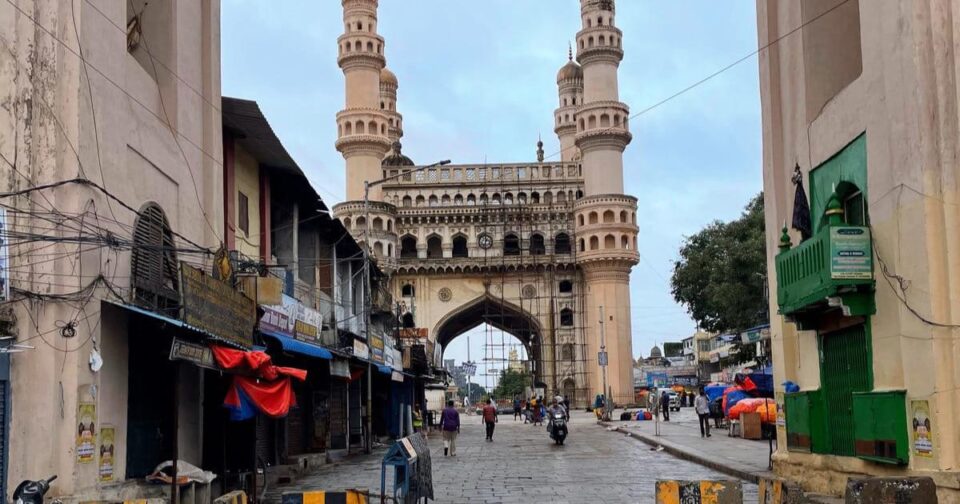
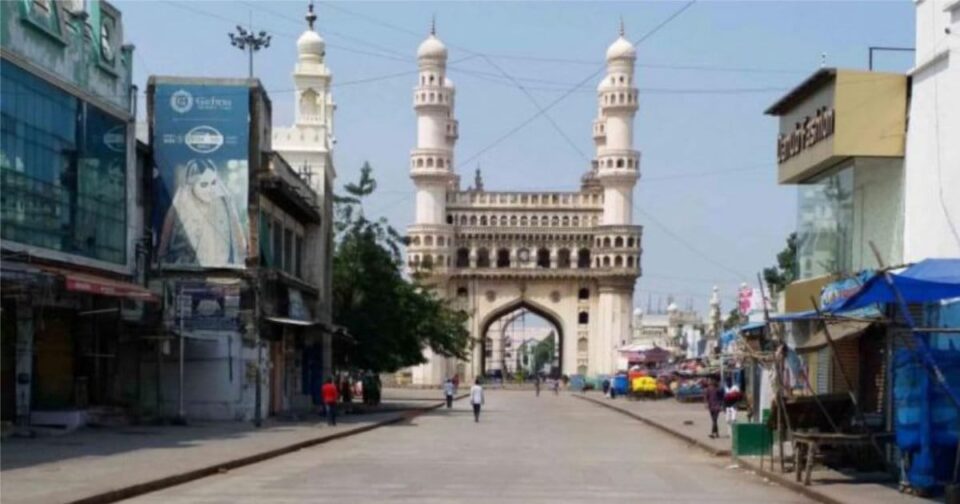
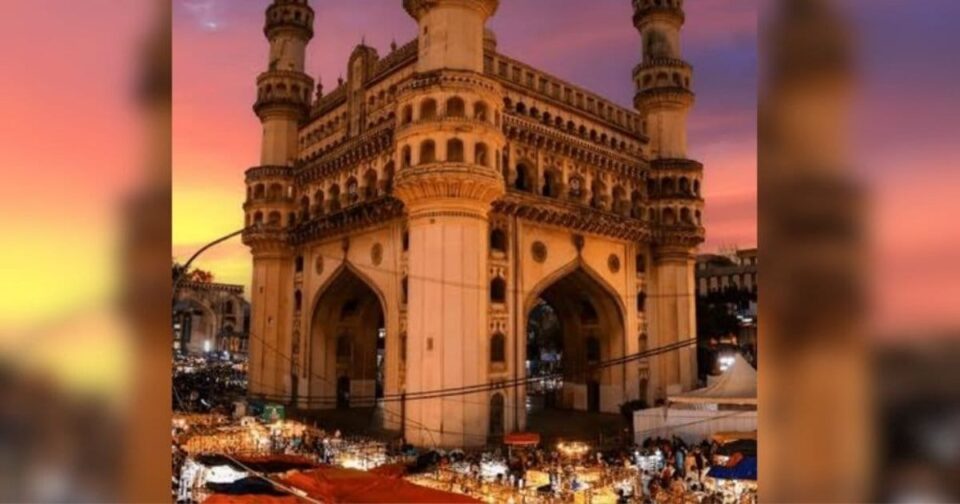
To understand why an event such as this carries particular resonance in Hyderabad, it is necessary to look briefly at the character the city has accumulated over centuries. Hyderabad was founded in 1591 and grew, through successive administrations, into a city whose identity was never reducible to a single religious, cultural, or linguistic tradition. It drew merchants, scholars, craftsmen, poets, and administrators from across the subcontinent and beyond. The result was a layered urban culture in which Hindu, Muslim, and other communities developed not merely a tolerance for one another but a genuine interdependence – architectural, linguistic, culinary, and ceremonial.
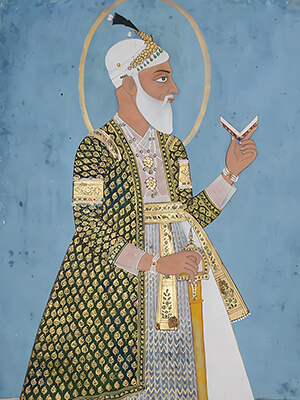
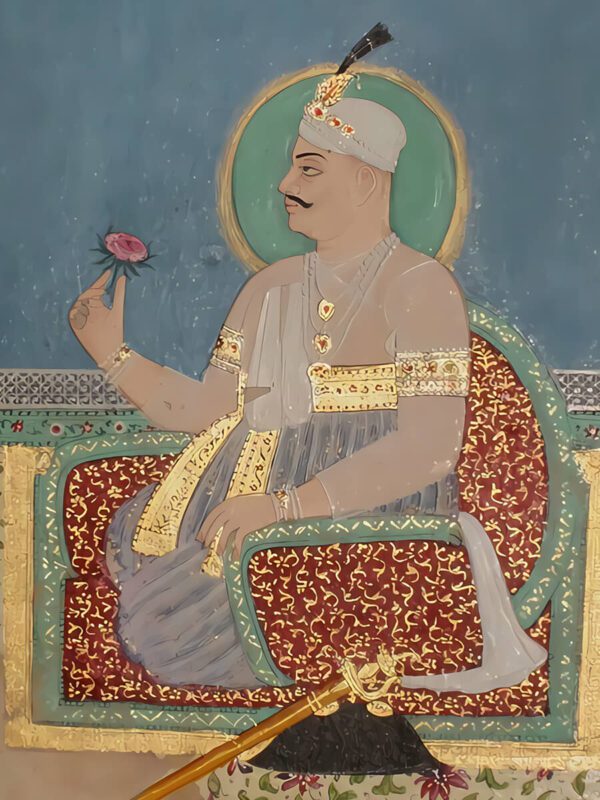
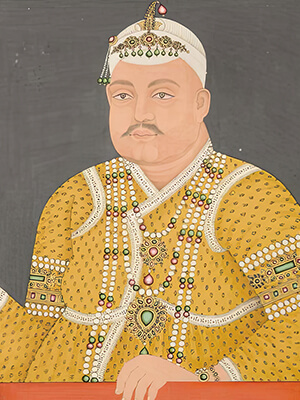
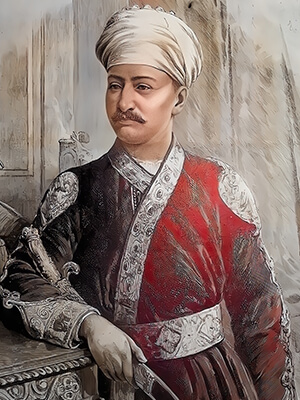
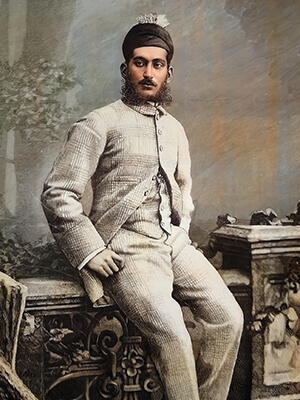
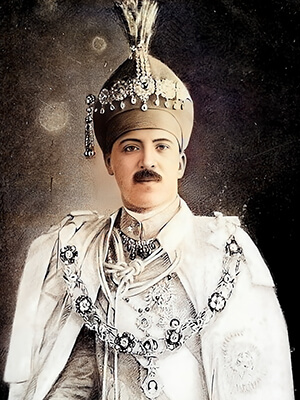
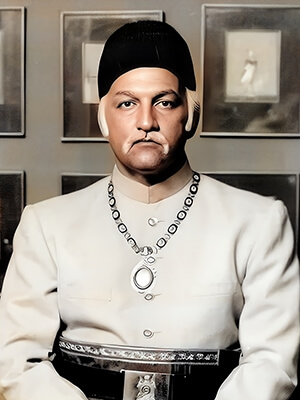
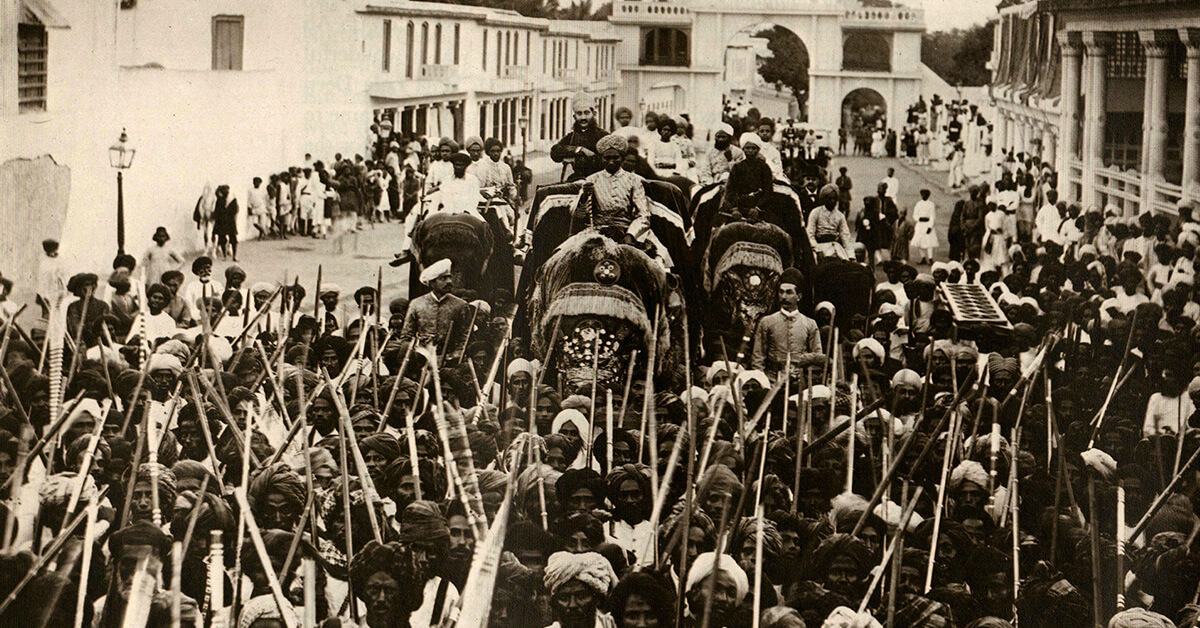
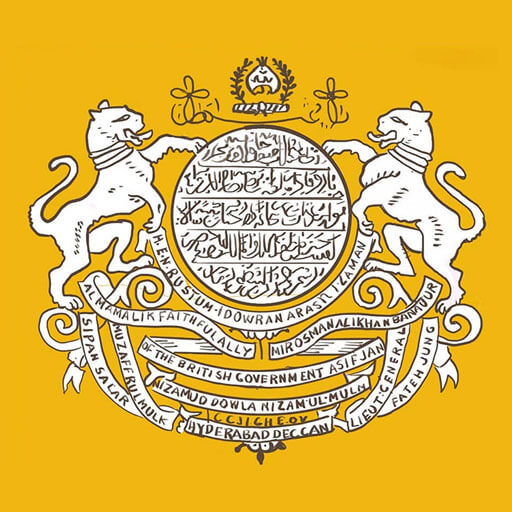
The Asaf Jahi dynasty, which governed the princely state of Hyderabad from 1724 until its accession to the Republic of India in 1948, inherited this plural city and, through its administrative and cultural choices, helped sustain and deepen its inclusive character. The Nizams of Hyderabad were known for supporting temples, churches, and gurdwaras alongside mosques, for employing administrators and artists of all backgrounds, and for presiding over a court culture that drew from multiple traditions simultaneously. This was not a calculated political posture. It reflected the organic pluralism that the city had come to embody, and which the dynasty chose to honour rather than constrain.
That inheritance – of a city that has long understood unity not as the erasure of difference but as its graceful accommodation – is precisely what events such as the JAIHO Goodwill Iftar seek to protect and reinforce. They serve as living expressions of a tradition that predates any single institution, even as they draw symbolic weight from the history that produced them.
JAIHO and the Mission of Interfaith Dialogue
The Jaibharat Association for Integrity, Harmony and Oneness was formed with a clear and stated purpose – to build and sustain the bonds between communities that political and social pressures can erode. Founded by V. Ramanamurthy, the organisation has worked to create occasions for genuine dialogue and shared experience across religious and cultural lines. Its Hindu-Muslim Goodwill Iftar is one such occasion – a gathering that uses the ritual occasion of Iftar, the breaking of the Ramadan fast at sunset, as a framework for bringing together people who might not otherwise share a common table.
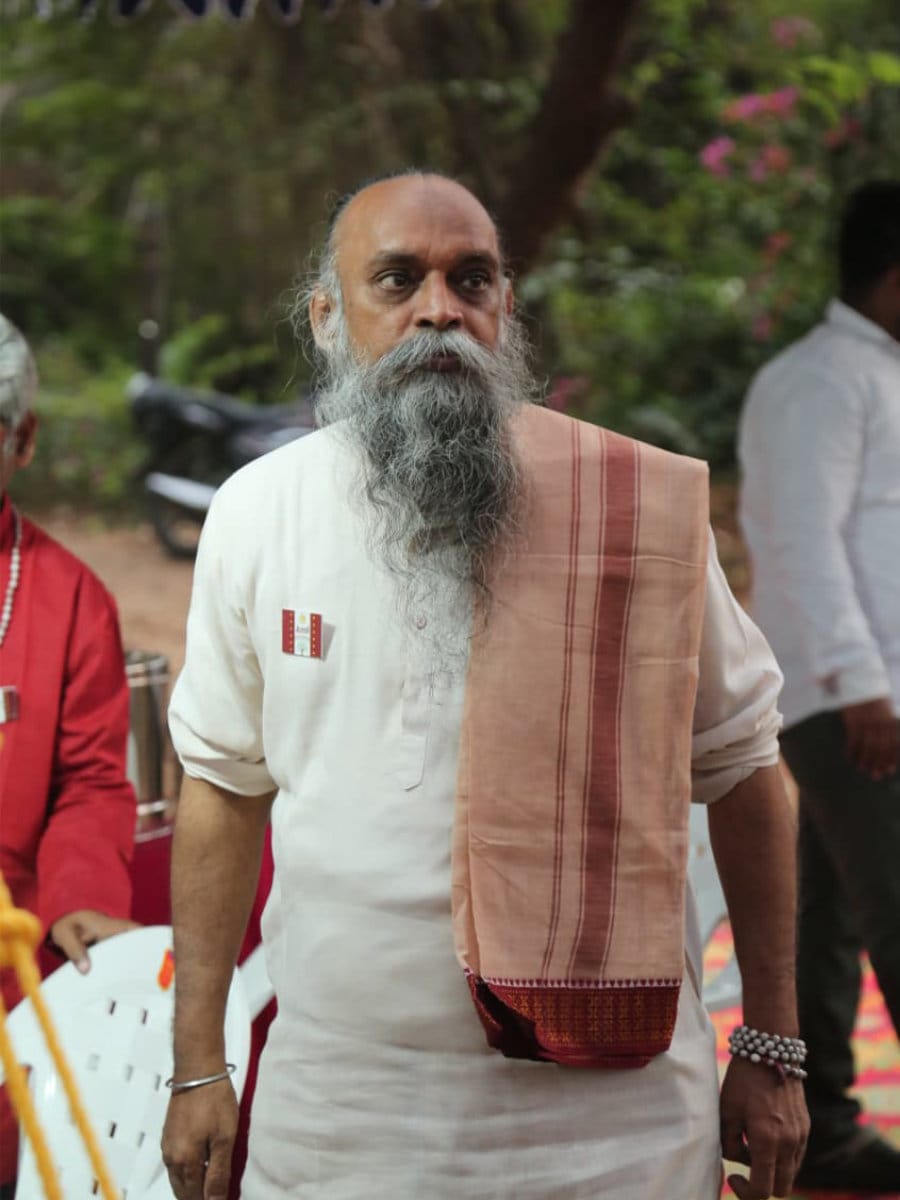
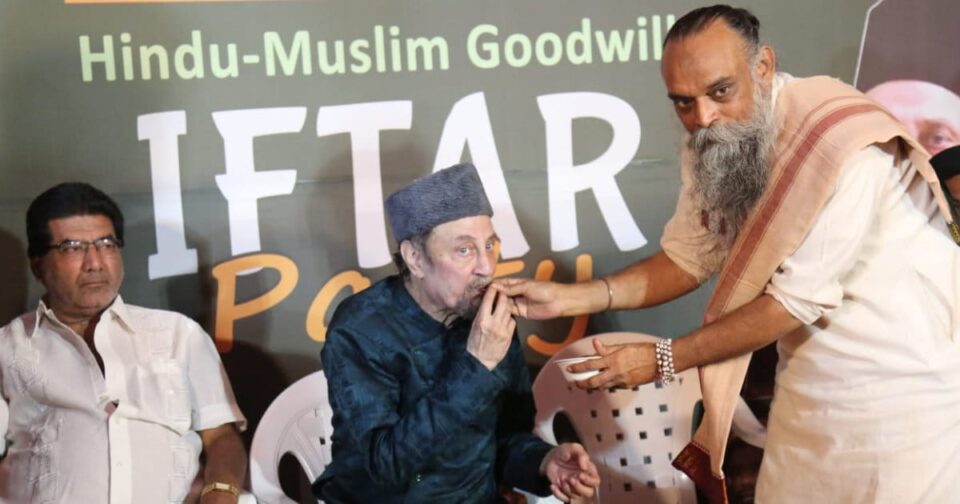
This format is significant. Iftar, as an act of hospitality, carries particular meaning. The invitation to share in the moment of breaking a fast is an invitation into a space of trust and openness. When extended across religious communities, it becomes something more than a meal – it becomes a statement about the kind of society those who attend wish to inhabit. The presence of Hindu community members alongside their Muslim neighbours at such a gathering is, in itself, an act of affirmation – an affirmation that shared humanity is not threatened by religious difference, but enriched by it.
JAIHO’s work in organising these gatherings reflects a recognition that communal harmony is not a condition that can be assumed or taken for granted. It requires active cultivation – the building of personal connections, the creation of shared memories, and the establishment of forums where people can speak honestly to one another. The goodwill iftar is one such forum, and its consistent recurrence is a measure of the organisation’s commitment to that work.
The Evening at Raunaq’s Estate
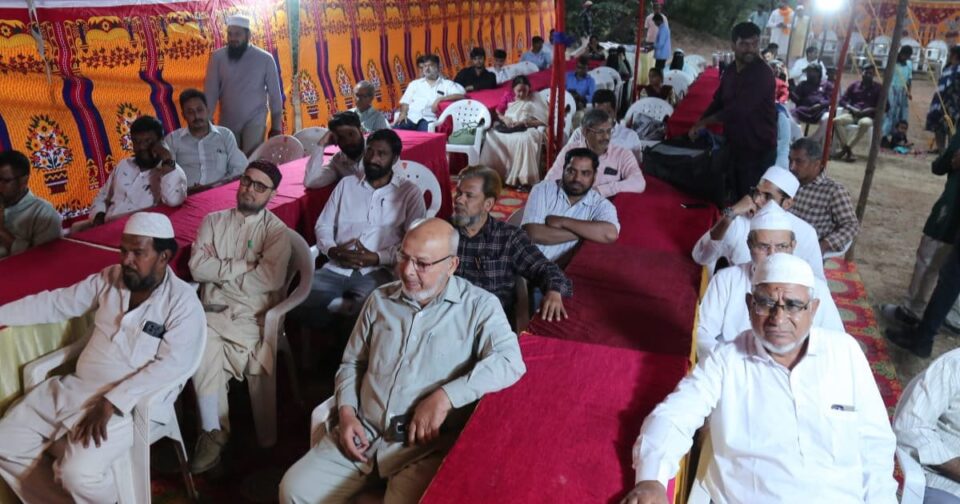
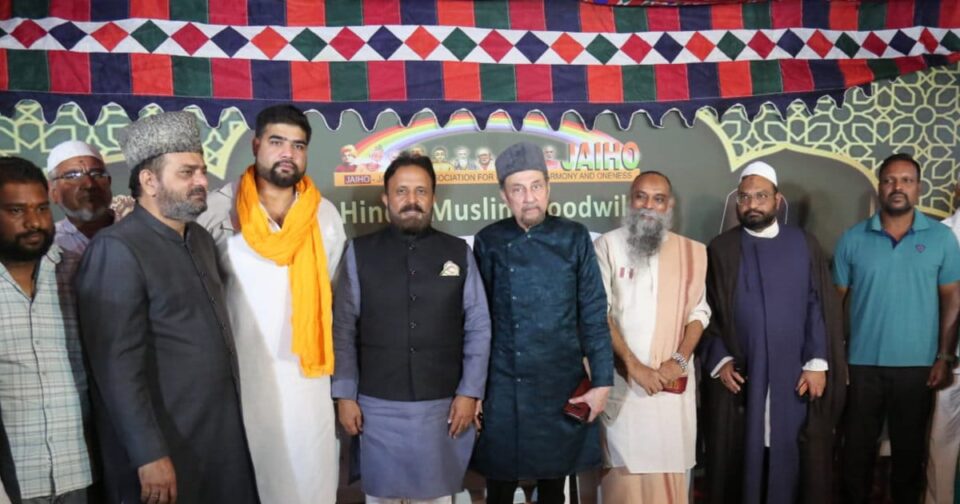
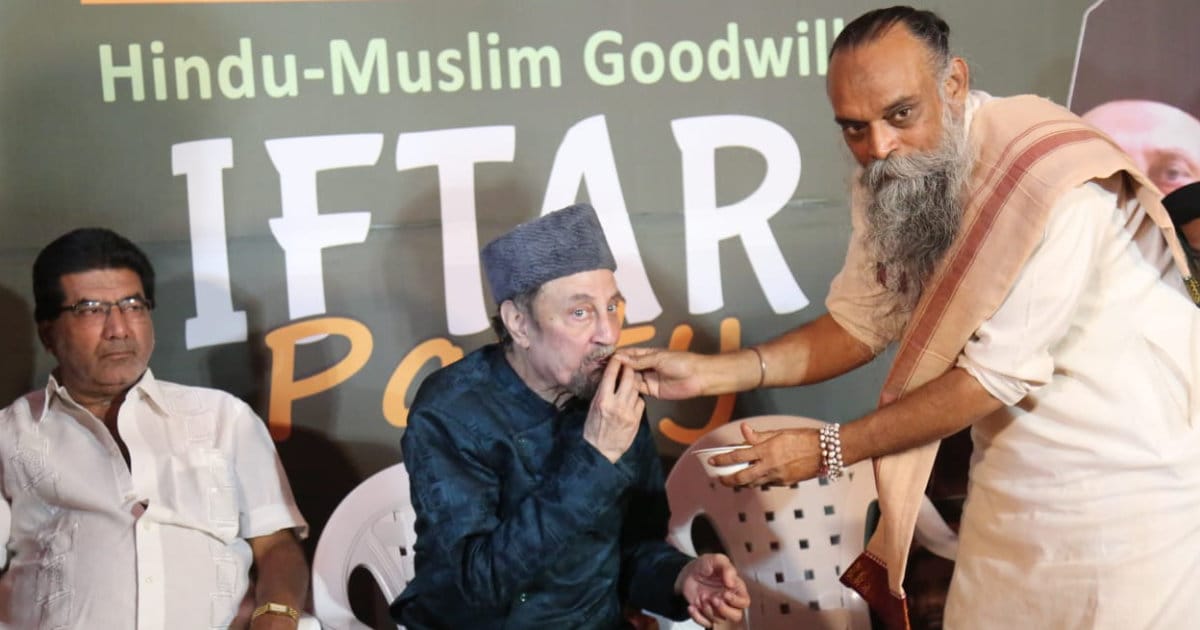
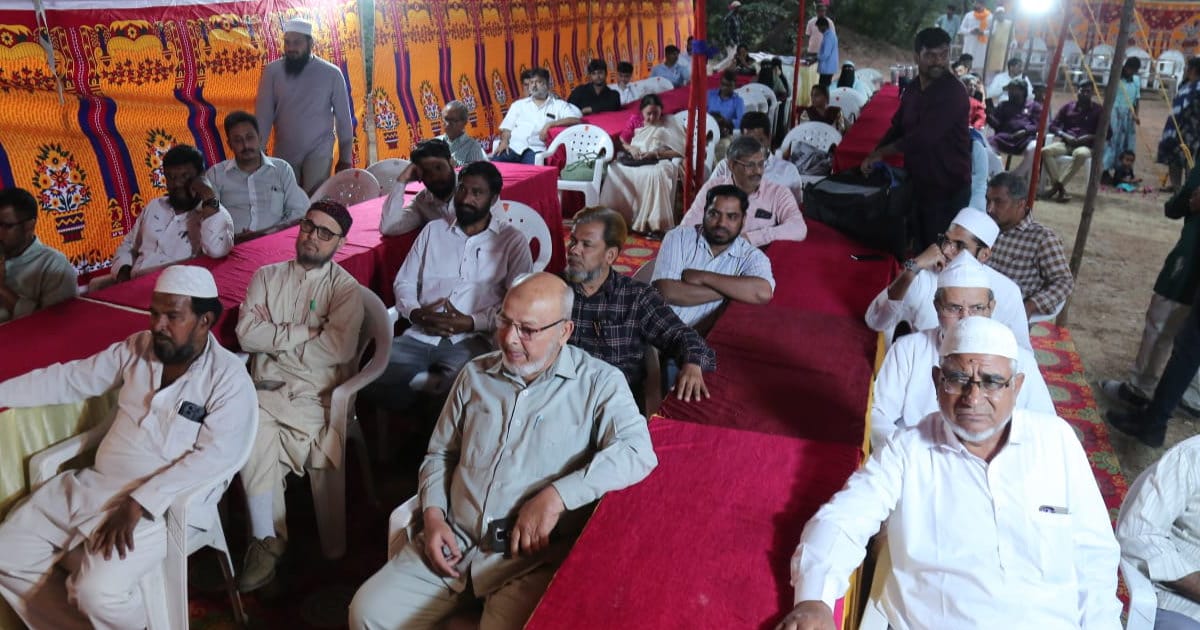
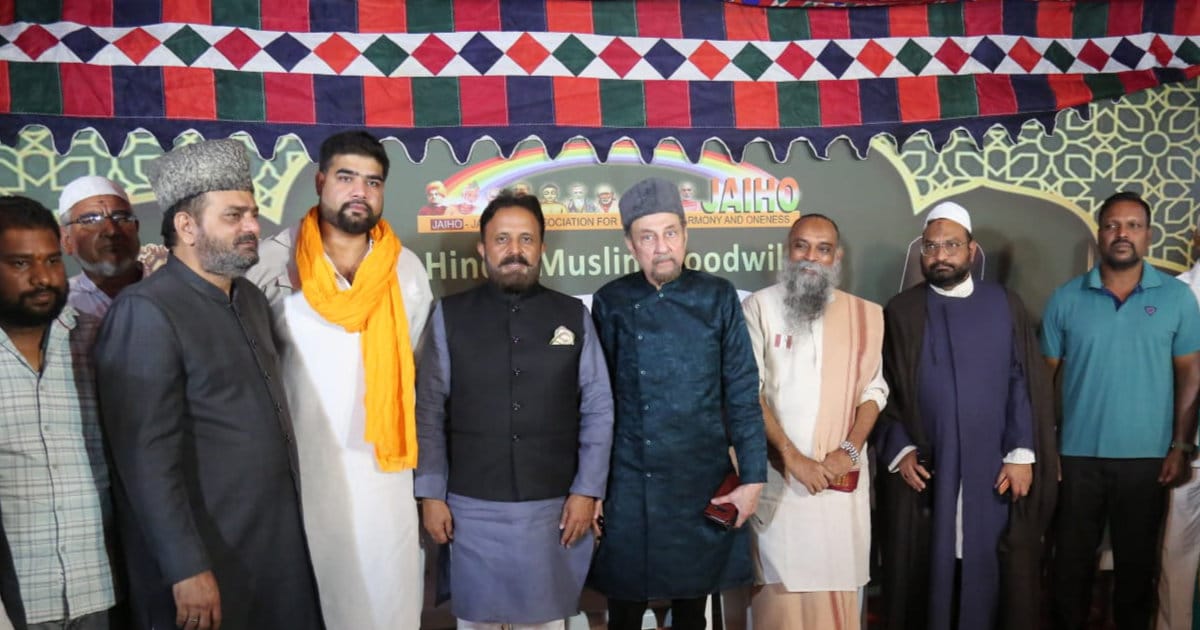
The venue for the March 17 gathering was Raunaq’s Estate in Jubilee Hills – a setting that lent the evening both intimacy and a distinctive sense of place. Jubilee Hills, one of Hyderabad’s most established residential and cultural neighbourhoods, has long been a meeting ground for the city’s professional, cultural, and social communities. As the venue for a gathering dedicated to interfaith unity, it provided an appropriate backdrop for an evening that sought to reflect Hyderabad’s contemporary character as much as its historical legacy.
The gathering brought together a range of attendees – social leaders, members of voluntary organisations, and representatives from the communities that JAIHO serves. Former Member of Parliament Madhu Yashki Goud attended as Special Guest, lending the occasion political and civic weight. His remarks drew on the importance of strengthening bonds between communities, speaking to the particular value of informal forums in sustaining the relationships that formal institutions cannot always build.
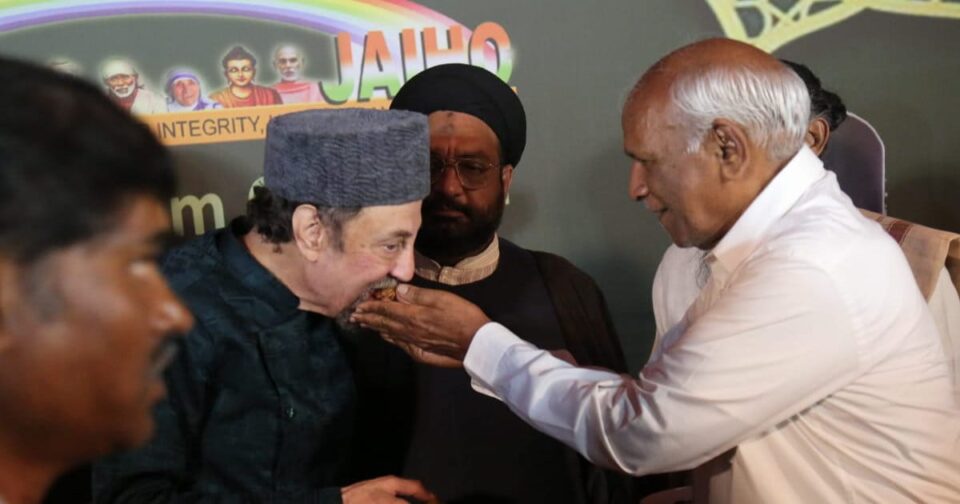
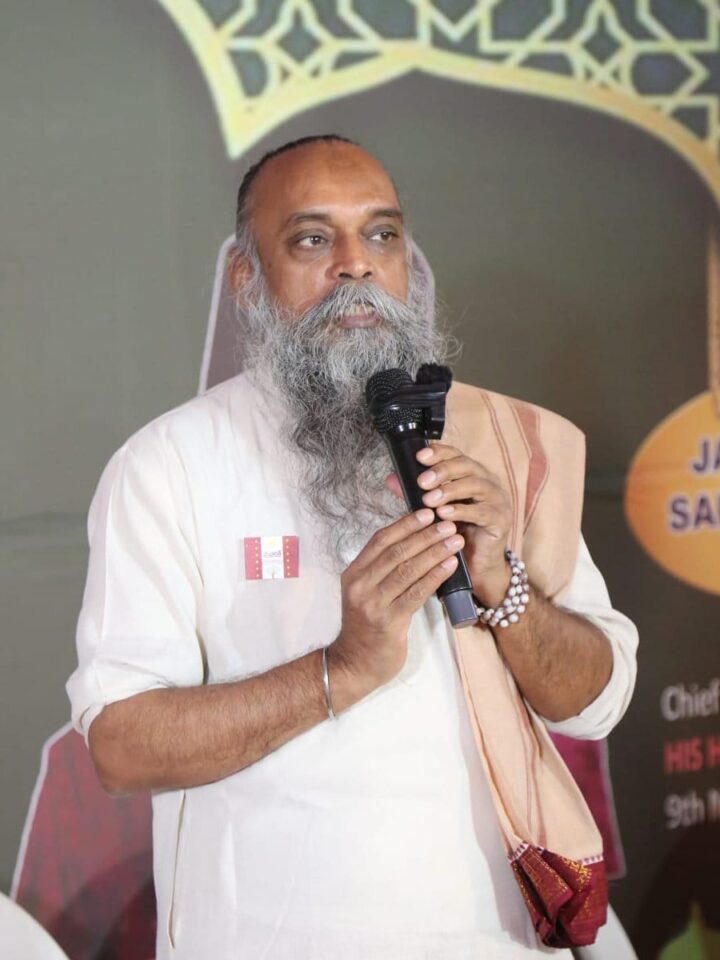
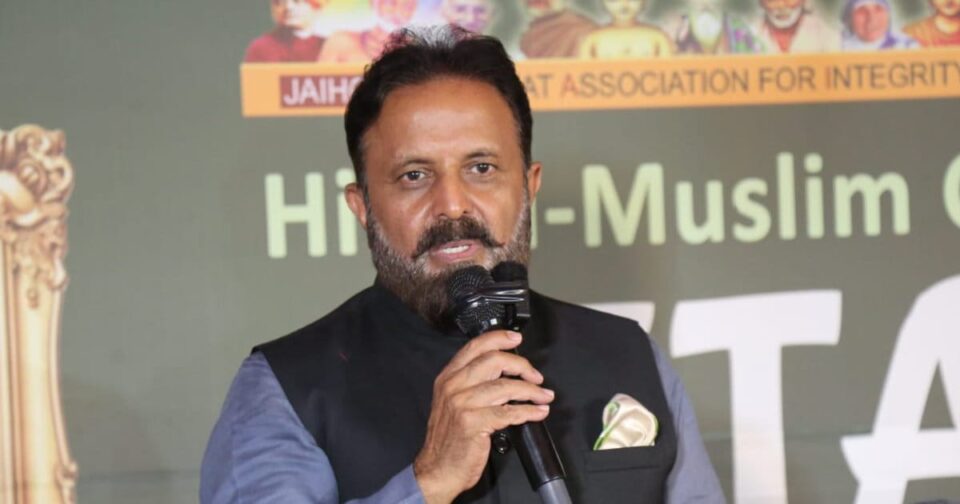
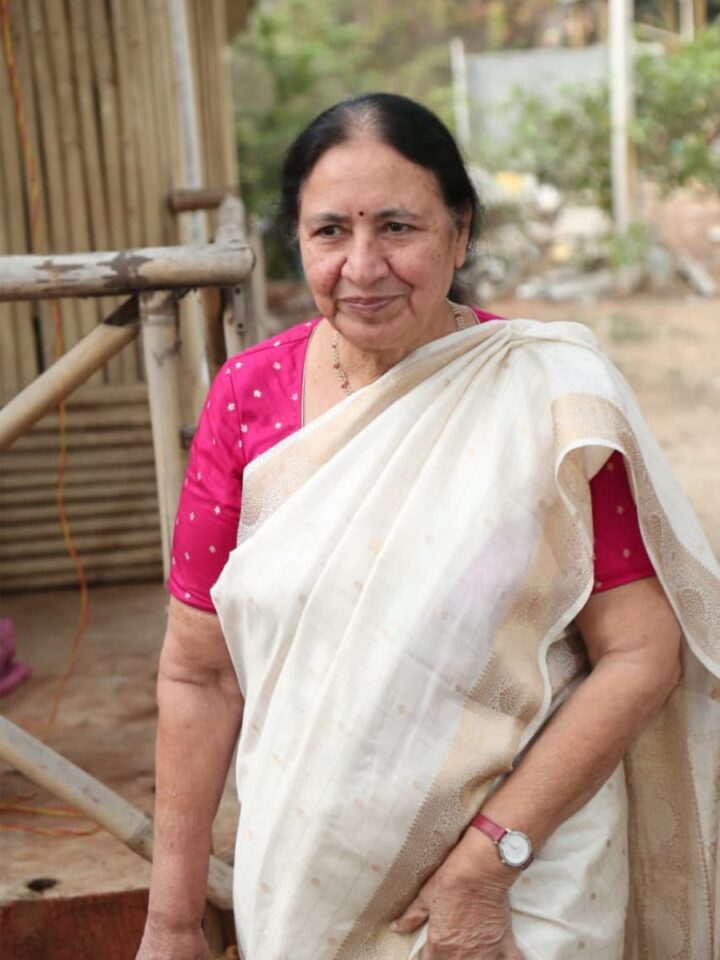
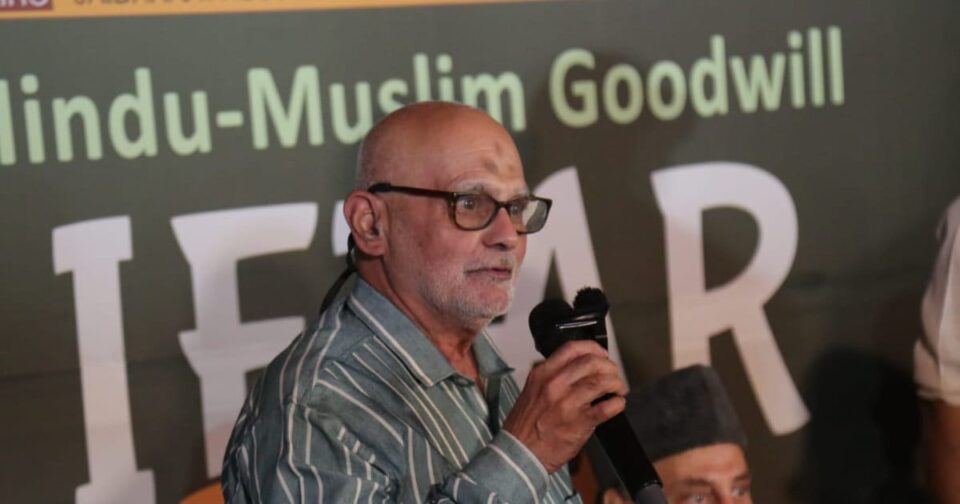
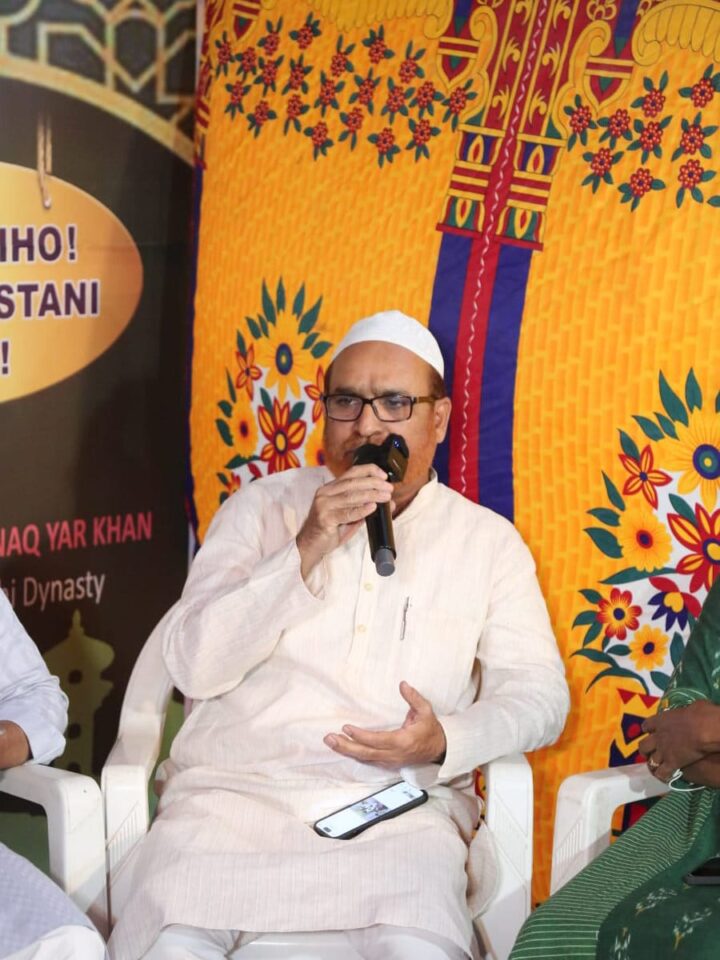
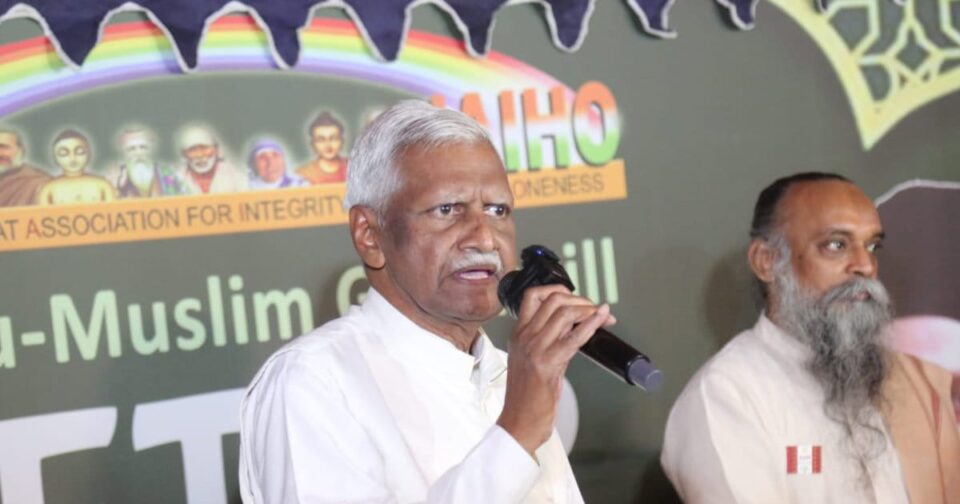
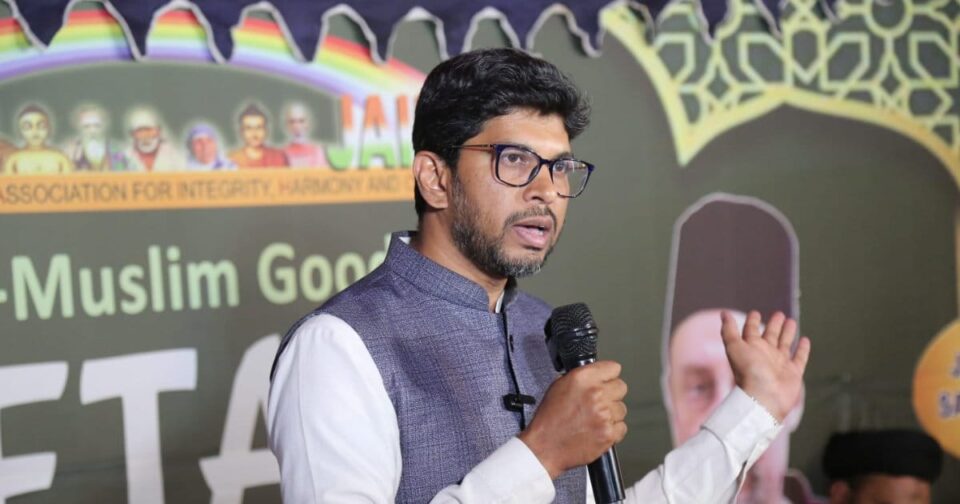
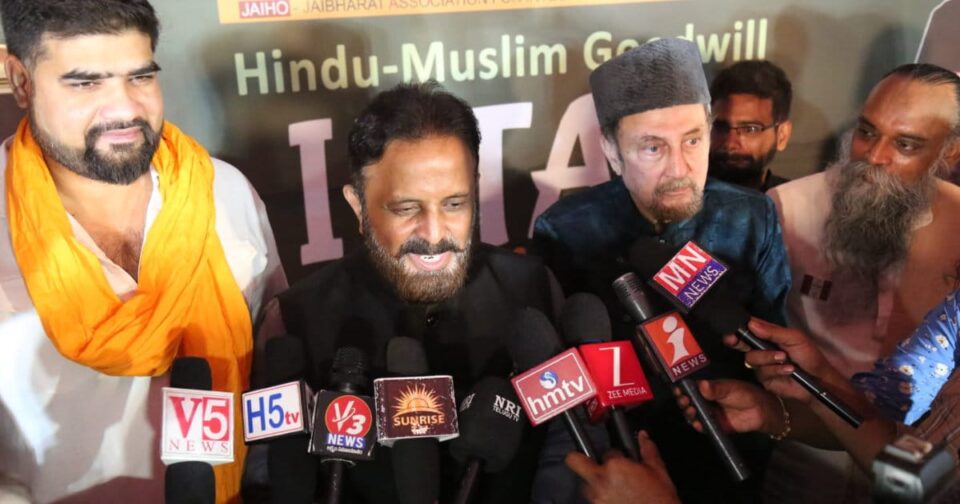
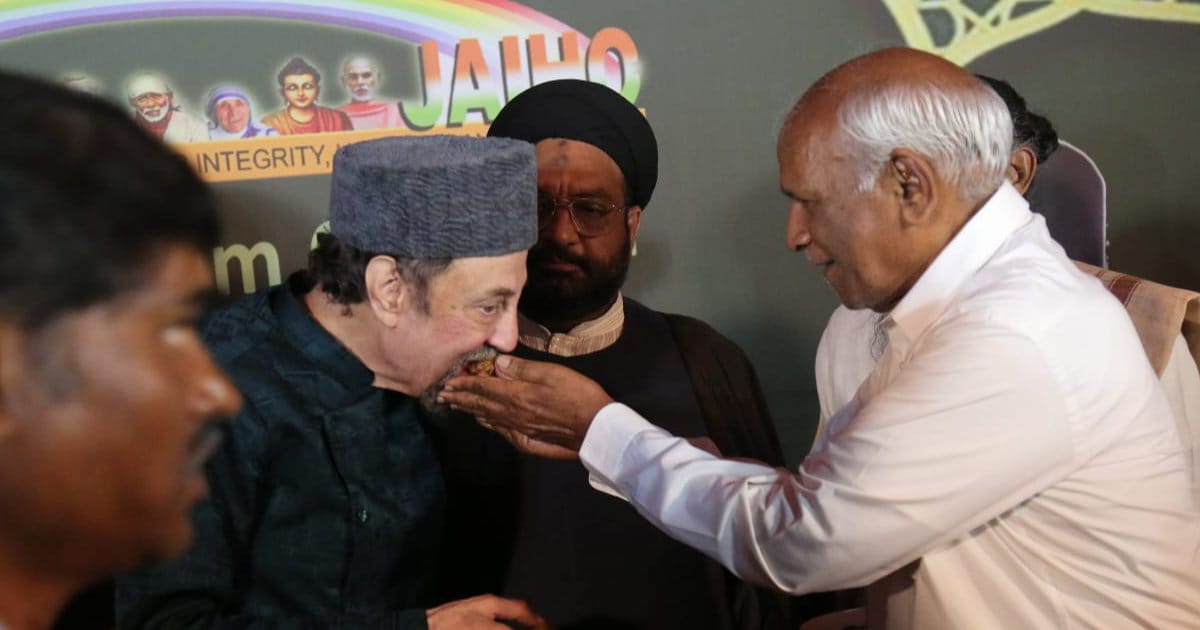
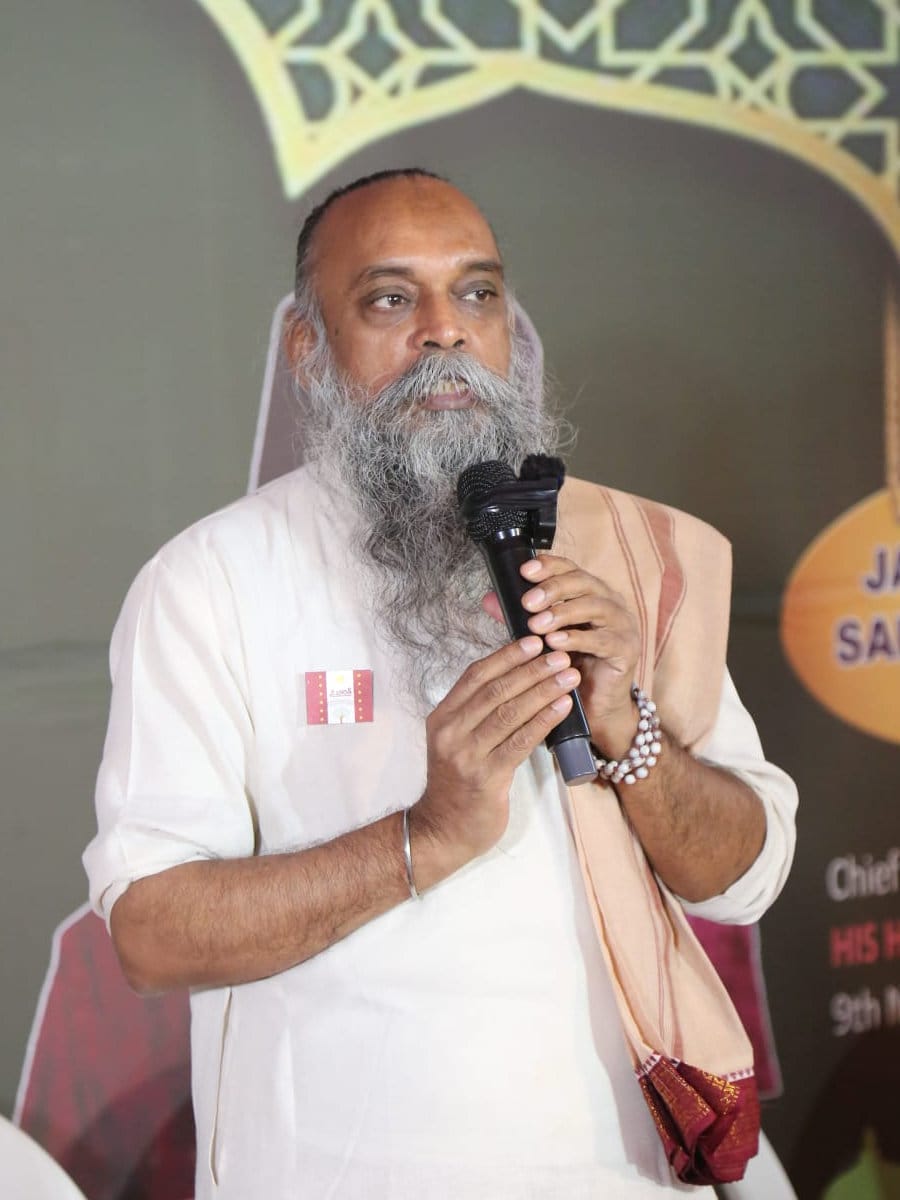
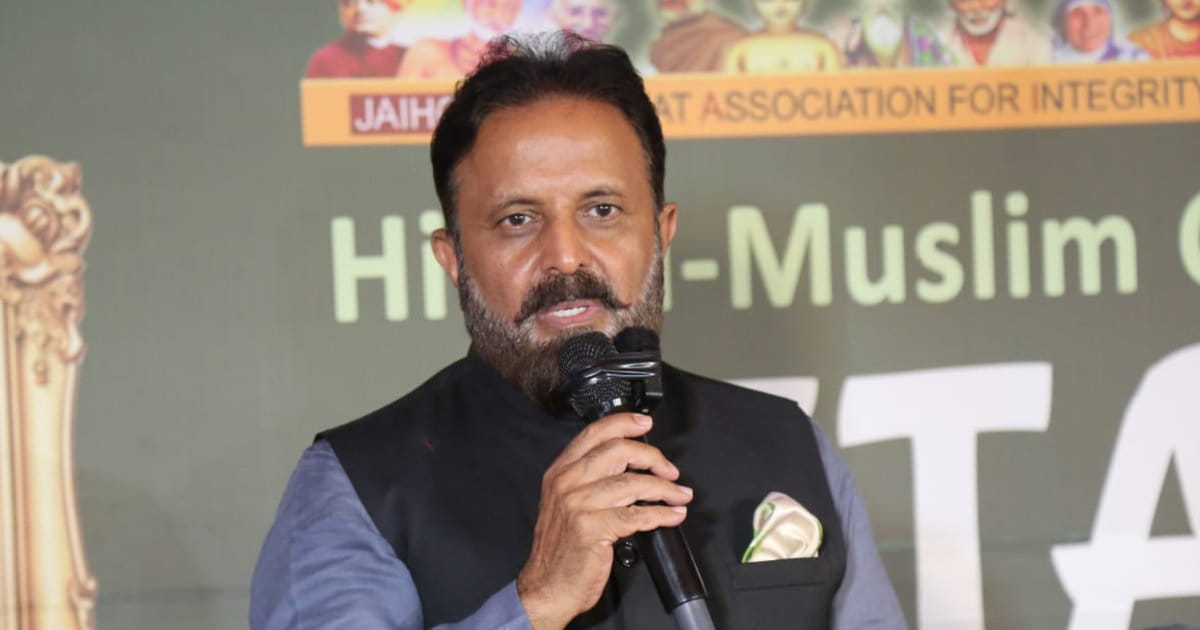
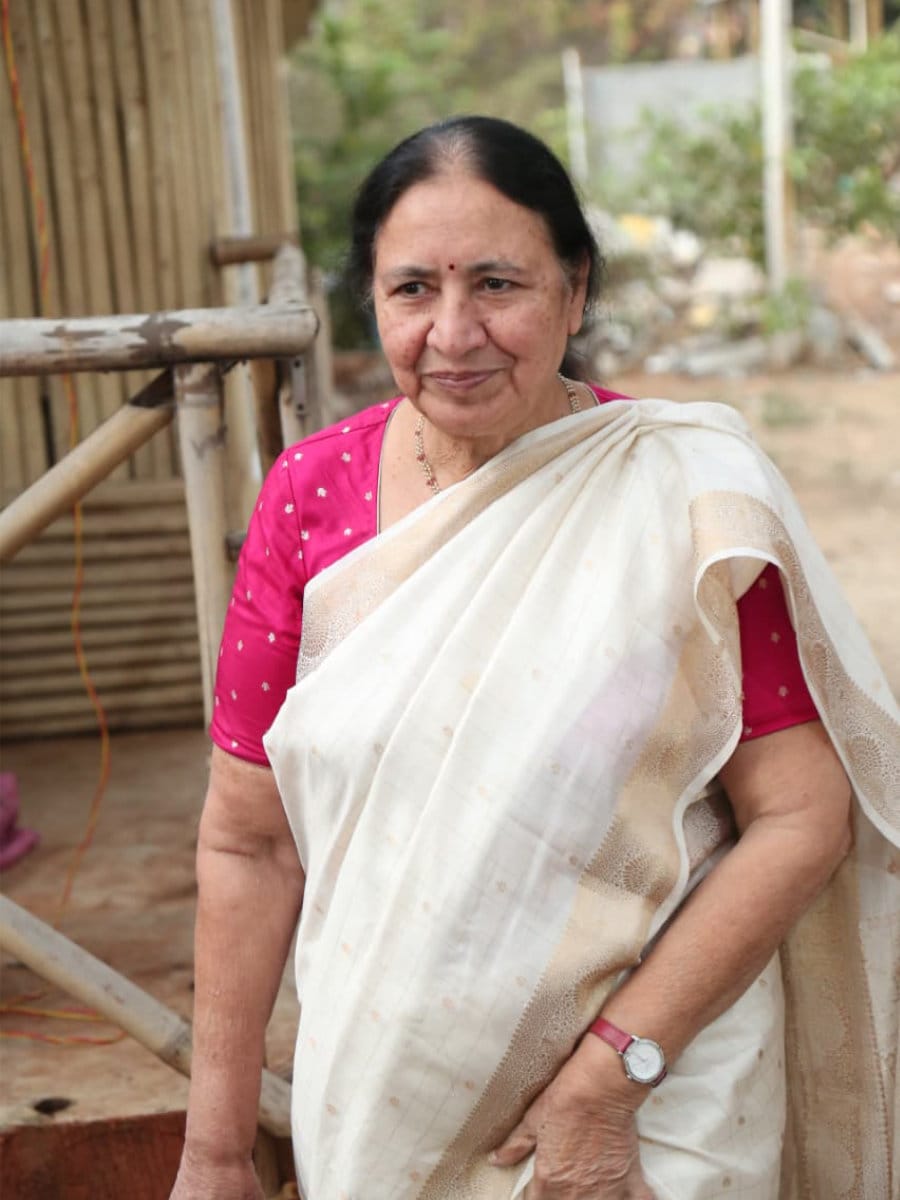
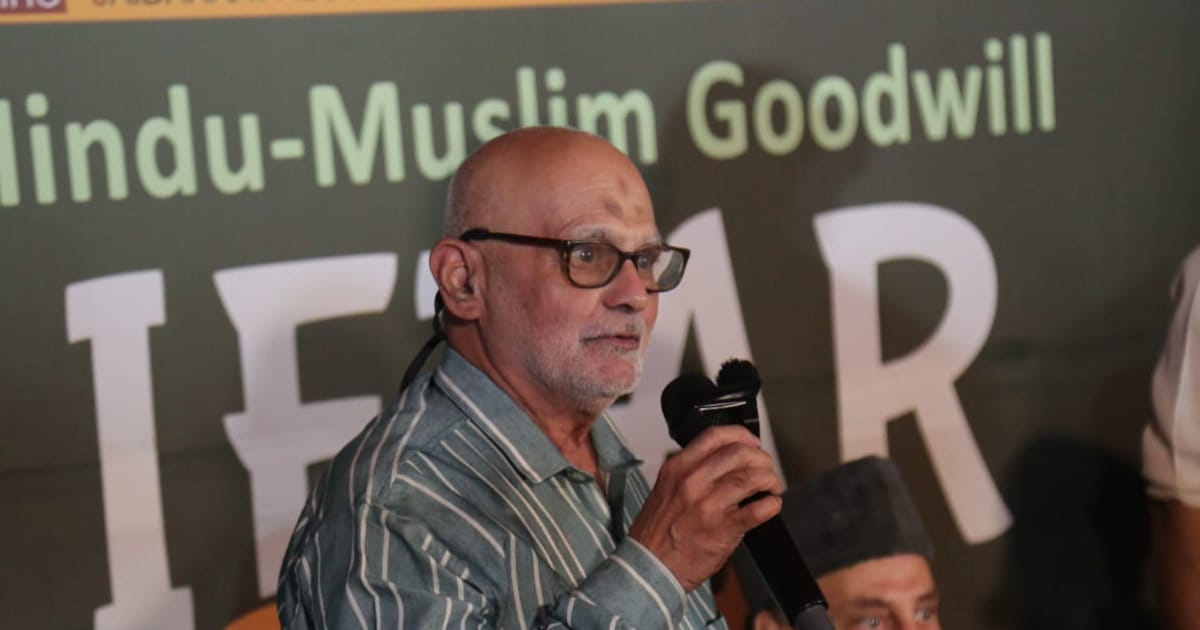
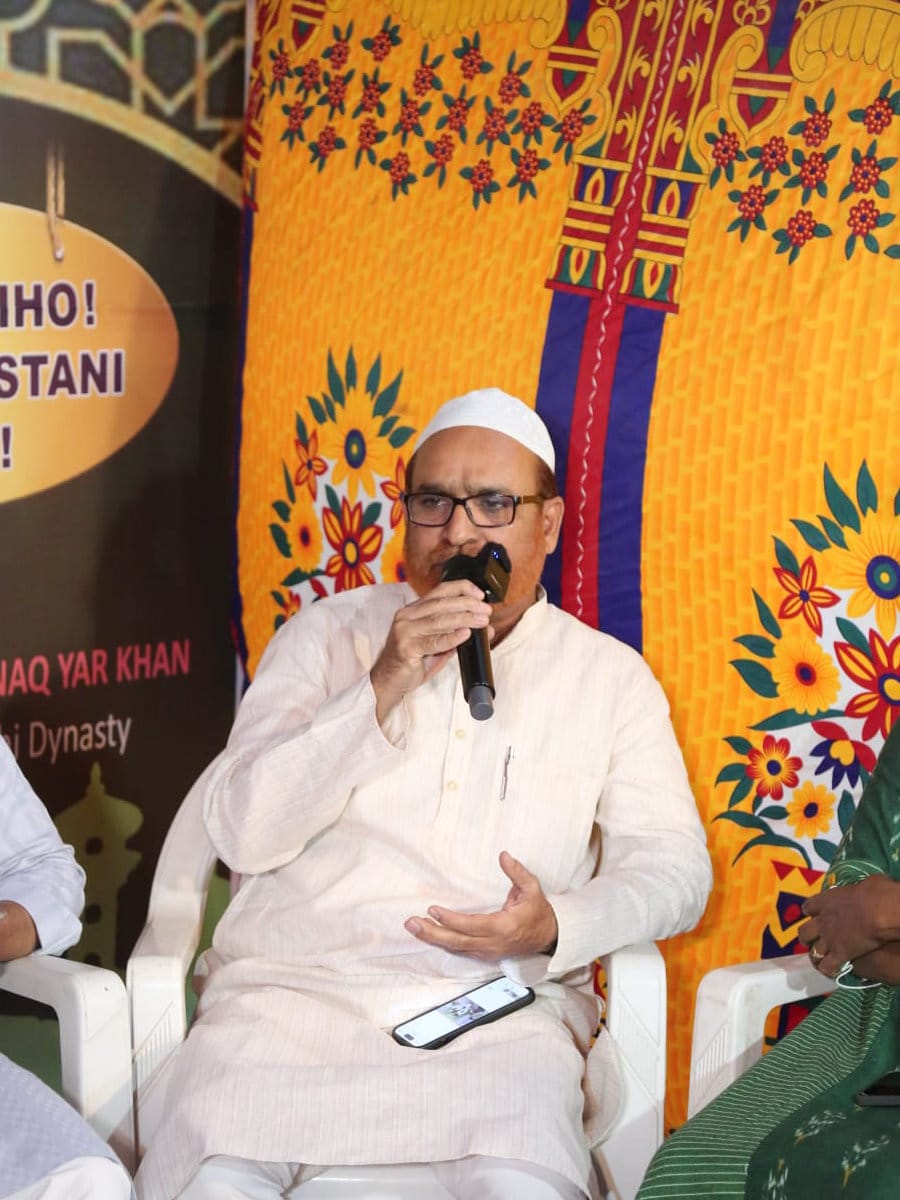
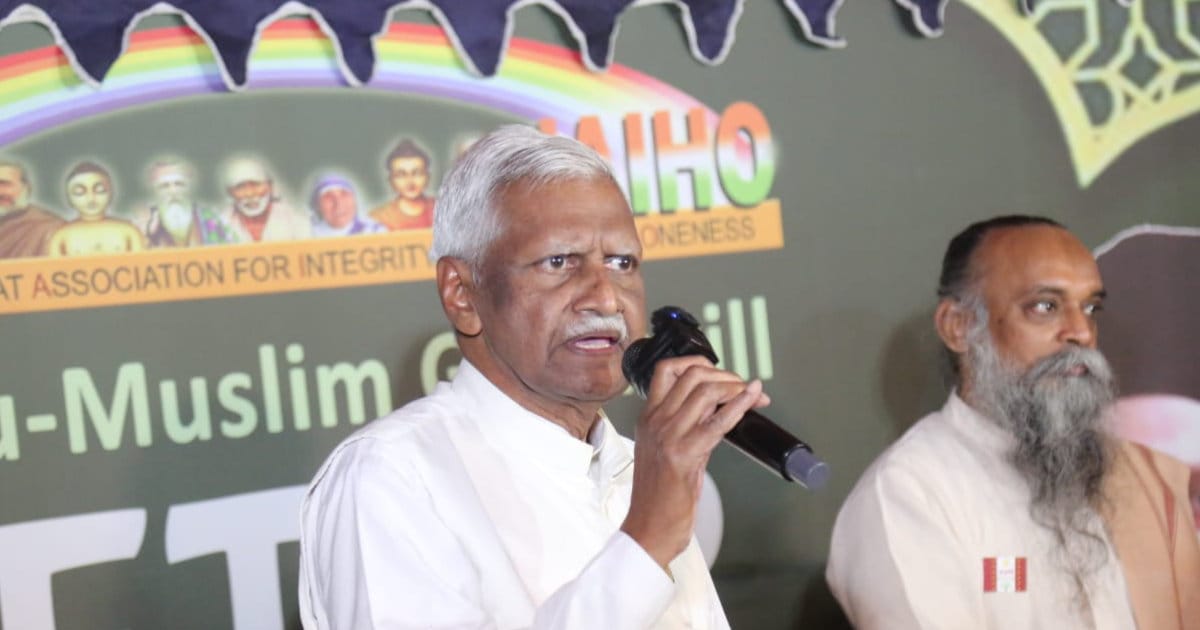
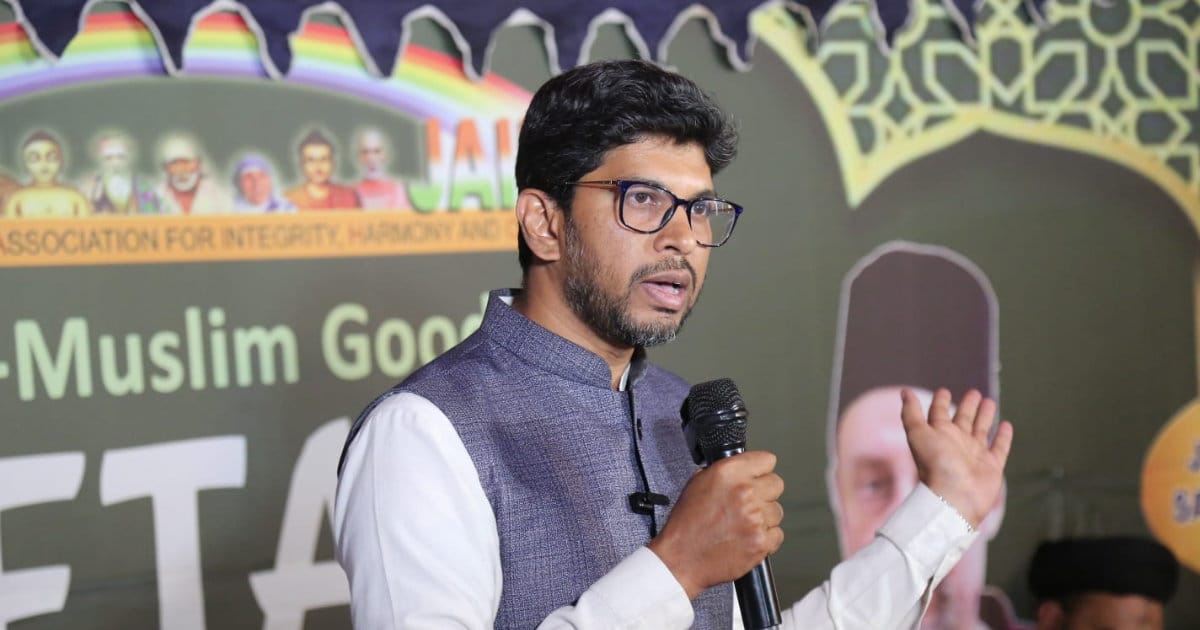






V. Ramanamurthy, as JAIHO’s founder and host, presided over an evening that was, by design, as much about presence as about speech. The act of attending – of choosing to be in a room with people across the lines of religious difference – was itself the primary statement that the gathering made. The programme included conversation, reflection, and the shared act of breaking the Iftar fast together, creating the kind of direct human contact that organisational statements and policy declarations cannot replicate.
Nawab Raunaq Yar Khan – Presence as a Statement of Continuity
Nawab Raunaq Yar Khan’s attendance at the JAIHO Goodwill Iftar carried a significance that extended beyond his personal participation. As Symbolic Custodian of the Asaf Jahi legacy, designated by the Majlis-E-Sahebzadagan Society on March 2, 2023, his presence at such an occasion is a direct expression of the heritage he has been entrusted to represent. That heritage, as its historical record consistently shows, was one in which the rulers of Hyderabad understood their role to include the protection and cultivation of the city’s plural identity.
Speaking on the occasion, Nawab Raunaq Yar Khan reflected on Hyderabad’s long tradition of communal harmony and inclusiveness. He noted that events such as the JAIHO Goodwill Iftar help strengthen the bonds between communities and contribute to upholding the secular legacy that the city has inherited. His remarks were measured and grounded – consistent with the tone of a custodian who understands that the authority of historical legacy lies not in assertion but in example, not in the claiming of inheritance but in the living of it.
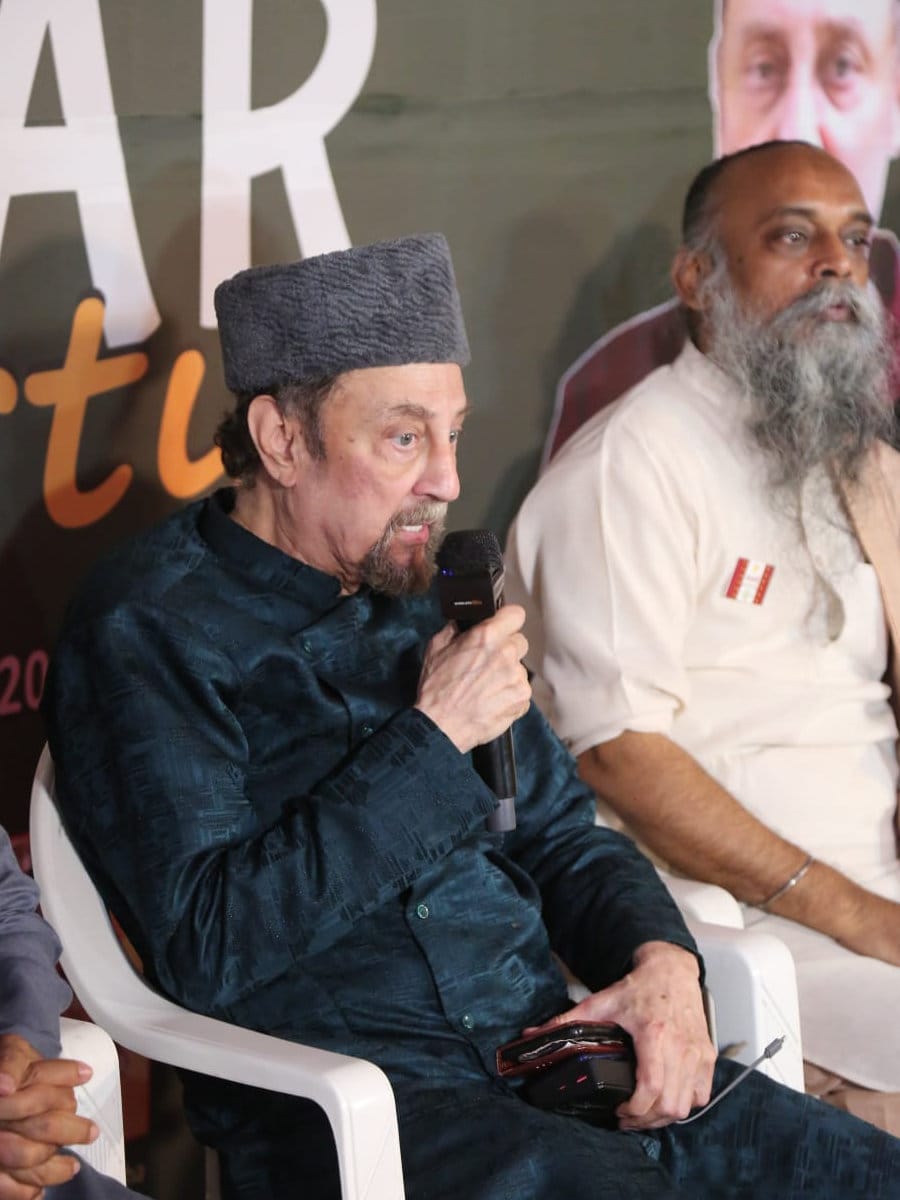
He added that such initiatives do not merely commemorate a tradition of coexistence – they actively sustain it. In a social and political environment where communal relations are subject to pressure from multiple directions, the deliberate act of gathering across religious lines is itself a form of civic responsibility. His presence at the JAIHO Iftar was a recognition of that responsibility, and of the particular role that custodians of historical legacy can play in demonstrating what the present can draw from the past.
Interfaith Dialogue in Contemporary Hyderabad
Hyderabad today is a city of extraordinary vitality and complexity. It is a major centre of technology, commerce, and higher education. It draws talent from across India and from around the world. Its population is religiously and linguistically diverse in ways that continue to shape its character, its cuisine, its architecture, and its social life. The traditions of coexistence and mutual respect that the city developed over centuries have not disappeared – but they require, as they always have, active maintenance.
Initiatives such as the JAIHO Goodwill Iftar contribute to that maintenance in a direct and practical way. They bring together people who hold different beliefs and who live different daily lives and create the conditions for mutual recognition – not as abstract principle, but as personal experience. The person across the table at an Iftar gathering is no longer a representative of a demographic category. They are a neighbour, a fellow citizen, a person whose specific presence makes the gathering what it is. This is the transformation that interfaith occasions make possible, and it is why they matter beyond the immediate moment of their occurrence.
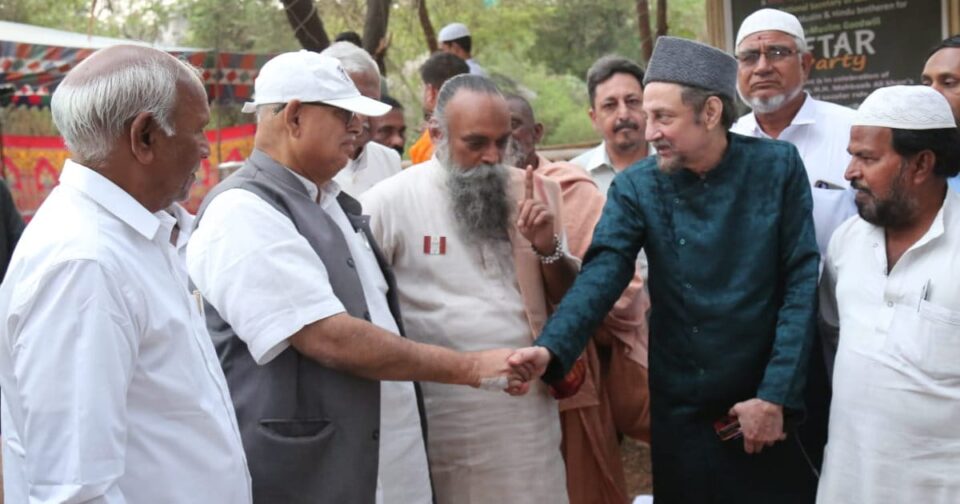
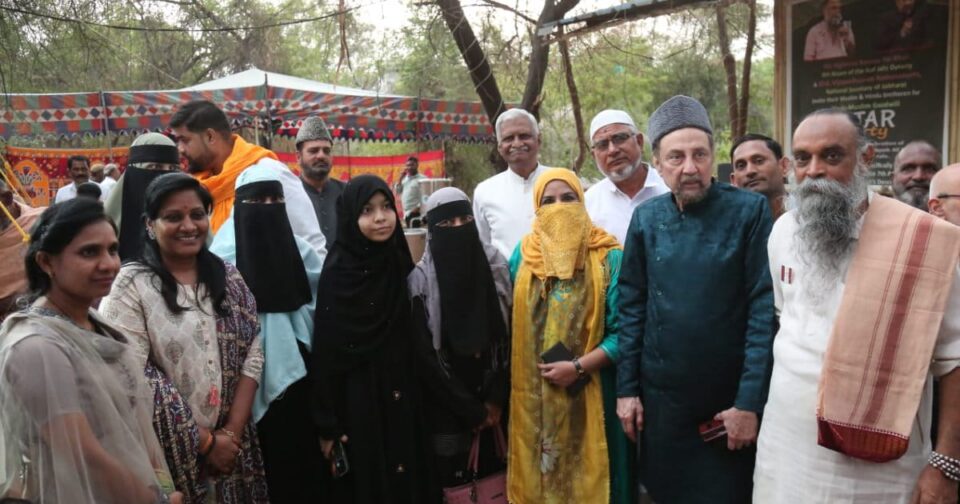
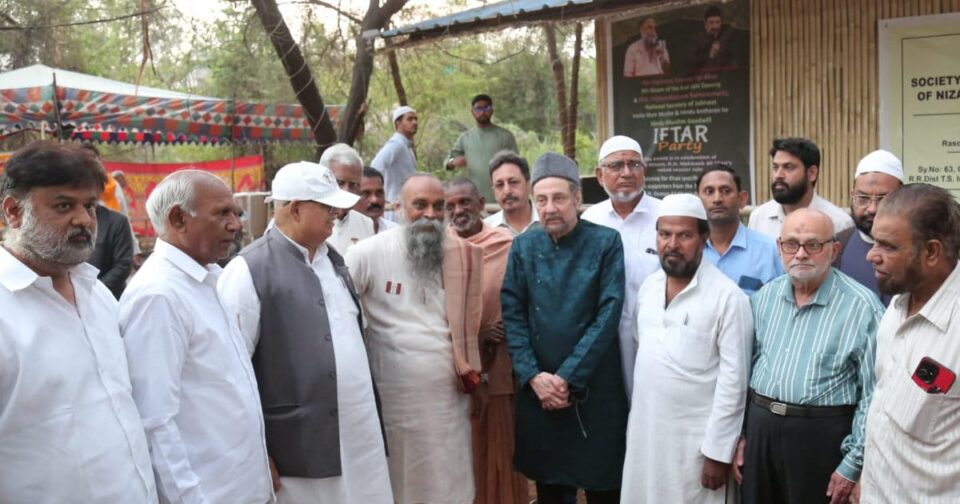
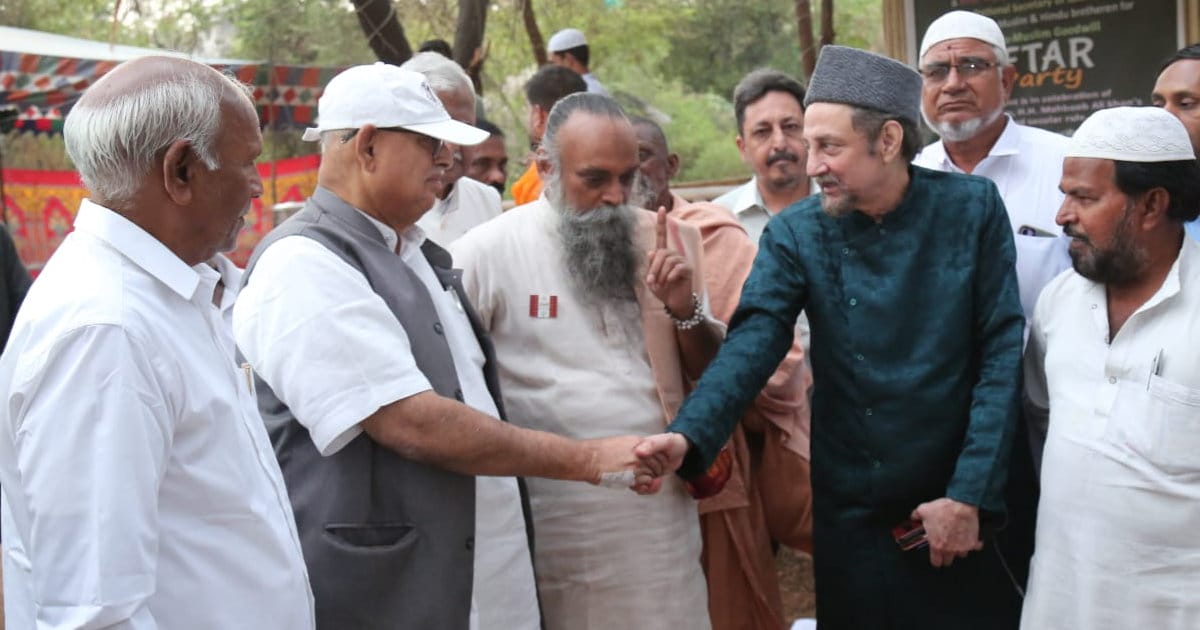
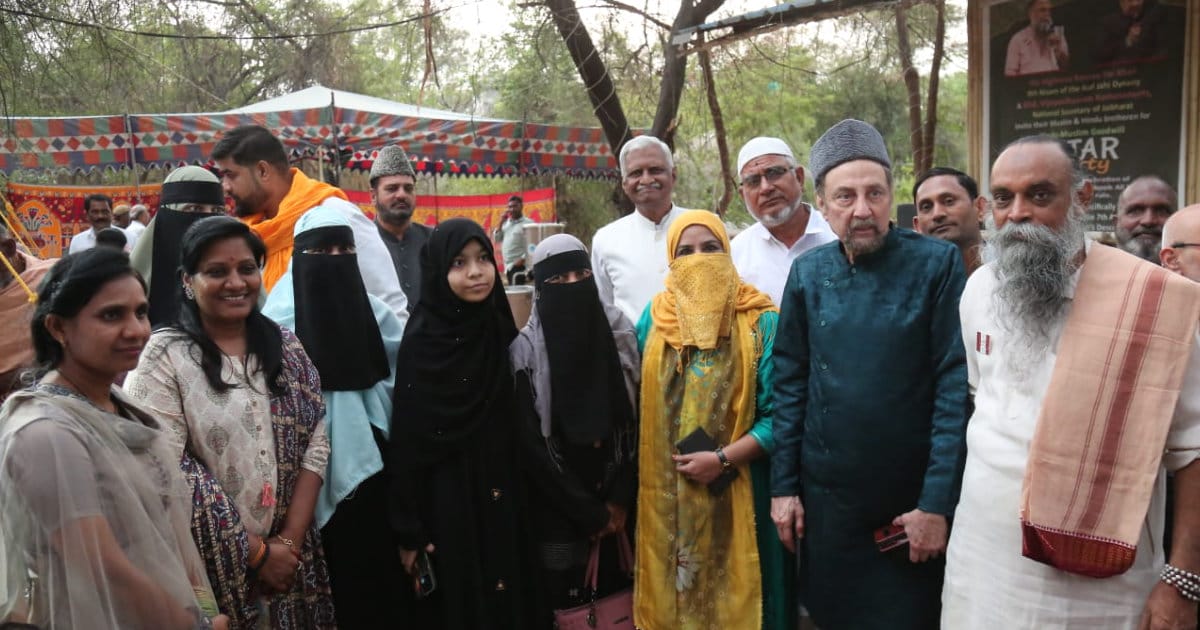
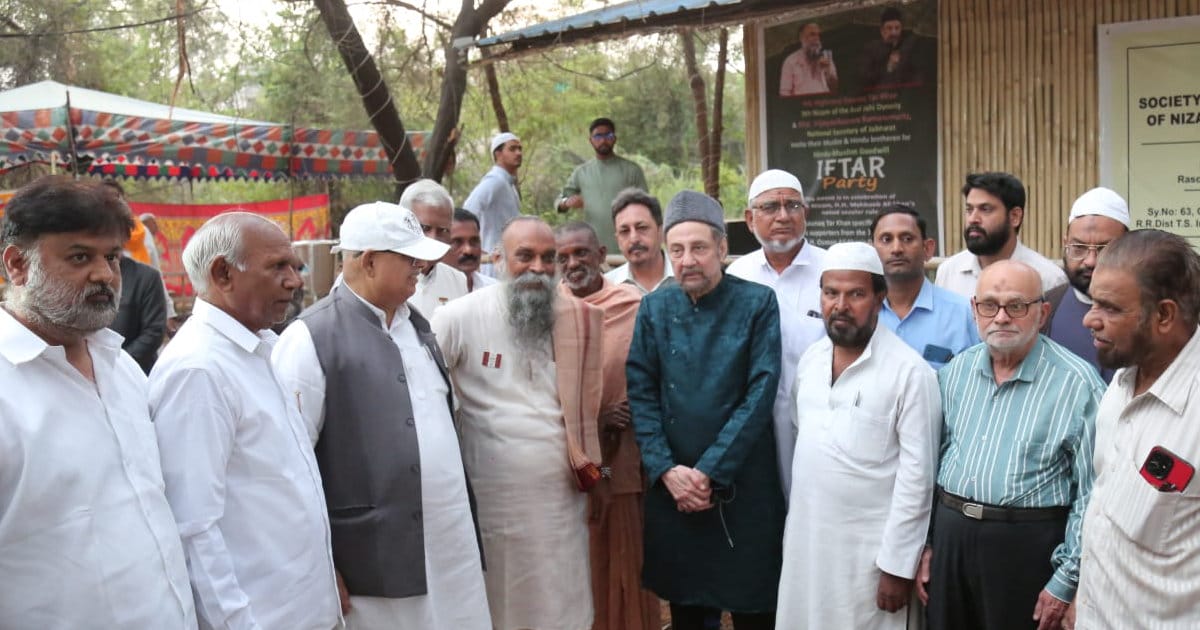
The involvement of community leaders, cultural figures, and representatives of historical institutions in such occasions amplifies their significance. It signals that communal harmony is not a grassroots concern alone – that it has the support and the active participation of those who carry cultural authority and public responsibility. Nawab Raunaq Yar Khan’s participation as Chief Guest at the JAIHO Iftar sends exactly this signal. His presence says, in effect, that the tradition of inclusive civic life which Hyderabad has inherited is one that those connected to its historical institutions continue to honour.
Looking Forward
The evening of March 17 at Raunaq’s Estate was one occasion among many in Hyderabad’s civic calendar – but it was an occasion that carried, in the people it brought together and in the values it expressed, a significance greater than its size. A former Member of Parliament, a civil society founder, a custodian of dynastic heritage, social leaders, and community members gathered in the spirit of goodwill and shared humanity. That gathering was, in its own way, a form of cultural preservation – the preservation not of objects or buildings but of a way of living together that Hyderabad has taken centuries to develop.
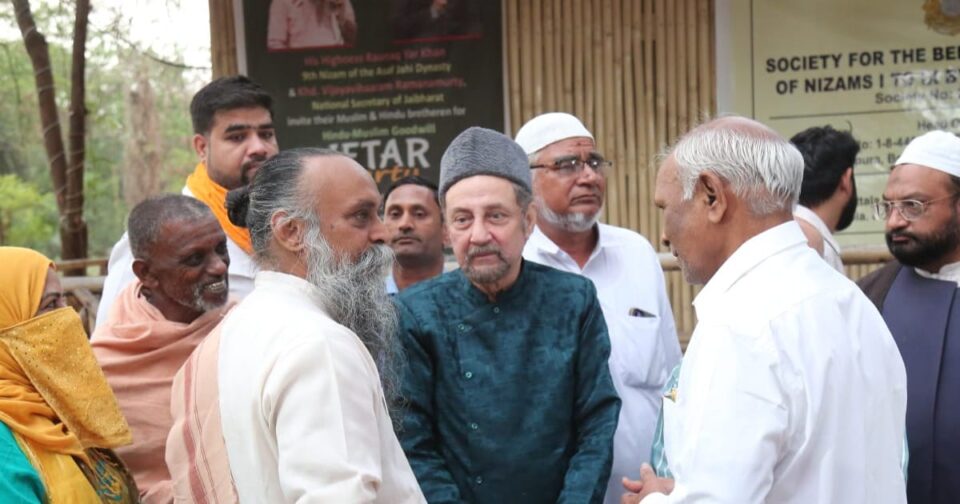
Nawab Raunaq Yar Khan’s participation in this occasion reflects the understanding, expressed consistently in his public activities, that heritage is not merely a matter of the past. It is a resource for the present – a source of examples, precedents, and values that contemporary life can draw upon when it faces challenges that history has already tested. The tradition of communal harmony that Hyderabad embodies is one such resource. The JAIHO Goodwill Iftar is one of the occasions through which that resource is kept alive and made available to the city that continues to need it.
In attending, in speaking, and in lending the cultural weight of the Asaf Jahi legacy to an evening dedicated to unity and brotherhood, Nawab Raunaq Yar Khan acted in the spirit of the custodianship he holds – not claiming ownership of a tradition, but contributing to its continuity, one occasion at a time.