Amid the backdrop of tensions involving Iran, Israel and the United States, residents of Hyderabad are recalling the city’s centuries-old links with Iran.
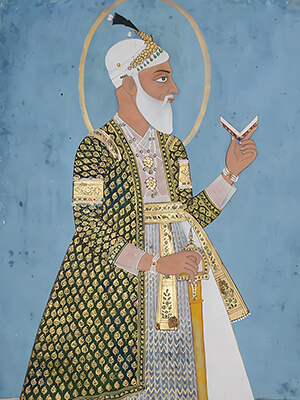
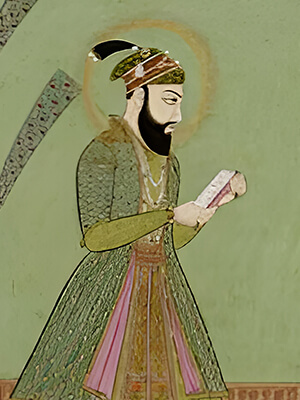
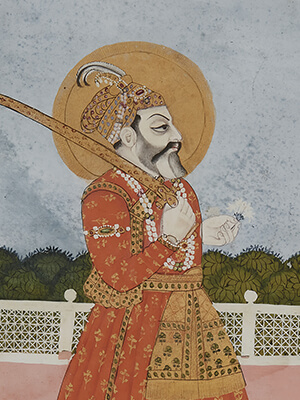
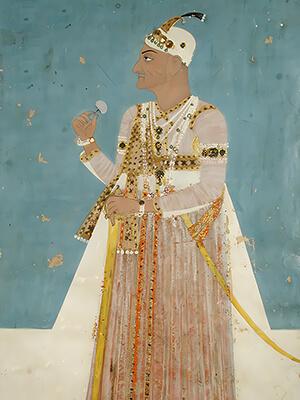
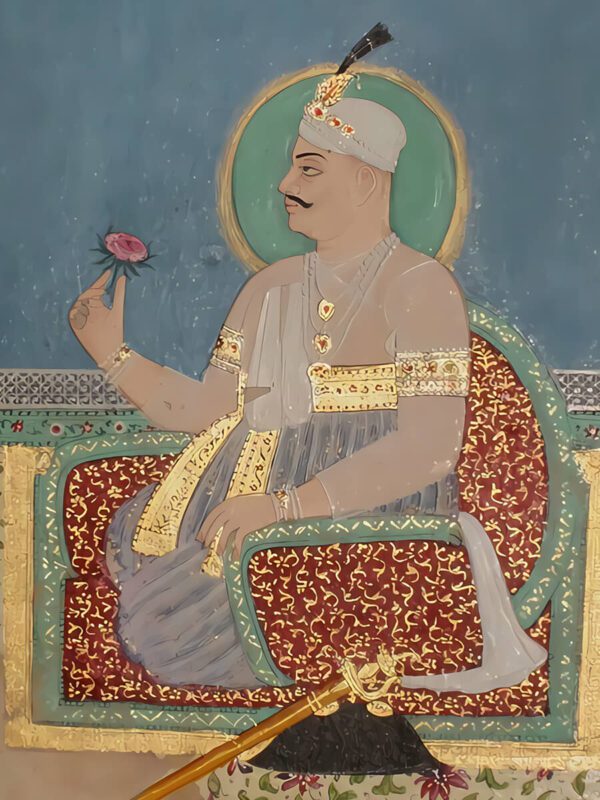
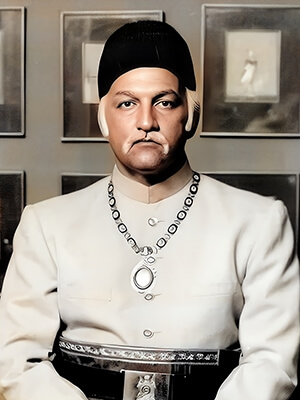
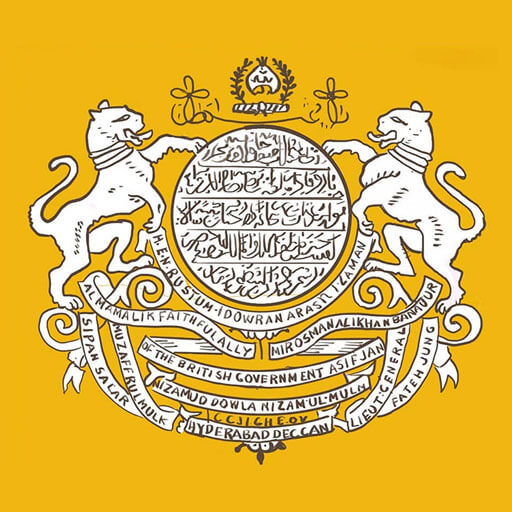
The architect of Hyderabad, Mir Momin Astarabadi, hailed from Iran, then known as Persia. The Qutb Shahi dynasty, who built the city, and the Asaf Jahi dynasty, who later ruled it, were also of Iranian origin.
Mir Momin Astarabadi, who served as prime minister in the court of Muhammad Quli Qutb Shah, laid out the city in 1591. He gave shape to his ruler’s vision with gardens and monuments that defined its character.
Persian imprint visible in monuments, language
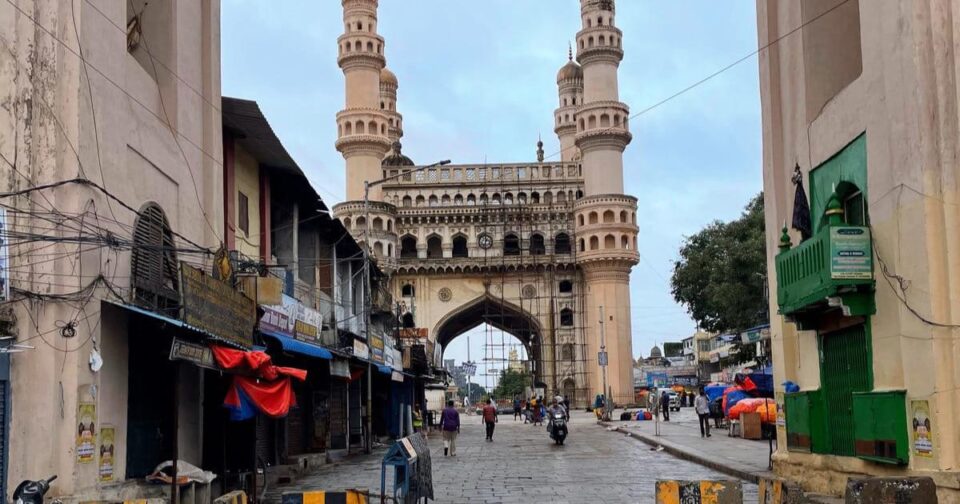
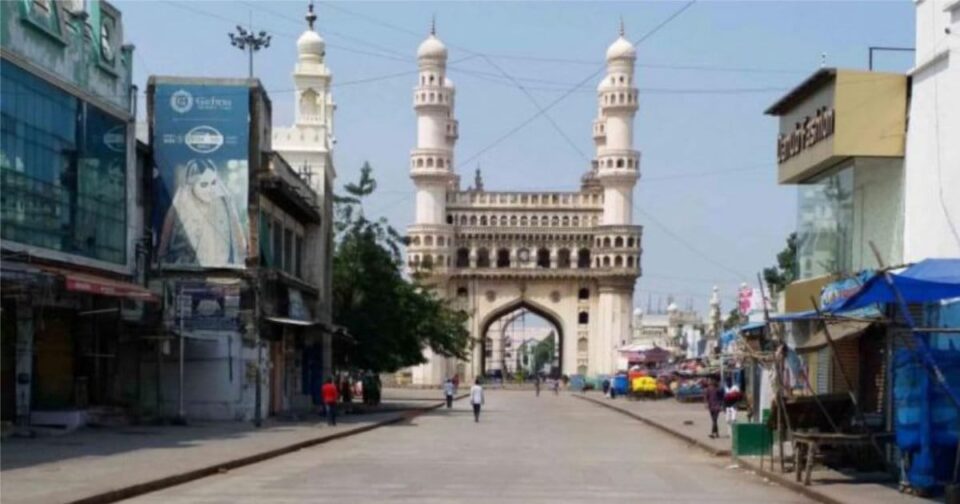
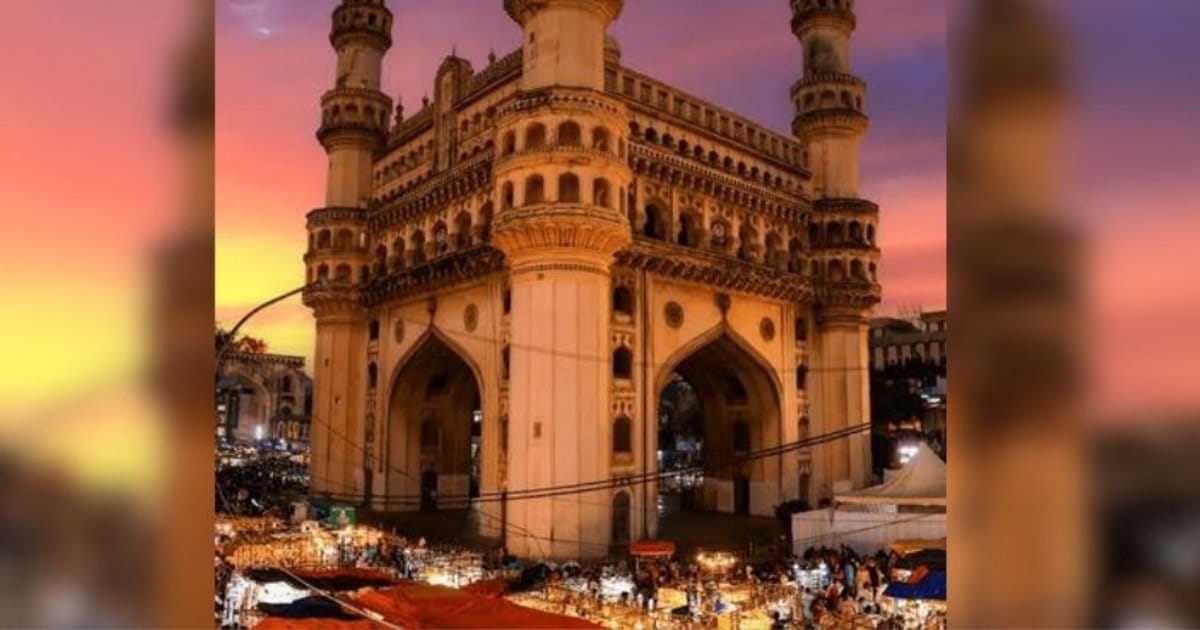
Several heritage structures in and around Golconda, including the Charminar and the Qutb Shahi Tombs, reflect Persian architectural style.
Historians say words such as ‘darwaza’, ‘kharch’, ‘mehfil’ and ‘dawat’ entered Urdu and Telugu from Persian, enriching local languages. Muharram continues to serve as a cultural bridge between Iran and Hyderabad.
Popular food items such as biryani, Irani chai and haleem trace their roots to Persian influence. Irani cafés and biryani hotels were established by Iranian migrants who arrived in the early 20th century.
Trade and cultural links continue
Trade between the two regions continues. Pharmaceuticals are exported from Hyderabad, while carpets and dry fruits are imported from Iran.
The city bears markers of this relationship. The old city has a locality known as Irani Galli. An Iranian consulate operates in Hyderabad. A road in Banjara Hills, where the consulate is located, is named after Iran’s first Supreme Leader, Ruhollah Khomeini.
More than 100 Persian historical manuscripts are preserved in city archives.
In 2018, then Iranian President Hassan Rouhani visited the Salar Jung Museum, the Qutb Shahi Tombs and the Mecca Masjid during his trip to India.
On Sunday, a rally was held in the old city against recent attacks by the United States and Israel on Iran.