Paradise, Sarvi, Café Bahar, Bavarchi, Nimrah Café, and Shah Ghouse are some of the most visited restaurants and cafés in the twin cities of Hyderabad and Secunderabad. They share two things in common: remarkably popular food and having been started by Iranian families. Iranians brought biryani, haleem, Irani chai, bun maska, and Osmania biscuits with them. These ubiquitous dishes testify to the deep and enduring Iranian influence on Hyderabadi cuisine. Beyond the big names, dozens of Irani cafés once dotted the city, becoming informal meeting spaces for generations of Hyderabadis. They were not merely eateries but social institutions.
THE WEEK spoke to Dr Mohammed Saifullah and Dr Dyavanapalli Satyanarayana, two city-based historians, about the historical and cultural bonds of Hyderabad city with once Persia and today’s Iran.
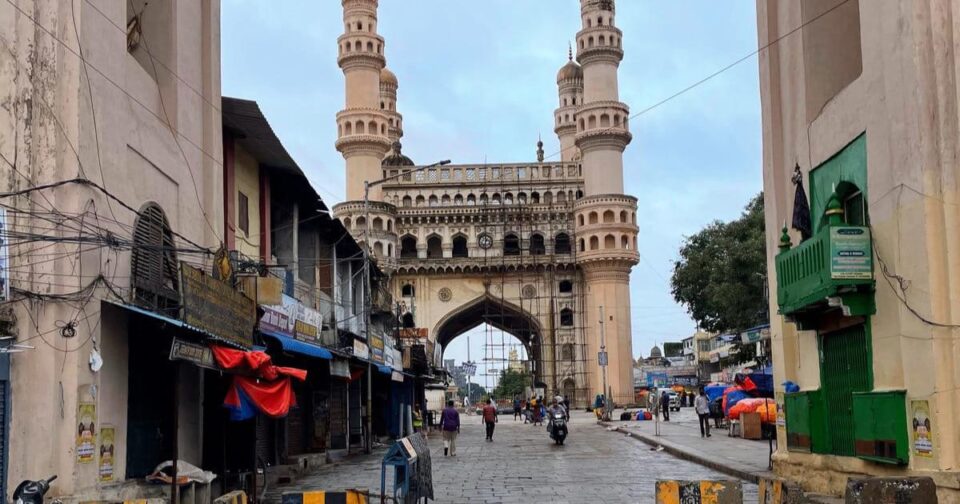
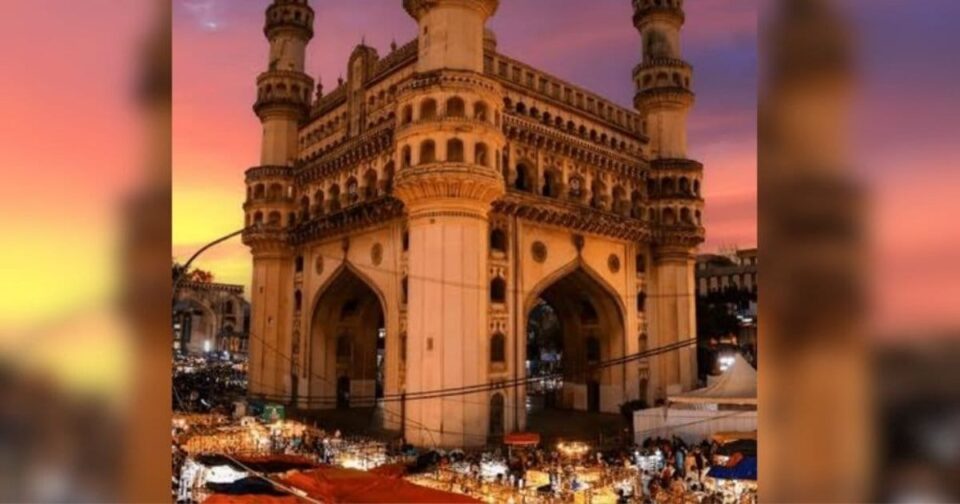
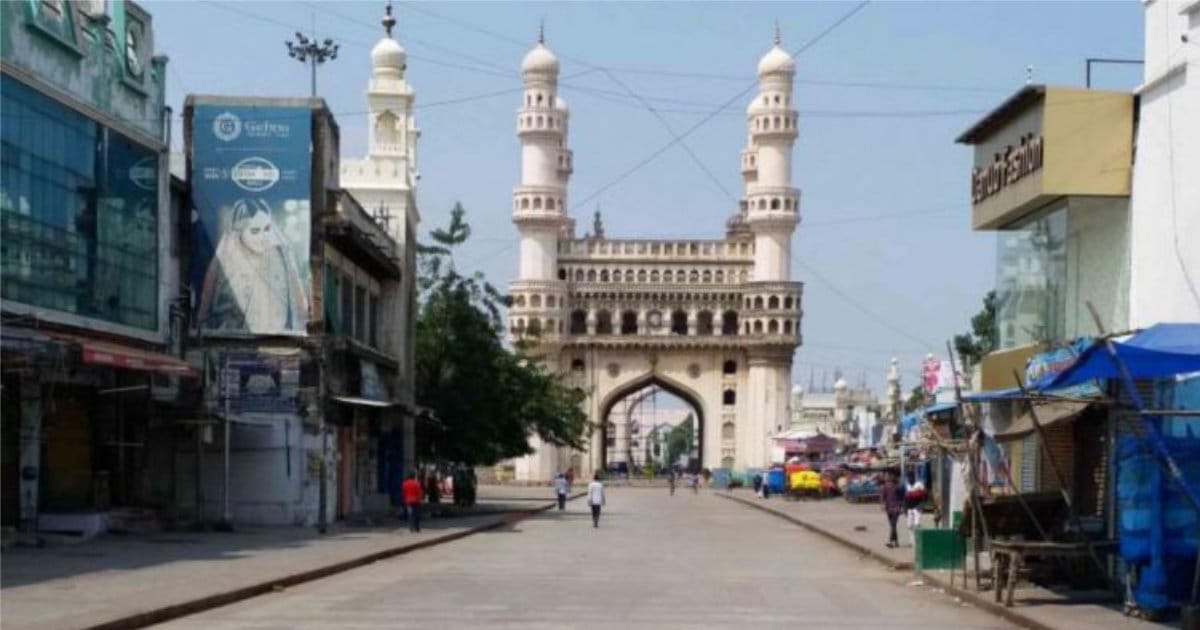
Hyderabad was founded in 1951 by Muhammad Quli Qutb Shah, who belonged to the Qara Qoyunlu tribe of Persian origin, said Satyanarayana, a city-based historian. The Qutb Shahi kings encouraged the migration of scholars and experts from Persia. The layout of Hyderabad city was prepared by Mir Momin Astarabadi, an Iranian scholar and architect. Inspired partly by Isfahan, the design reflected Persian urban planning ideals—wide boulevards, gardens, and the symmetry embodied in the Charminar. “All the major Hyderabad landmarks, such as Charminar, Falaknuma Palace, and Chowmahalla Palace, were built in the Persian-influenced Indo-Saracenic style,” he said.
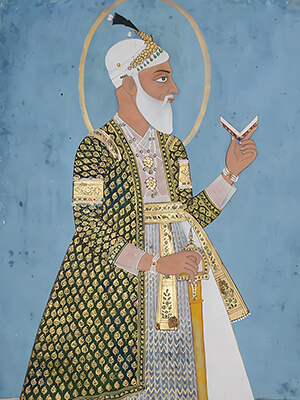
“The Persian cultural and artistic sensibilities embedded in the city’s earliest vision structured Hyderabad’s aesthetic and social world from its very beginning. The Qutb Shahi dynasty, which ruled between 1518 and 1687, attracted several scholars and experts from Persia,” said Saifullah.
Another significant wave of immigration arrived in the late 19th and early 20th centuries. Political upheavals and sectarian tensions in Iran prompted many ordinary Iranians from regions such as Yazd and Kerman to migrate to India. “A lot of common Iranians fled from regions like Yazd and Kerman to India to try their luck. Many arrived in Bombay and Pune and began serving tea to British soldiers. Some later came to Hyderabad. They adapted their traditional tea and mixed it with milk, pioneering what became the famous Irani café culture,” he said.
In Hyderabad, the Irani café evolved into a cultural landmark. A cup of thick, milky Irani chai served on marble-topped tables, accompanied by bun maska, samosas, or biscuits, became a daily ritual. These cafés were egalitarian spaces, offering affordable food and unlimited time to anyone who walked in. They helped shape what many call the city’s informal culture—relaxed, conversational, and resistant to rigid social hierarchies. The way Iranians converted Hyderabadis to their tea culture was interesting, said Satyanarayana. “They would serve the Iranian tea every morning for free; within a year, it became a must for the city.”
Over time, this café tradition spilled into Hyderabad’s biryani culture. Although biryani is a local adaptation of broader Persian pilaf traditions, it has become a distinctly Hyderabadi signature. Iranian café owners and restaurateurs helped popularise versions of biryani and other Persian-linked dishes by blending local rice and spices with Persian flavour profiles. Café Bahar, founded by an Iranian immigrant family, grew from a modest café into a major culinary landmark. In the past two decades, haleem has risen to unprecedented prominence. During Ramzan, it becomes the most sought-after dish in the city, drawing crowds across communities. Hyderabad now exports haleem to Gulf countries, turning what was once seasonal comfort food into a global product.
Persian influence extends beyond food. Languages such as Urdu and even Telugu absorbed Persian vocabulary—bazaar, darwaza, and bagh among them. Sufism, architecture, attire, and music also carry visible Persian echoes. “Until 1883, Persian was the court language in Hyderabad, as in many other major Indian centres,” Saifullah noted. Only later did Urdu replace it in official use.
This Iranian connection is not confined to history. Diplomatic and cultural ties continue through festivals, trade, and the presence of the Iranian consulate in Banjara Hills. Some families of Iranian origin in Hyderabad maintain strong cultural links with their ancestral homeland, preserving language, cuisine, and traditions across generations.
The US–Israel war on Iran resonated in Hyderabad, with people taking to the streets to protest the killing of Iran’s supreme leader. Protests in parts of the Old City prompted the Telangana government to heighten security near the US and Iranian diplomatic missions. People expressed feelings ranging from confusion to condemnation.
“Before 1947, undivided India shared a border with Iran. If we look closely, no other neighbouring civilisation has impacted Indian life so profoundly—through Sufism, architecture, food, and language. Hyderabad still preserves much of that civilisational treasure,” Saifullah said.