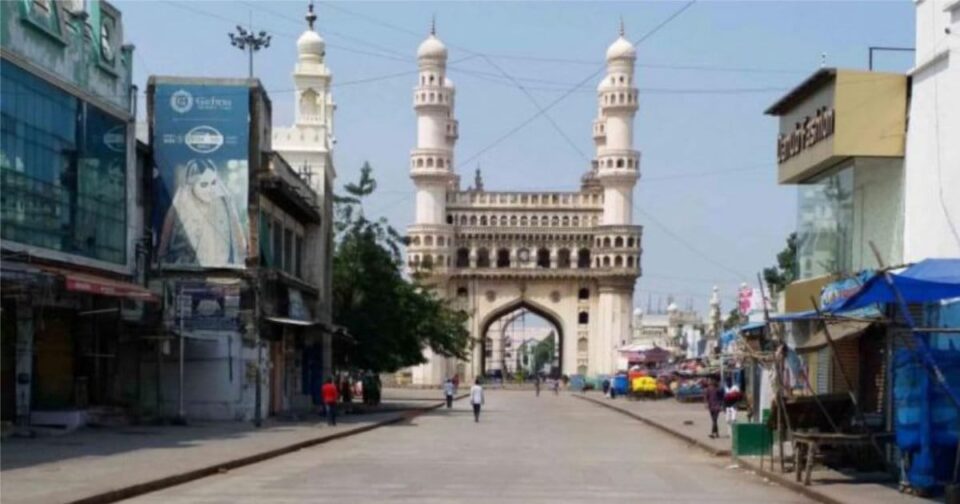
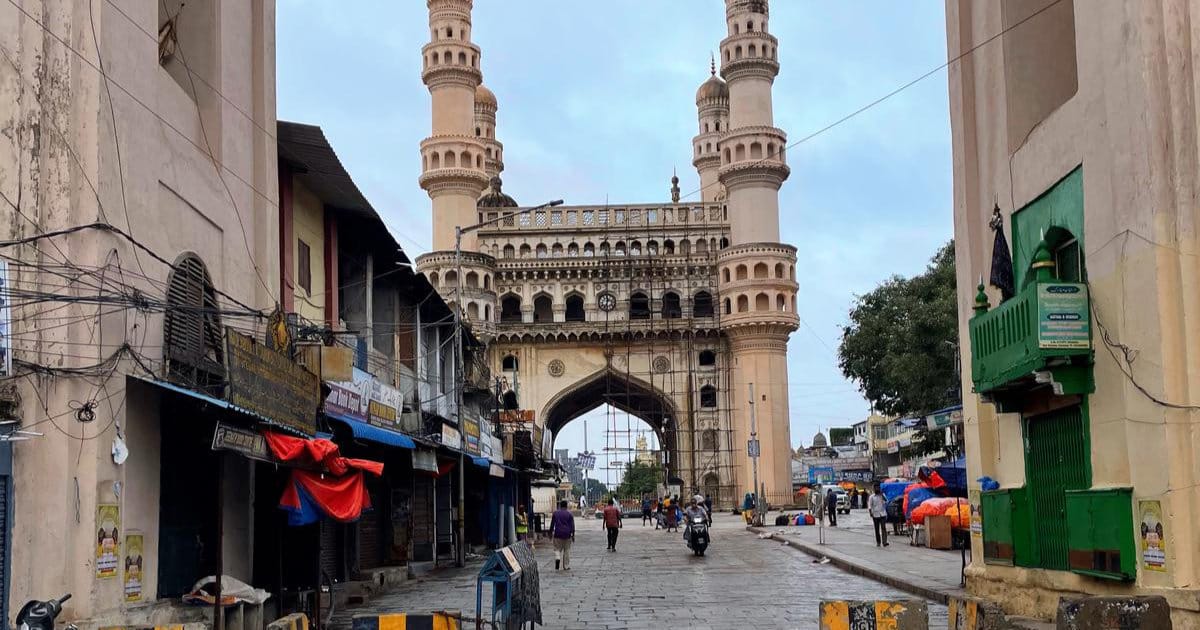
On March 1, as the news of the assassination of Ayatollah Ali Hosseini Khamenei spread in the Darulshifa area of Hyderabad, an impromptu gathering of people assembled within hours, wailing and expressing grief for the departed leader. “He was our rahbar, our spiritual leader, and that’s why so many people are sad,” said one of the mourners.
Beyond the individual grief, the location of the protest meeting, beginning at the dargah of Ibne Khatoon to its final convergence point near Darulshifa harked back to the time when Iran and India had cultural and social ties that appeared inseparable.
“The Indian and Iranian civilisations resemble each other. Hinduism and Iranians have the same Aryan roots. The political turmoil before the 16th century, before the Safavid-era led to the migration of a lot of Iranians who fled to Europe and to India,” says Mubashir Ali Khan.
Ibne Khatoon, Mir Momin, Reza Ali Khan, as well as the Qutb Shahi rulers traced their lineage to Iran. The men and women not only reached India and the Deccan plateau but changed the geo-political equation as the language, culture, social mores and food habits were transformed over a few hundred years. This intermingling of people created a bond that persists to this day.
While the Irani cafes are considered landmarks, they were also hubs for conversations and politics. Before the Islamic revolution, the two-in-ones played speeches of Ayatollah Khomeini calling for a change in regime there. Now, the Ibadat khana near Darulshifa has large posters of the Iranian religious leaders.
“One of the largest posters in Hyderabad used to be at the Tehran Cafe, near the Secretariat. It created an aura about the man and nobody thought it was out of place,” says Venkatesh Goteti, a techie who spent many afternoons at the cafe in the 80s.
While this flow of ideas may appear one way, it wasn’t. One of the oldest masjids in the world is in the Iranian town of Shushtar. The Shushtari Jameh Masjid completed sometime in 868 AD has the minbar (pulpit) crafted out of Indian ebony or as it is called in India: Sheesham. The wood was taken there by traders, sure about the strength and longevity of Indian wood.
One of the most well known paintings of the Safawid ruler Shah Abbas is of him having lunch with Khairat Khan, who travelled to the Persian capital as a diplomat of the Golconda ruler. “The painting has been replicated by multiple people and you can see the envoy from Hyderabad wearing angrakha while the Persian ruler is wearing a jama,” says Mubashir Ali Khan, tracing the connections between the two nations. Khairat Khan was representing both the Golconda kingdom as well as Shahjahan’s Mughal empire.
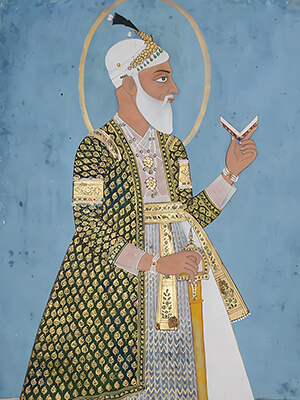
One of the legendary prime ministers of Asaf Jahi era, Mir Alam or Mir Abul Qasim, traced his lineage to Shushtar as his father Syed Reza hailed from the place. Mir Alam left behind two landmarks, the Mir Alam Mandi and the Mir Alam tank near Mir Mahmood ki Pahadi.
The ties that bind both the nations are visible more than ever during the 10-day mourning period of Muharram where countless majlis echo with marsiyas of the battle of Karbala.