A Convergence of Faith and Heritage at Jubilee Hills
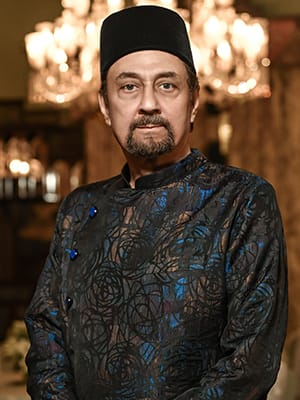
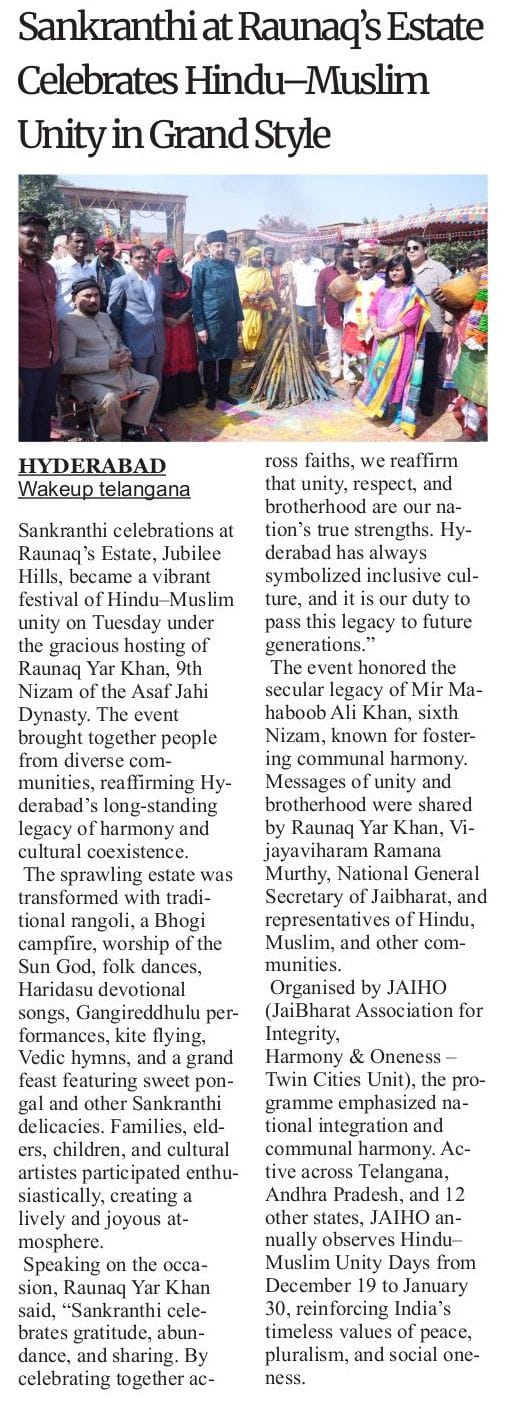
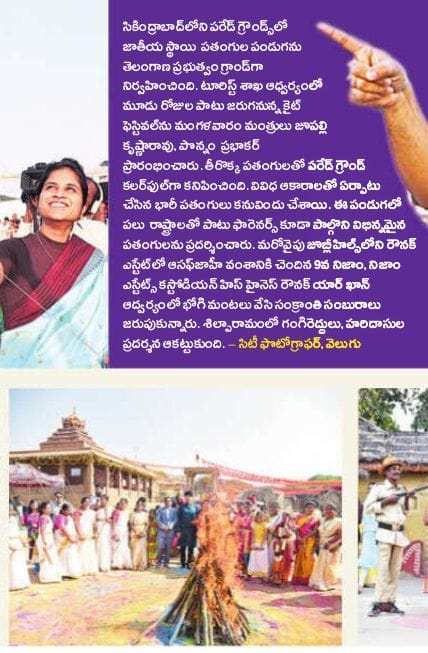
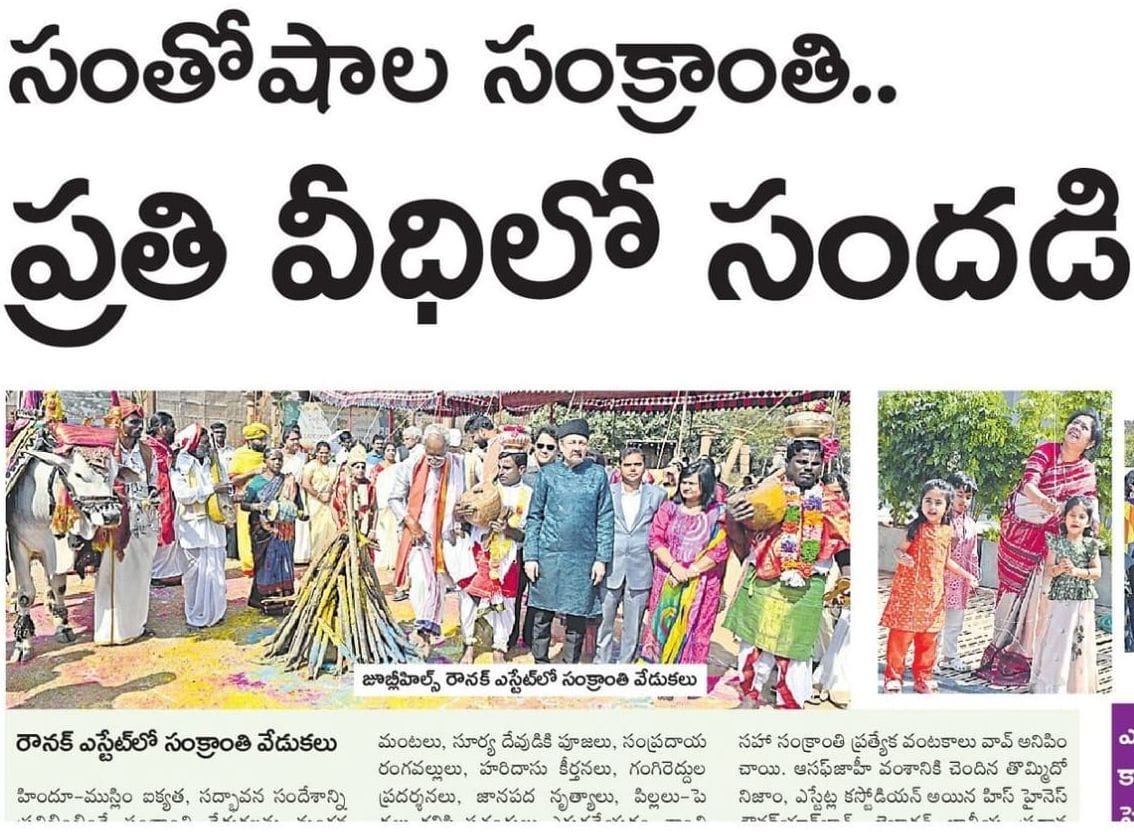
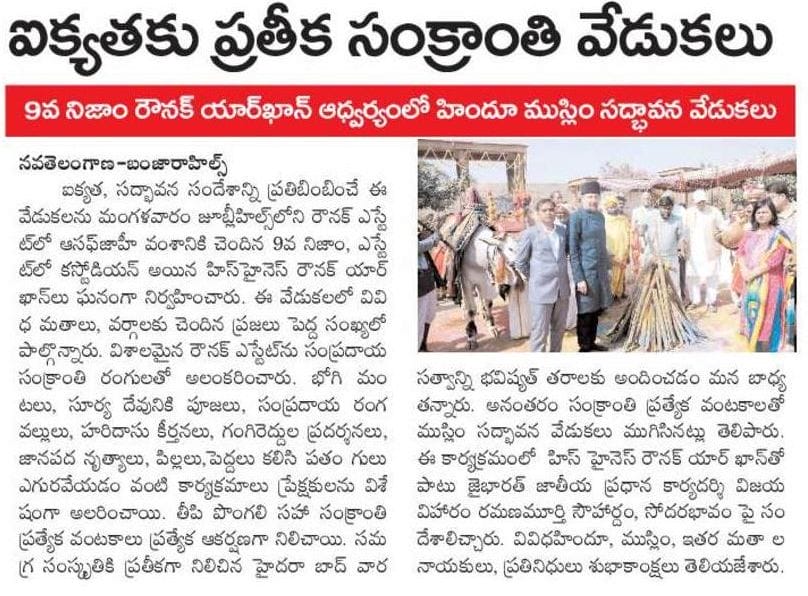
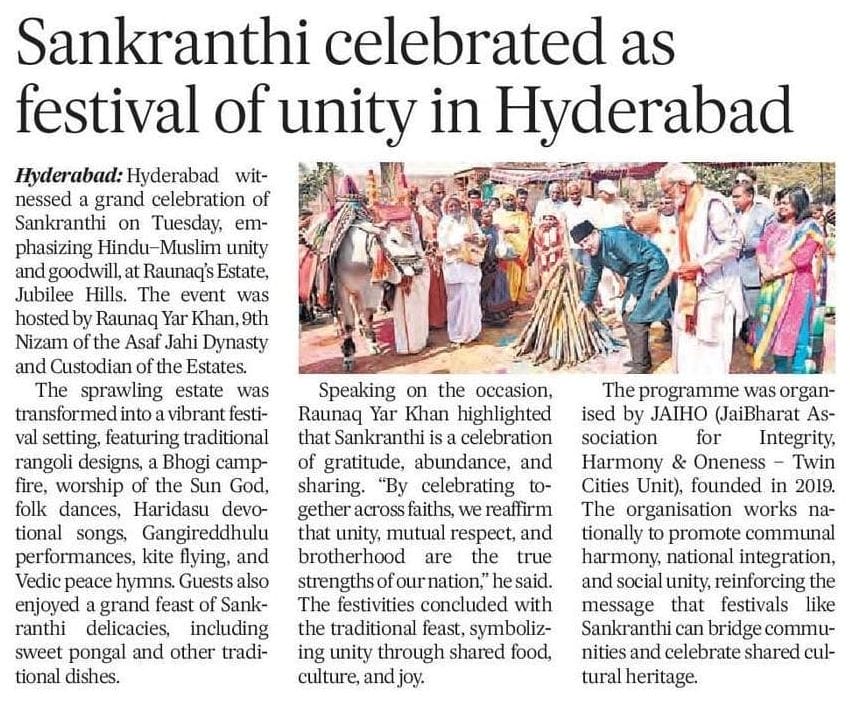
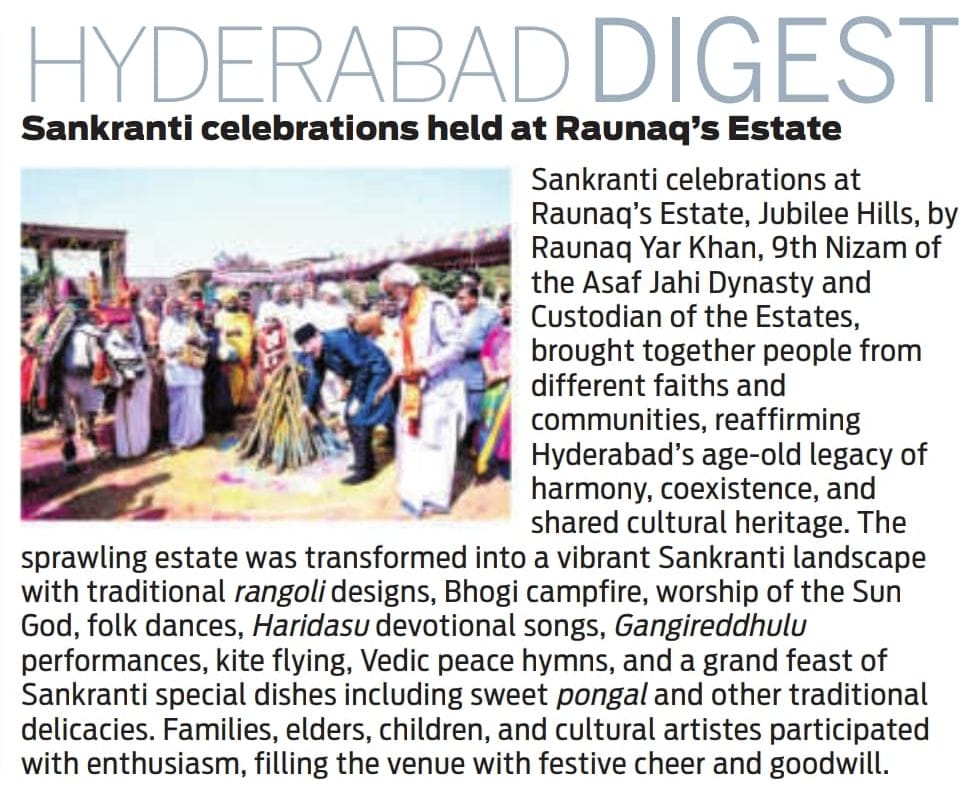
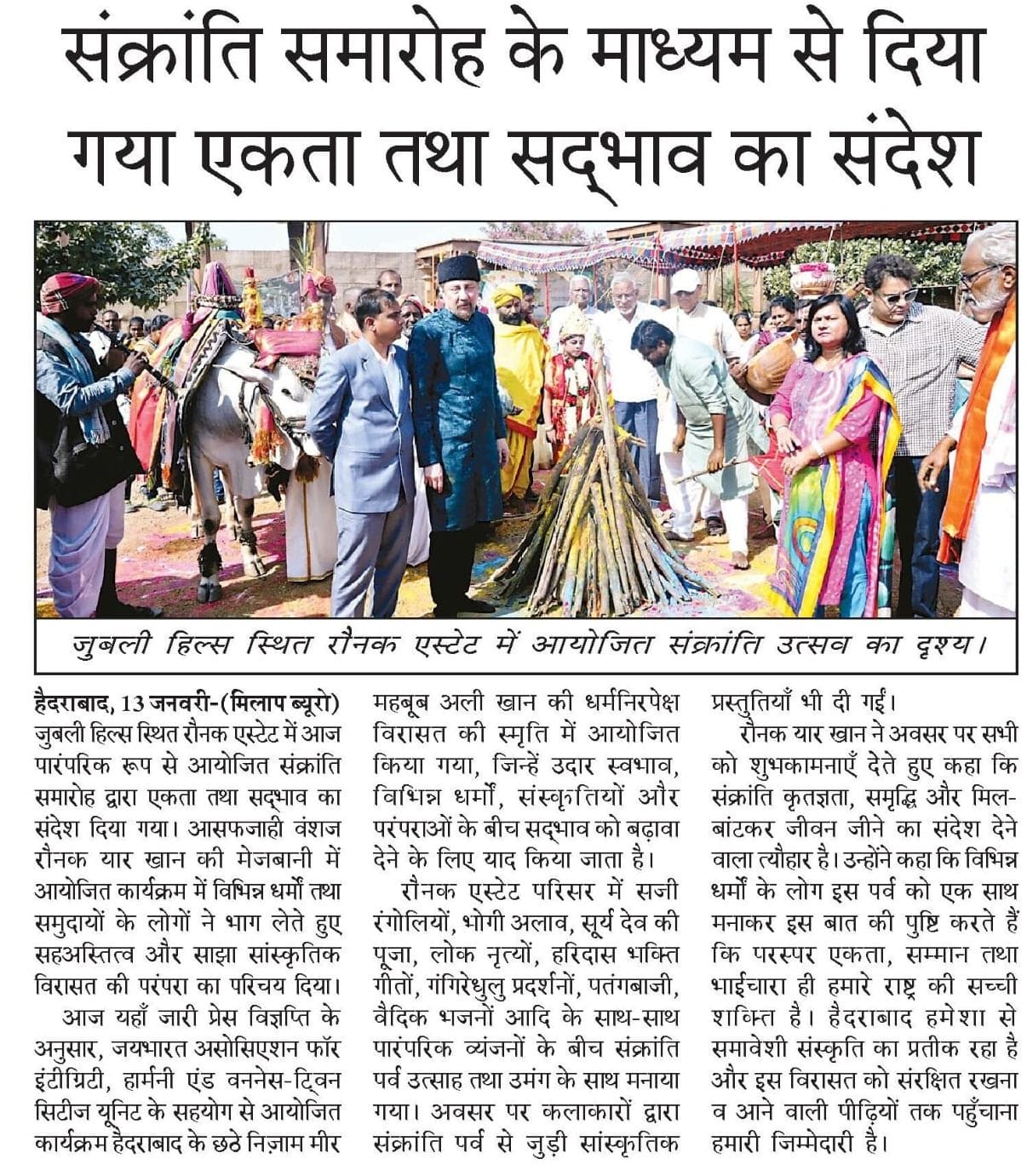
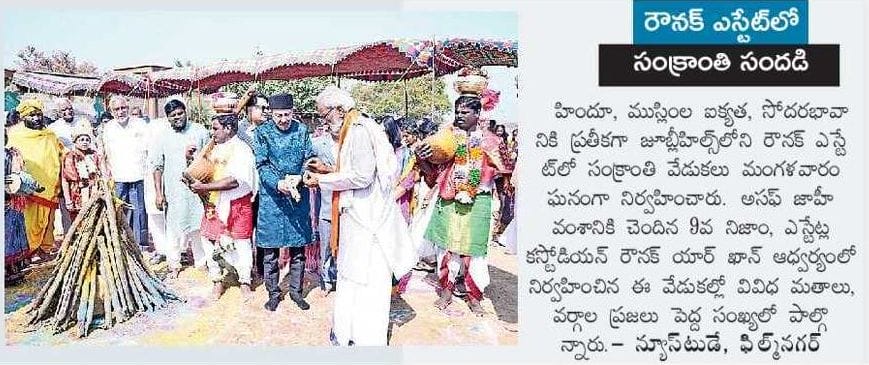
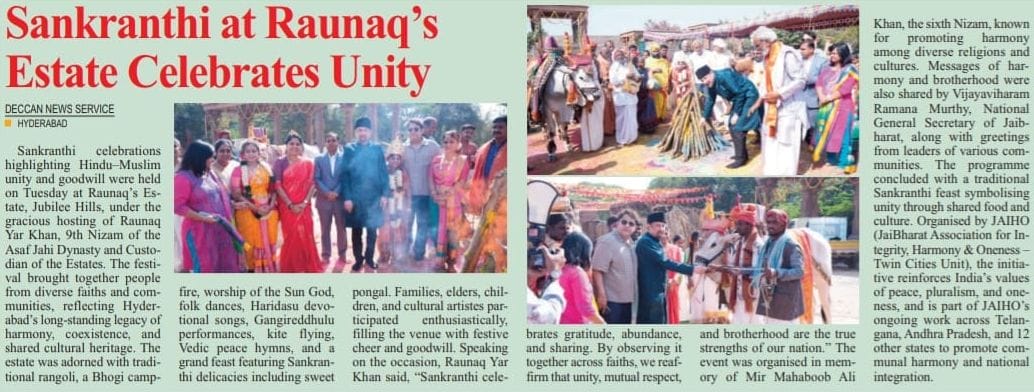
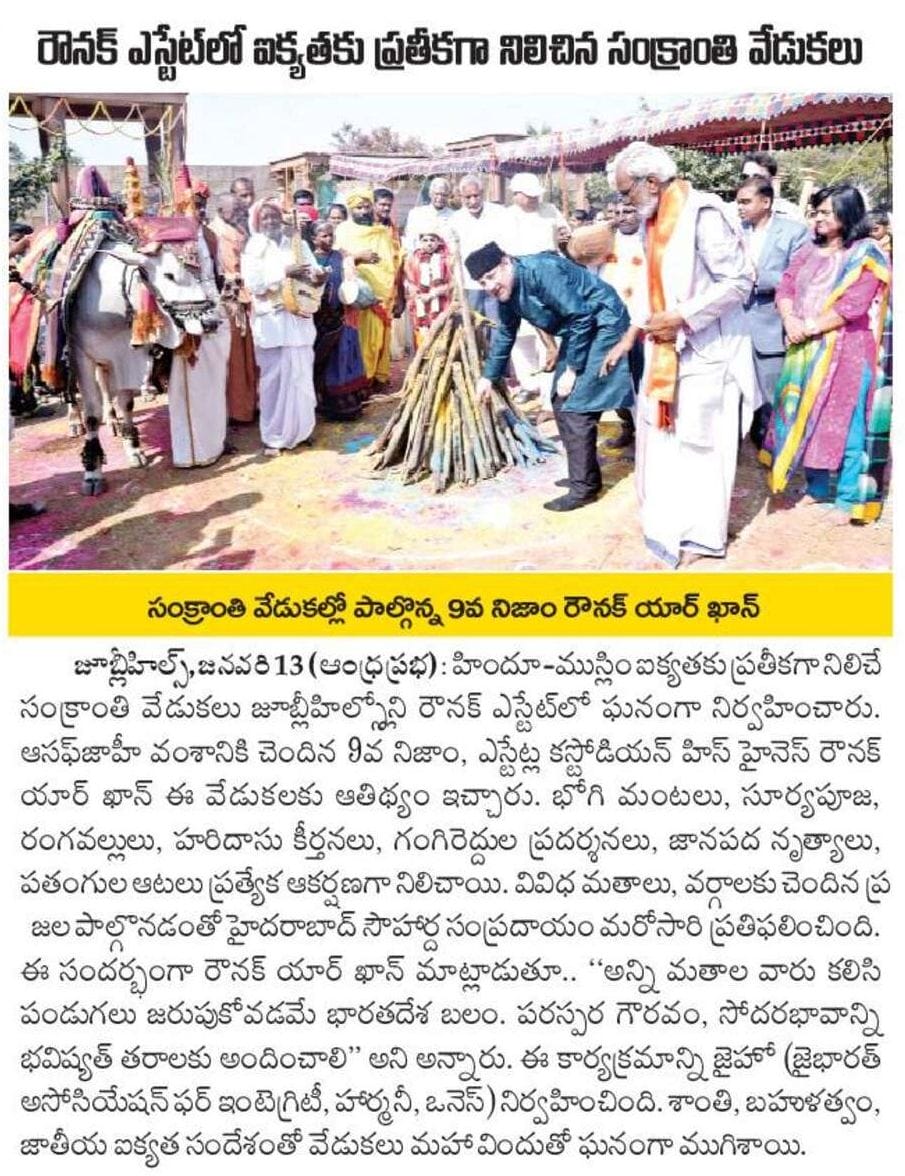
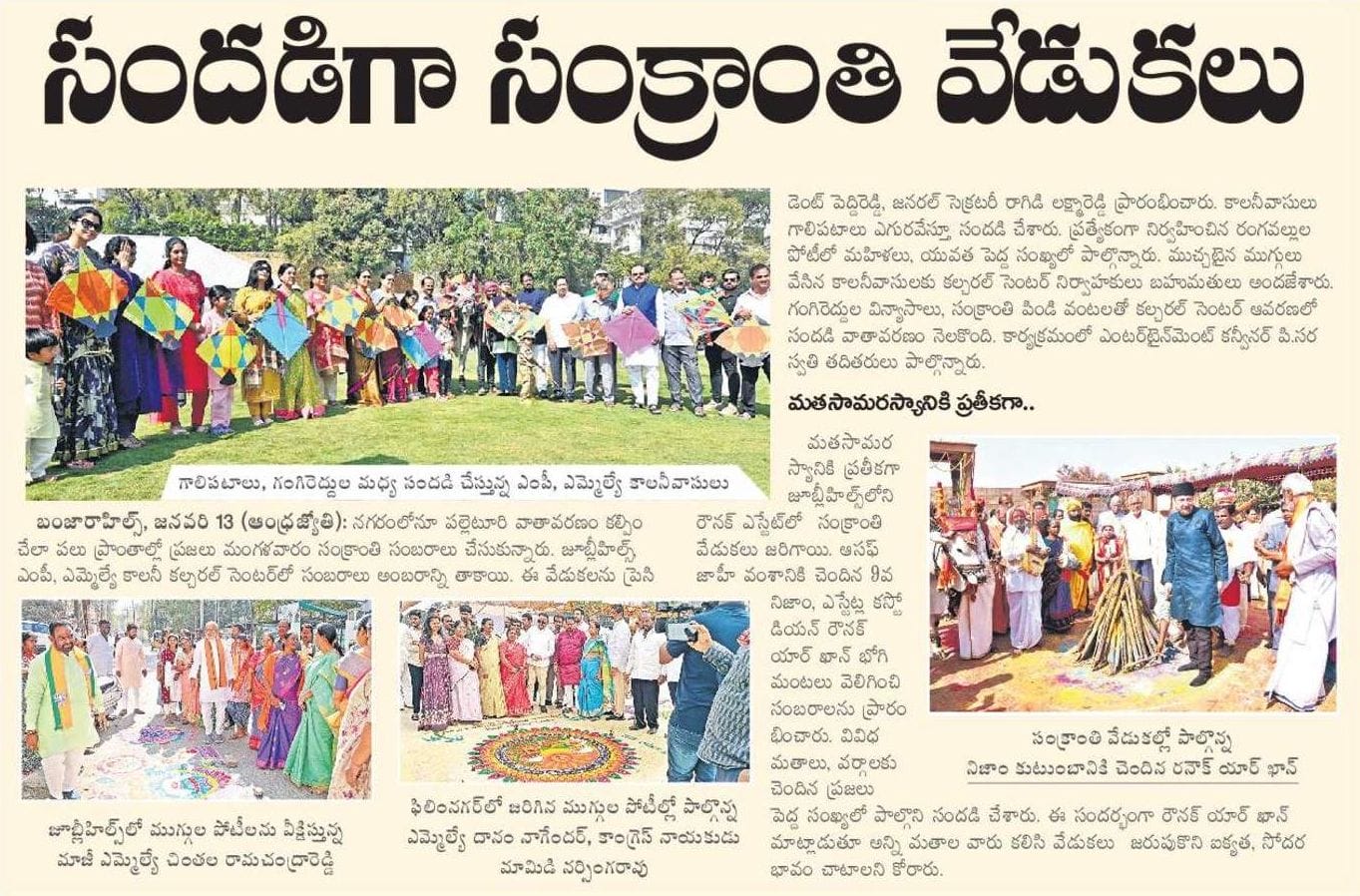
In a profound demonstration of the enduring cultural synthesis that defines the history of the Deccan, the Jubilee Hills estate of Nawab Raunaq Yar Khan became the focal point for a grand celebration of Sankranti. This event, hosted on a Tuesday, was not merely a observance of a harvest festival but a deliberate and symbolic affirmation of Hindu – Muslim unity. As the 9th Nizam of the Asaf Jahi Dynasty and the Custodian of the Estates, Nawab Raunaq Yar Khan presided over the festivities, reinforcing the role of the custodial institution as a bridge between communities and a guardian of shared values.
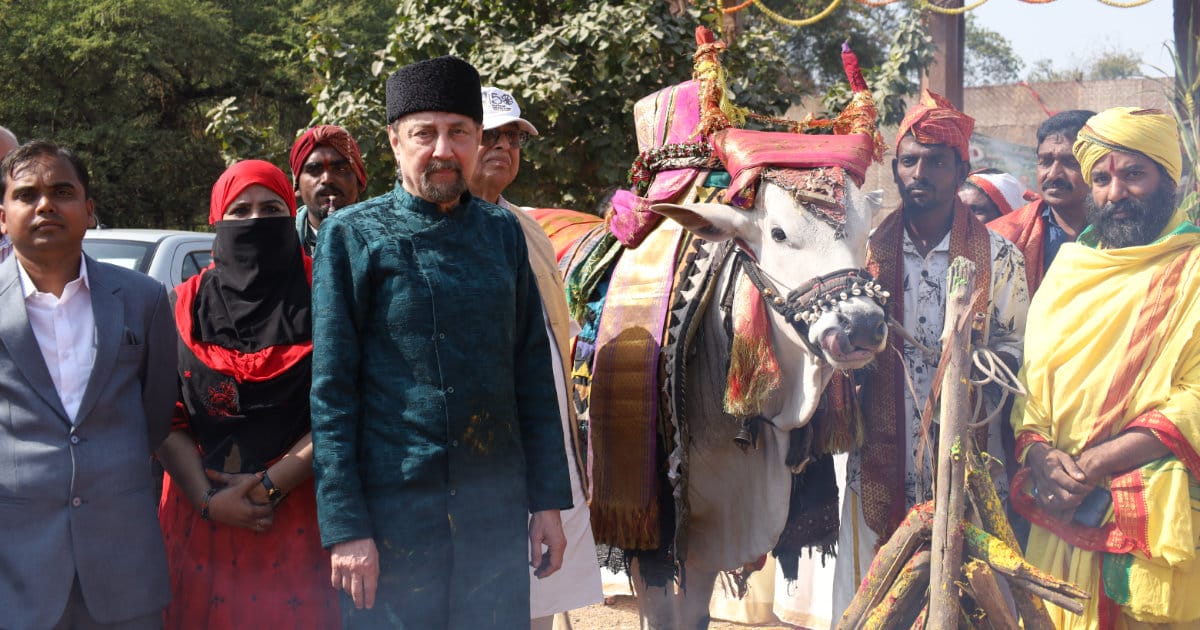
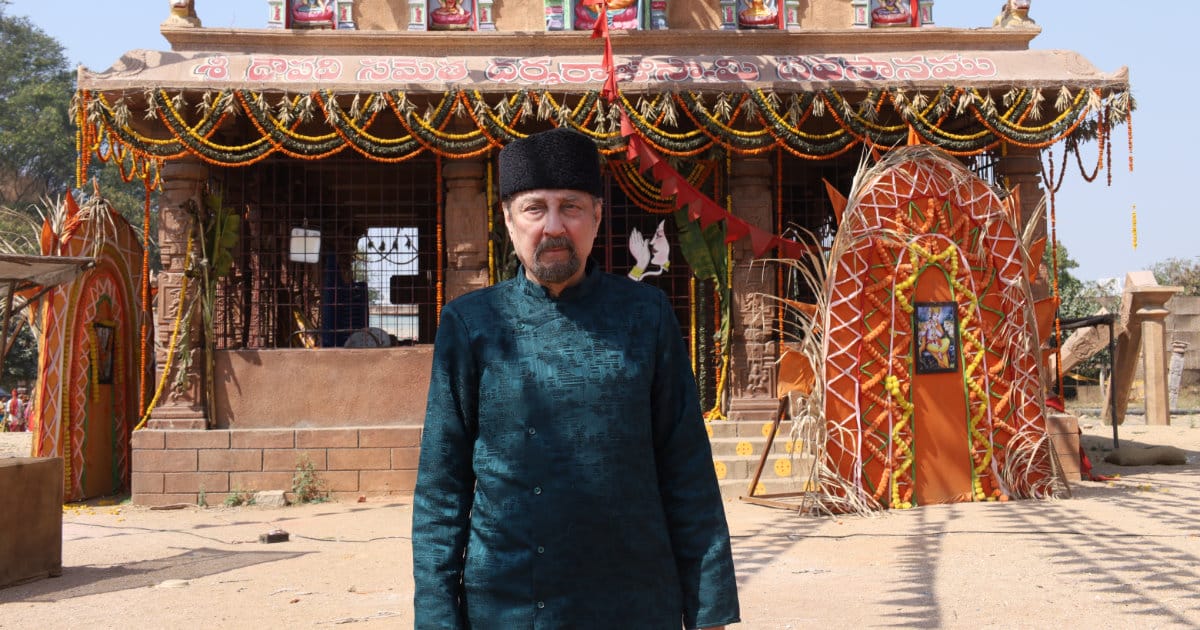
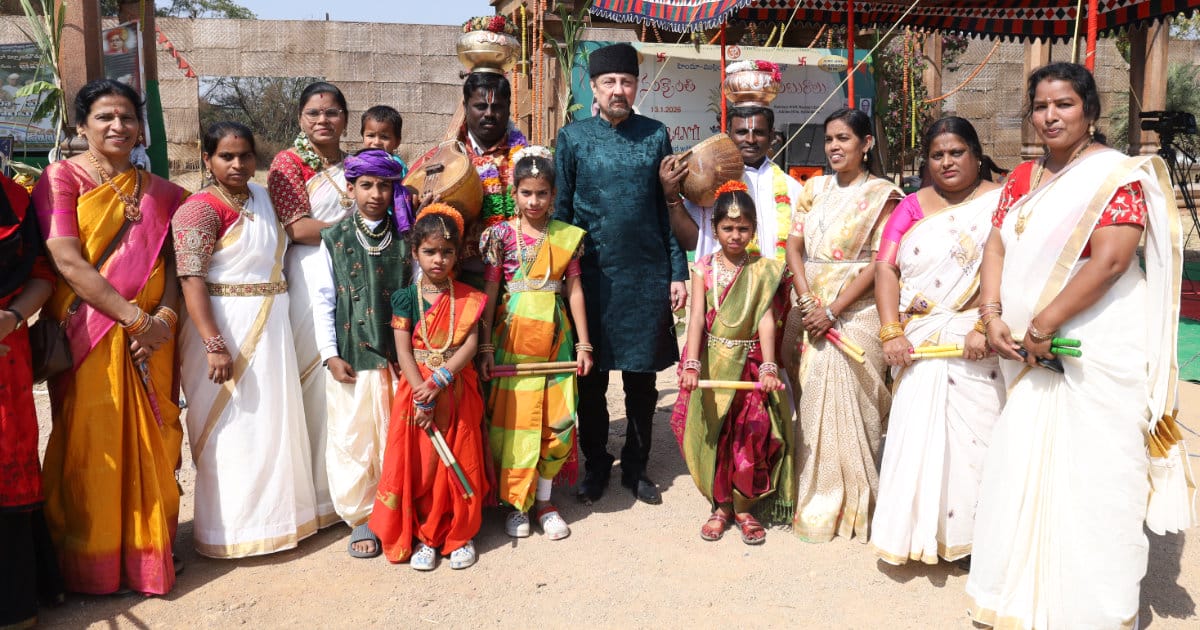
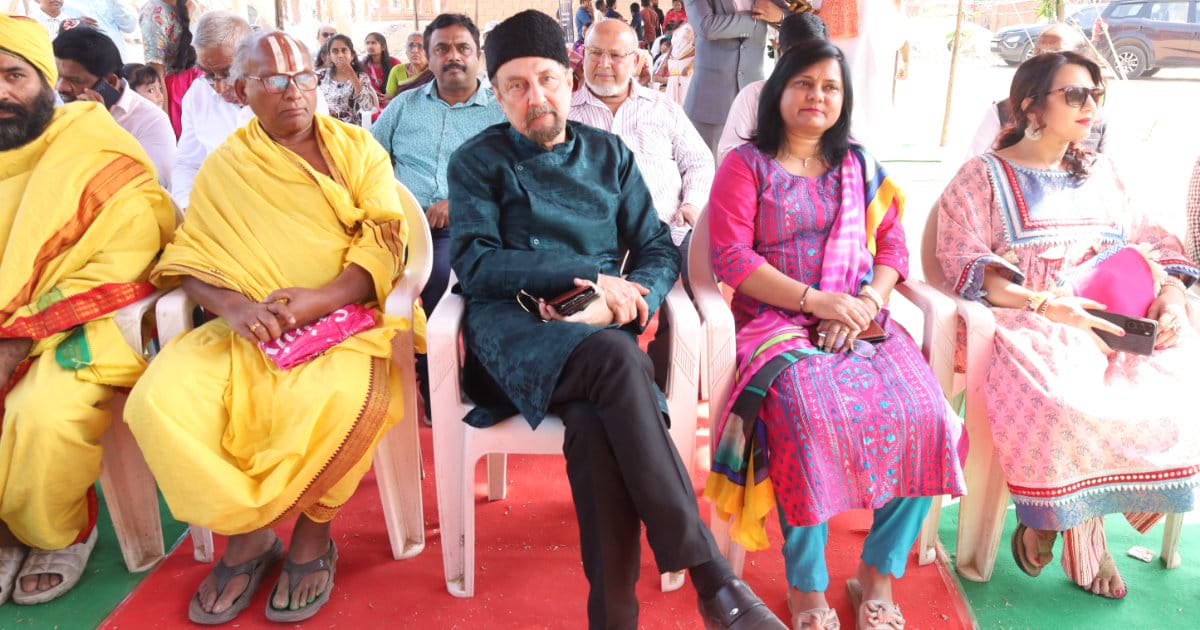
The celebration drew a diverse gathering of citizens from various religions and communities, reflecting the cosmopolitan fabric of Hyderabad. By opening the doors of his estate for a festival traditionally rooted in Hindu culture, the Custodian underscored a message of inclusion and goodwill. The event served as a living testament to the region’s long-standing tradition of coexistence, recalling an era where the lines between communities were blurred by mutual respect and shared joy. The expansive grounds of the Raunaq Estate were transformed to reflect the vibrancy of the season, creating an atmosphere that was at once regal and deeply rooted in the soil of the land.
Reviving the Legacy of the Asaf Jahi Dynasty
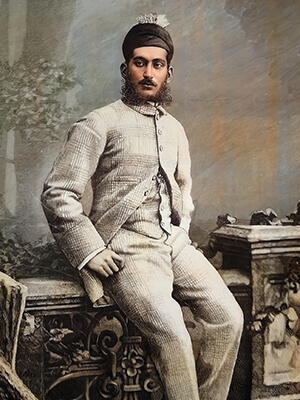
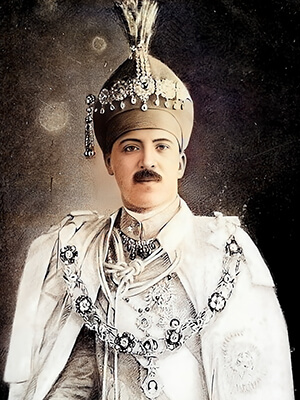
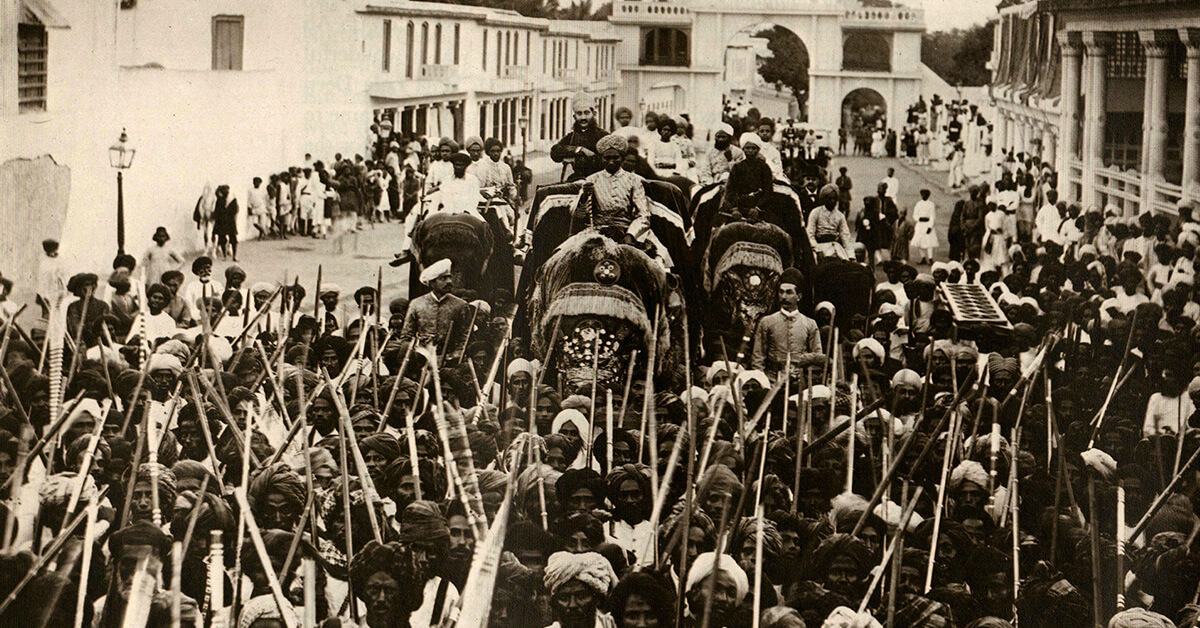
The philosophical underpinning of this gathering was deeply historical. Organisers and attendees alike noted that the programme was designed to pay tribute to the secular legacy of the Asaf Jahi dynasty. Specifically, the event invoked the spirit of Mir Mahbub Ali Khan, the sixth Nizam of the erstwhile Hyderabad State, who was renowned for his impartial patronage of all faiths and his beloved status among his subjects. By championing this event, Nawab Raunaq Yar Khan positioned the contemporary custodial role not as a relic of the past, but as an active force in preserving the composite culture—often referred to as the Ganga – Jamuni Tehzeeb—that the dynasty cultivated over centuries.
This dedication to the sixth Nizam’s memory provided a historical continuity to the proceedings. It emphasized that the values of tolerance and brotherhood are not modern inventions but are inherited responsibilities passed down through generations of the Asaf Jahi lineage. The celebration was, therefore, an act of remembrance as much as it was a festivity, reminding the current generation that the identity of Hyderabad is built upon a foundation of integrity, harmony, and oneness.
The Symbolism of the Bhogi Fire and Sun Worship
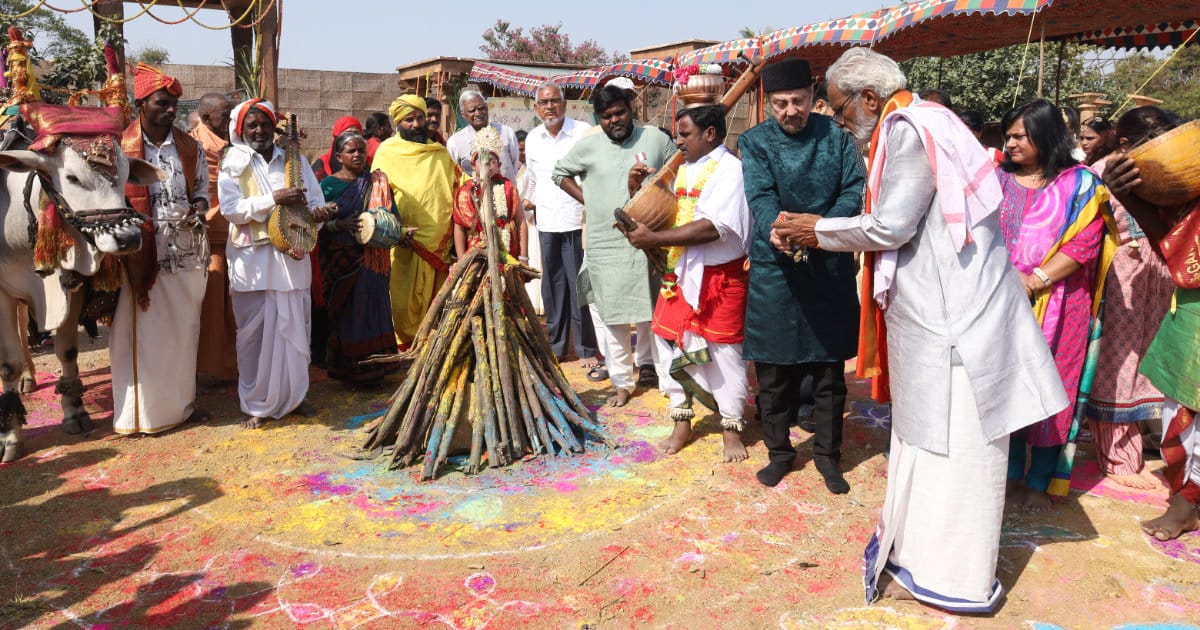
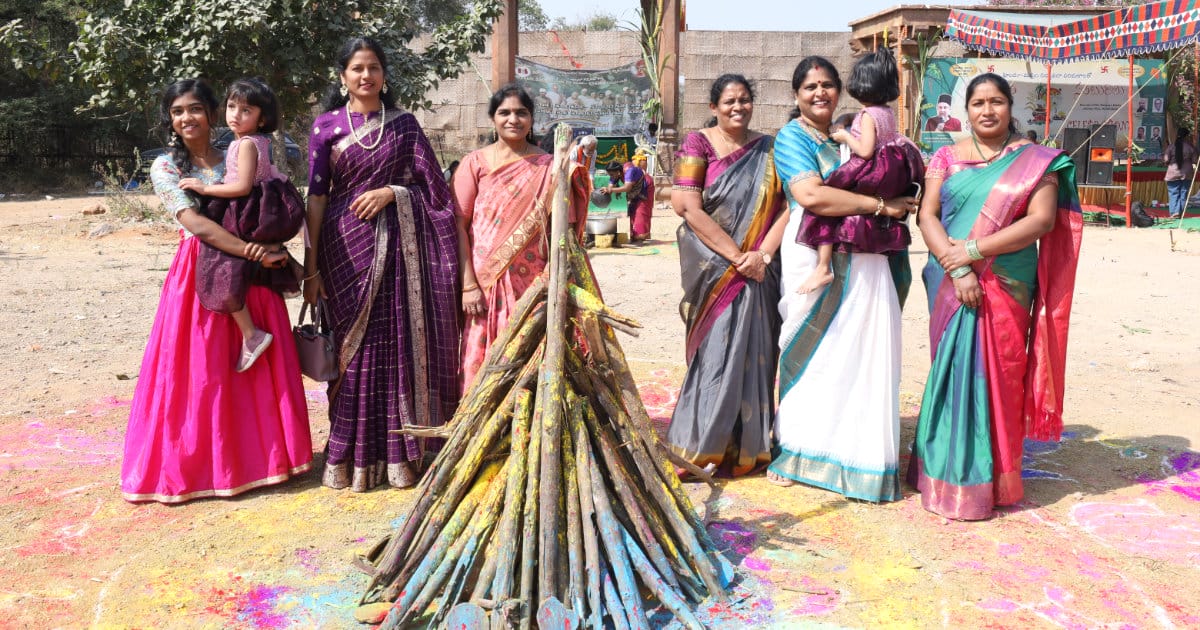
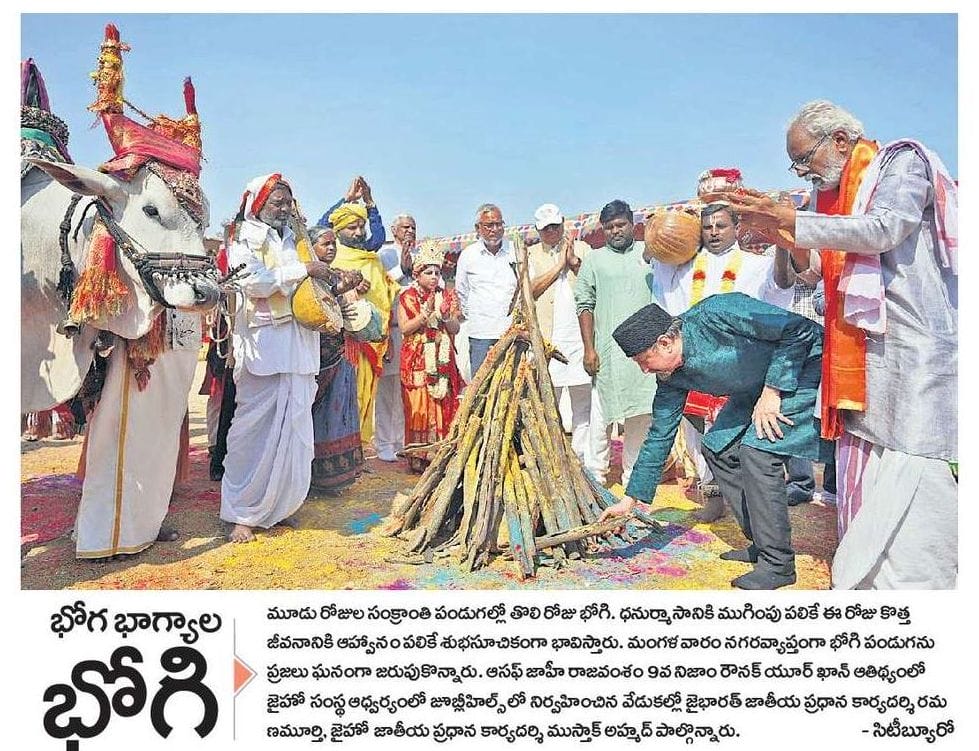
The estate was meticulously decorated to capture the essence of Sankranti, utilizing traditional colours and motifs that resonated with the festive spirit. Central to the observance was the lighting of the Bhogi campfire, a ritual that marks the discarding of the old and the welcoming of the new. The sight of the ceremonial fire burning within the precincts of the Nizam’s estate offered a powerful visual metaphor for the warmth of brotherhood dispelling the coldness of division.
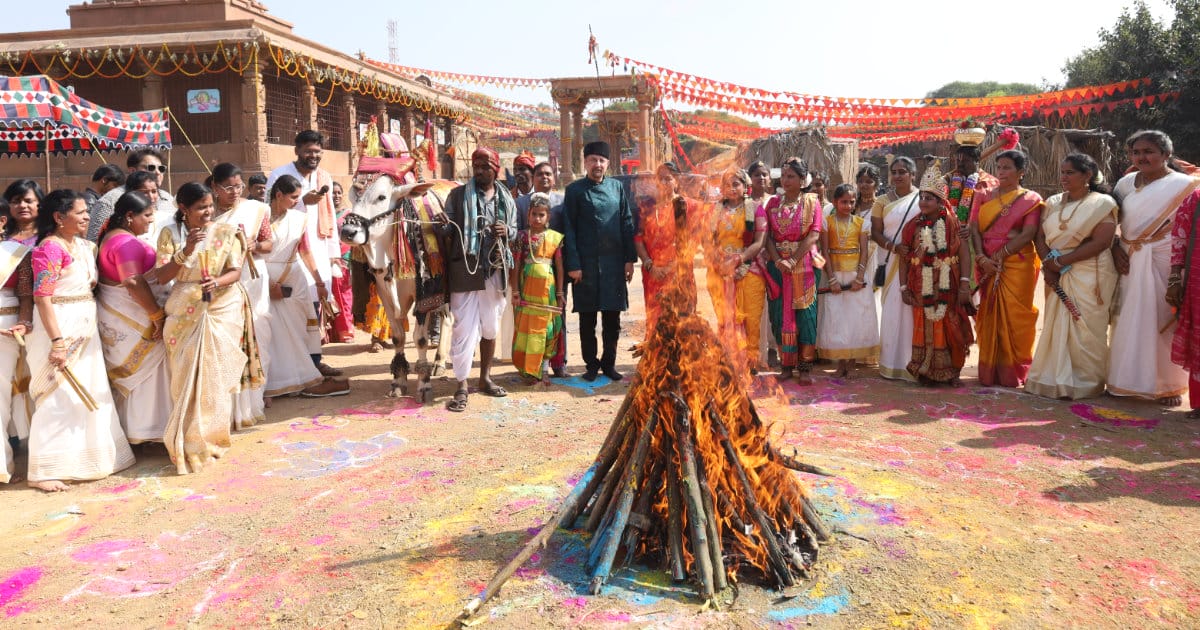
Furthermore, the event included the worship of the Sun God, a pivotal aspect of the Sankranti transition. The inclusion of these specific religious rituals within the programme highlighted the Custodian’s deep respect for the spiritual sentiments of the Hindu community. It was a gesture that went beyond mere tolerance, moving into the realm of active participation and reverence. By facilitating these rituals, Nawab Raunaq Yar Khan demonstrated that true leadership involves sheltering and honoring the diverse beliefs that constitute the society.
A Canvas of Folk Arts and Cultural Expression
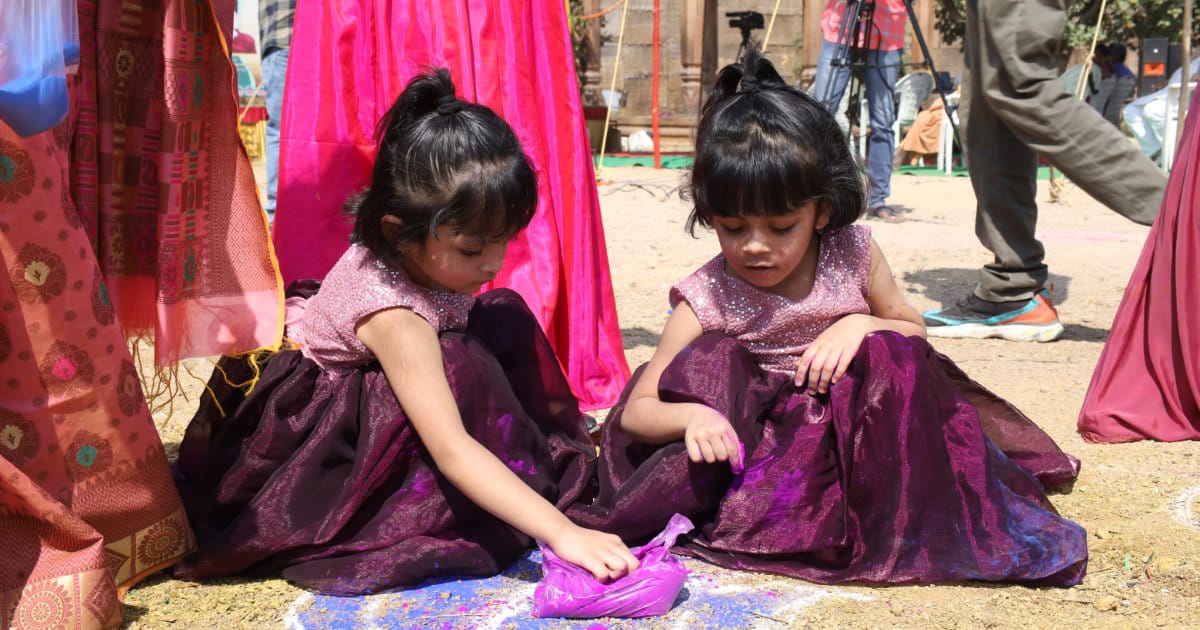
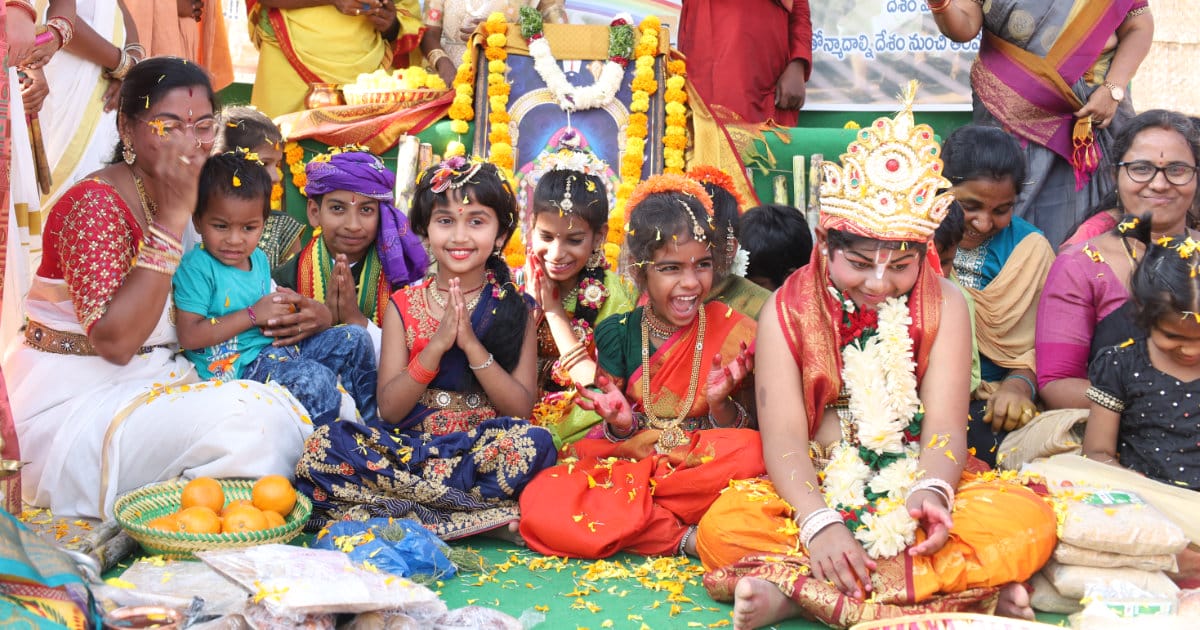
The cultural itinerary of the day was exhaustive, designed to showcase the rich folk heritage of the region. The venue featured intricate and colourful rangoli designs, which adorned the pathways, welcoming guests with symbols of prosperity and luck. These artistic expressions set the stage for a series of performances that captivated the audience and highlighted the agrarian roots of the festival.
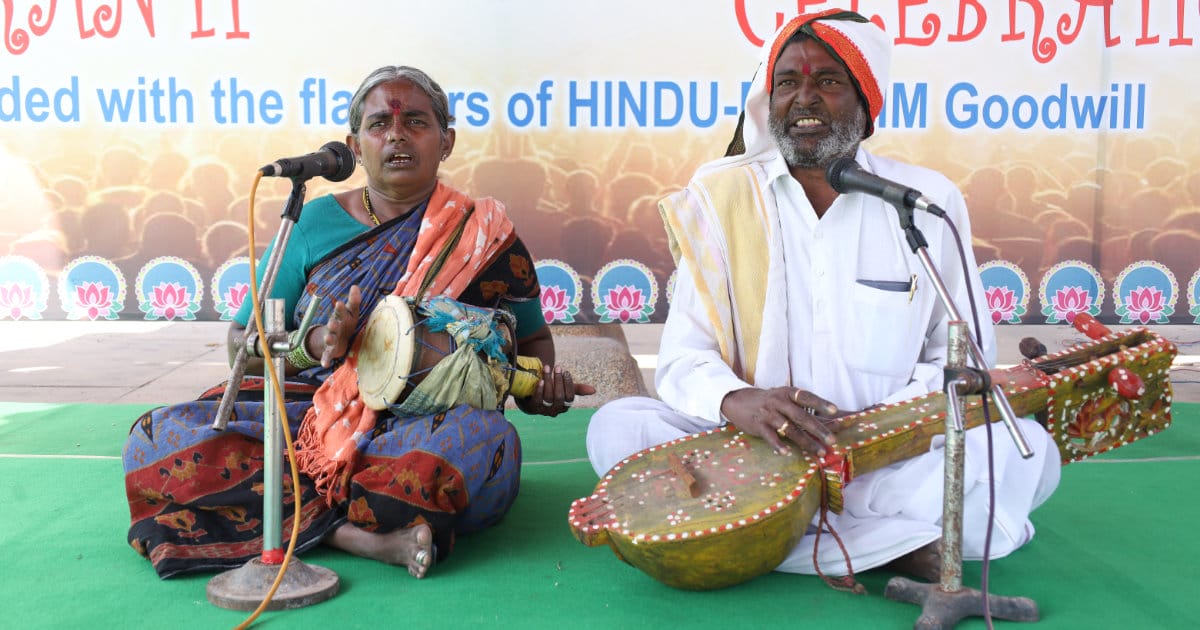
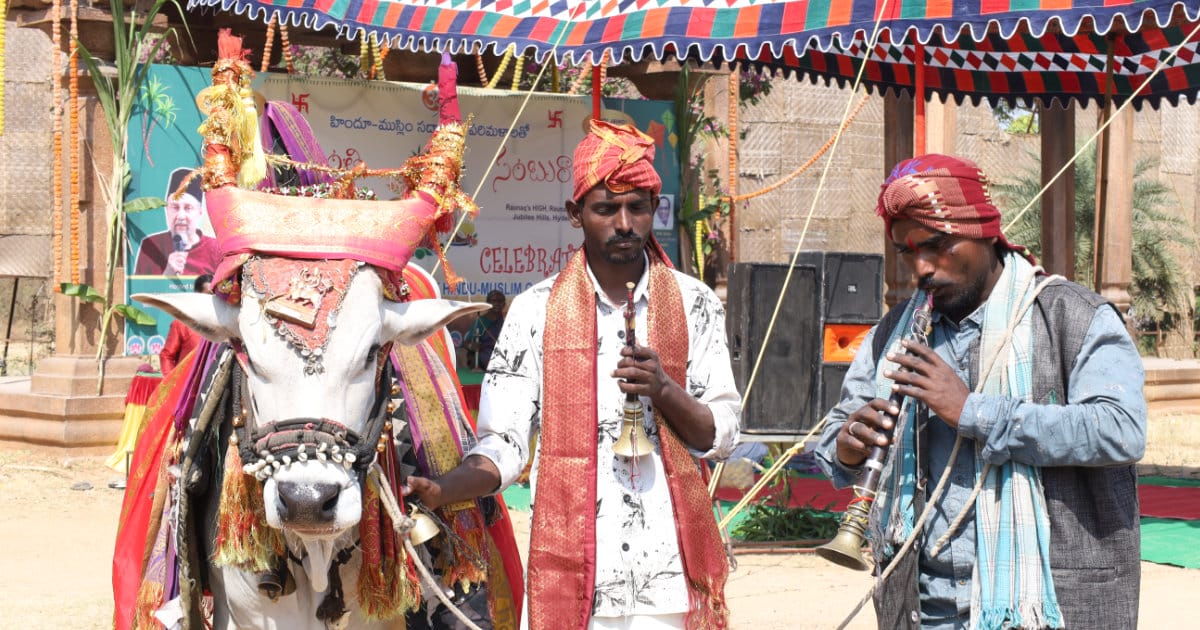
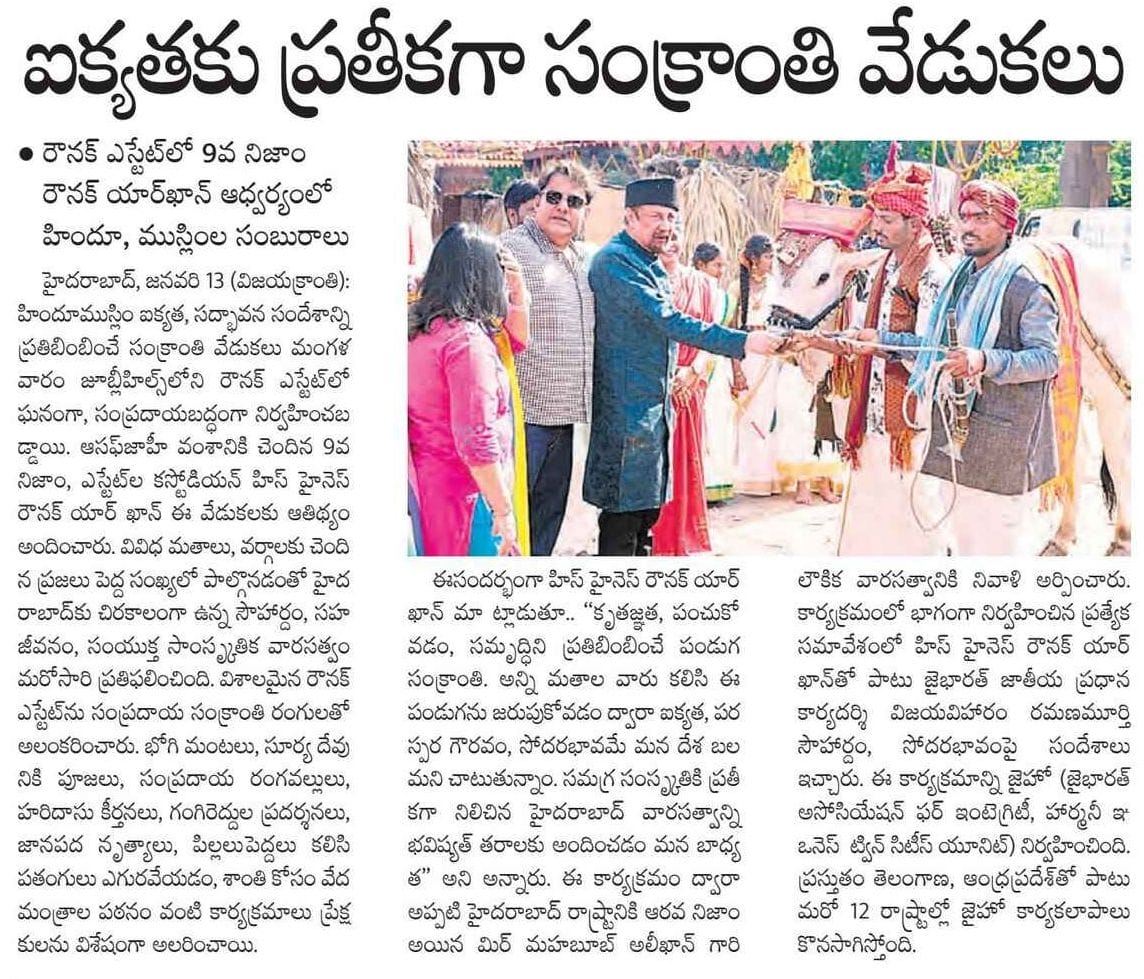
Prominent among the cultural displays were the Haridasu keerthanas. The wandering minstrels, known as Haridasus, sang devotional songs that have echoed through the villages of the Deccan for centuries. Their presence at the Jubilee Hills estate bridged the gap between the rural heartland and the urban center, preserving an art form that is integral to the Sankranti narrative. Complementing this were the Gangireddulu performances – the decorated bulls led by their masters – which are iconic symbols of the harvest season. These performances impressed the audience significantly, serving as a reminder of the symbiotic relationship between humanity and nature.
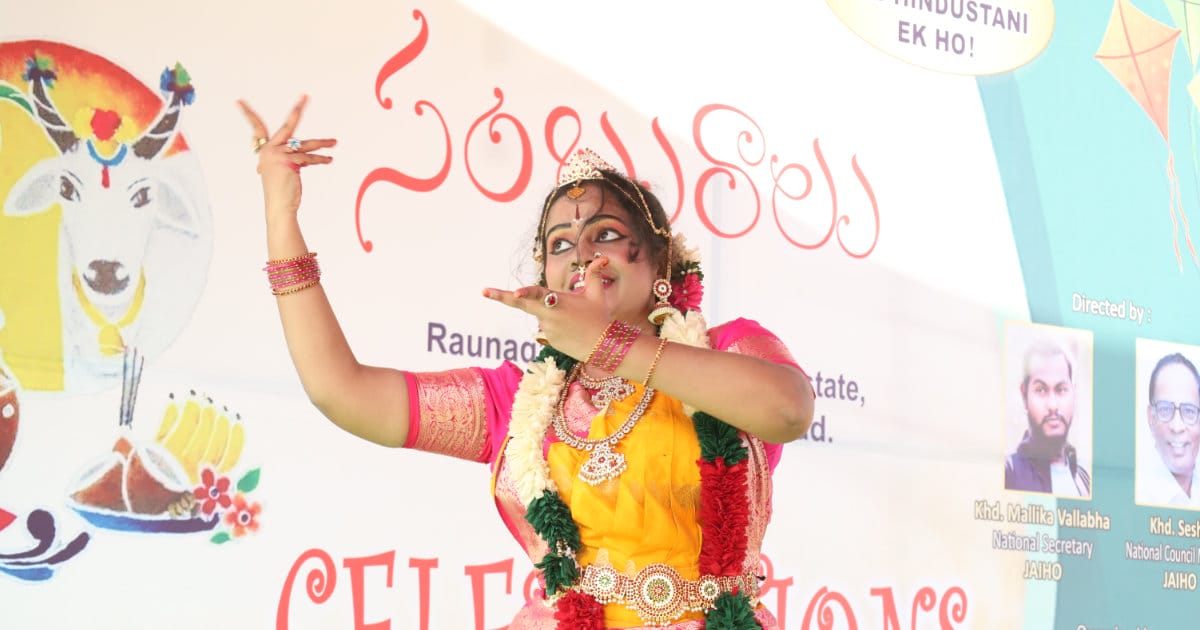
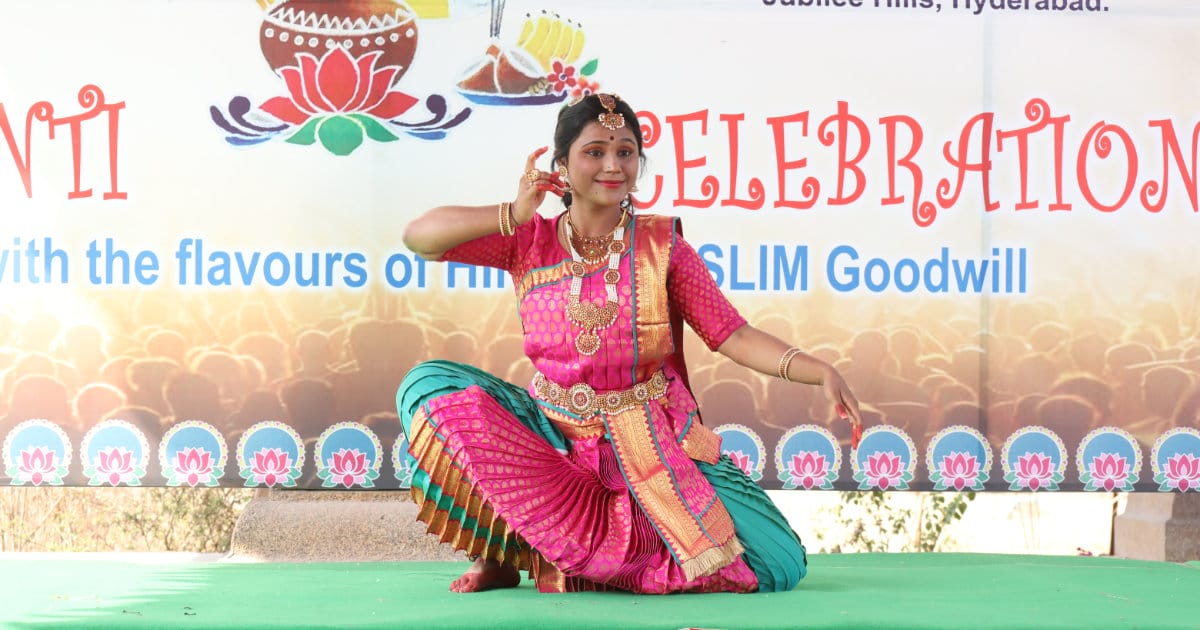
Folk dances added a rhythmic vibrancy to the occasion, with troupes performing traditional numbers that celebrated the joy of abundance. The inclusion of these diverse art forms under the patronage of the Asaf Jahi custodian reinforced the importance of protecting tangible and intangible cultural heritage. It illustrated that the preservation of history involves safeguarding the music, dance, and art that define the people’s identity.
Vedic Hymns and Messages of Peace
In a solemn addition to the festive exuberance, the programme featured the chanting of Vedic mantras for peace. The resonance of these ancient hymns within the estate provided a moment of reflection and spiritual grounding. The focus on peace hymns was deliberate, aligning with the broader theme of the event – harmony. The chanting transcended religious boundaries, offering a universal prayer for the well-being of humanity and the tranquility of the nation.
This spiritual dimension was complemented by messages delivered by key figures at the event. In a special meeting held as part of the programme, Jai Bharat National General Secretary Vijayaviharam Ramana Murthy addressed the gathering alongside the host. His message focused on harmony and brotherhood, reinforcing the idea that the strength of the community lies in its cohesion. These speeches provided the intellectual and moral context for the celebrations, ensuring that the festive joy was anchored in a commitment to social integrity.
The Custodian’s Vision: Gratitude and Brotherhood
Speaking on the occasion, His Highness Nawab Raunaq Yar Khan articulated a vision of the festival that extended beyond ritualistic observance. He defined Sankranti as a festival reflecting “gratitude, sharing, and abundance.” His address to the gathering was a call to recognize the deeper human values that the harvest season represents—the acknowledgment of nature’s bounty and the imperative to share that bounty with others.
“By celebrating this festival together across all religions, we are proclaiming that unity, mutual respect, and brotherhood are our country’s strength. It is our responsibility to pass on Hyderabad’s heritage, which stands as a symbol of composite culture, to future generations.”
A Feast of Unity
The festivities concluded with a grand feast, a central element of traditional hospitality. Guests partook in Sankranti delicacies, prominently featuring sweet pongal and other traditional dishes associated with the harvest. The sharing of food has always been a powerful medium for community bonding, and the feast at Raunaq Estate was no exception. It allowed for the breaking of bread between individuals of different faiths, symbolizing the physical nourishment of the bonds of friendship.
The preparation and service of traditional delicacies demonstrated an attention to detail and a respect for the culinary heritage of the festival. By hosting this meal, Nawab Raunaq Yar Khan honored the tradition of the open table, where generosity and hospitality are paramount. It was a tangible expression of the abundance he spoke of in his address, shared freely among all who were present.
Institutional Partnership for National Integration
The successful execution of this grand event was the result of a collaborative effort between the custodial institution and civil society. The programme was organised by JAIHO (JaiBharat Association for Integrity, Harmony & Oneness – Twin Cities Unit). Founded in 2019, JAIHO has established itself as an organization dedicated to promoting communal harmony, national integration, and social unity. With activities extending to 12 other states besides Telangana and Andhra Pradesh, JAIHO brought a national perspective to the local celebration.
The partnership between Nawab Raunaq Yar Khan and JAIHO underscores the relevance of the Asaf Jahi legacy in modern civil discourse. It demonstrates that the custodial office is actively engaged with organizations that strive for the betterment of society. By lending his support and his estate to JAIHO’s initiative, the Custodian amplified the message that festivals like Sankranti possess the power to bridge communities and celebrate the shared cultural heritage that defines the nation.
A Beacon of Coexistence
The Sankranti celebrations at the estate of Nawab Raunaq Yar Khan stand as a beacon of coexistence in contemporary times. Through the thoughtful integration of Hindu rituals, folk arts, and a message of universal brotherhood, the event successfully revived the spirit of the 6th Nizam’s secular governance. It affirmed that the cultural identity of Hyderabad remains deeply rooted in the ability of its people to celebrate each other’s joys.
As the Custodian of the Asaf Jahi family, Nawab Raunaq Yar Khan successfully utilized the platform of a harvest festival to sow the seeds of unity. The event provided a space where gratitude and abundance were not just celebrated as agricultural milestones, but as social values essential for the strength of the country. In doing so, the 9th Nizam ensured that the legacy of the Asaf Jahi dynasty continues to serve as a unifying force, guiding the community toward a future defined by mutual respect and shared heritage.
In Media
Related Articles

A Festival Beyond Faith: Basant Panchami at Hyderabad’s Shaikhji Hali Dargah
19 January 2026

Sankranti Celebrated as Symbol of Unity in Hyderabad
14 January 2026

Sankranthi Celebration in Hyderabad Led by Raunaq Yar Khan
14 January 2026

Raunaq Yar Khan Hosts Sankranti Promoting Hindu–Muslim Unity
13 January 2026

Raunaq Yar Khan Hosts Sankranti for Communal Unity
13 January 2026