The most elaborate planning by the British Empire at the height of its power faltered, briefly but visibly, in 1903, when one ruler of a princely state chose to assert his position without a word.
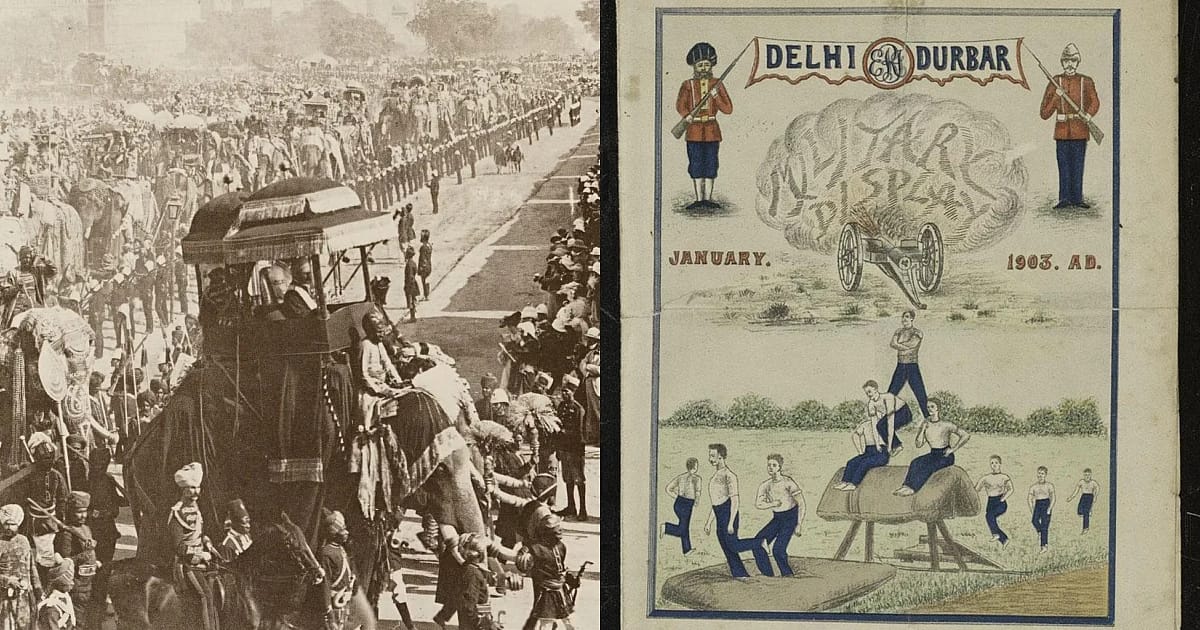
In January 1903, Lord Curzon, Viceroy and Governor-General of India, acting on behalf of the Crown, had summoned the rulers of princely states to Delhi for the Durbar. The event was conceived as a display of Imperial order. Every arrival, procession and gesture was planned. Princes from across India were to descend from their trains, walk across the platform, and take their place in a carefully arranged ceremonial sequence.
One of them did not.
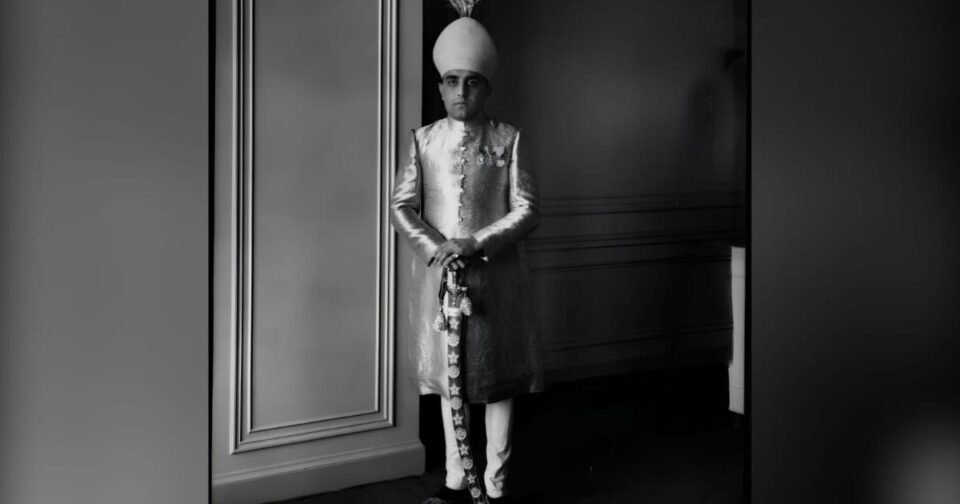
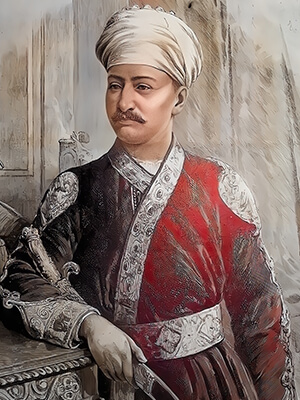
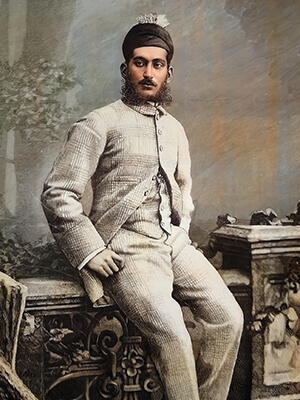
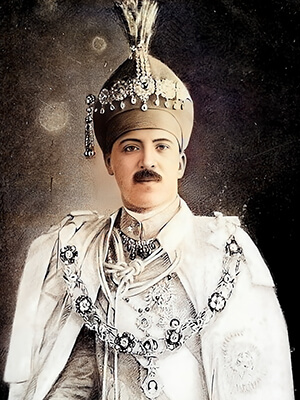
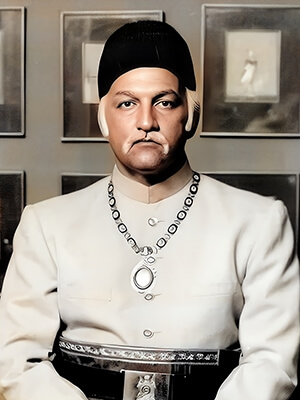
When Mir Mahbub Ali Khan, the sixth Nizam of Hyderabad, arrived in his private railway saloon, he was informed of the protocol: he would step down and walk to his waiting elephant. The Nizam declined. He remained inside his carriage.
There was no exchange, no raised voice, no visible defiance. He simply did not move.
What followed is preserved not in official dispatches but in memoirs and private papers. Minutes passed into hours. Officials, already tasked with maintaining the pace of a large imperial gathering, waited. The sequence, designed to proceed without interruption, stalled.
Later administrative recollections convey the unease. One ICS officer described it as “a situation of no little embarrassment, His Highness declining to alight under the conditions arranged.” Another wrote that “the programme, so carefully constructed, was for a time held in abeyance by a single refusal.”
The phrasing is measured, but the difficulty is clear. A durbar intended to demonstrate order had been interrupted by inaction.
Curzon’s Problem
The episode also finds context in the private correspondence of Lord Curzon. While the specific incident does not feature in official reports, his letters from the period reflect the broader difficulty of managing princely participation, particularly in relation to Hyderabad.
In Curzon in India: Being a Selection from His Speeches as Viceroy and Governor-General of India, 1898–1905 and related compilations, Curzon referred to the challenges posed by rulers whose position carried weight beyond formal protocol. In one letter, he wrote of dealing with “a ruler of great position but uncertain temper, who does not always conform to arrangements made for him.”
Elsewhere, reflecting on the conduct of princes within imperial ceremonies, he observed: “they resent direction, even where it is indispensable to the success of the whole.”
These remarks were not part of the public record. They belong to private correspondence, offering a more direct account of the limits the colonial administration encountered when authority depended on cooperation.
The Compromise
At the railway platform in Delhi, the impasse could not continue indefinitely. The Durbar depended on movement, and the railway system could not be held in suspension.
The resolution came through adjustment rather than enforcement.
Arrangements were altered. The Nizam’s elephant was brought up to the platform itself, allowing him to mount directly from his carriage without stepping onto the ground.
Only then did he emerge and proceed.
There was no reprimand, no formal censure. The Durbar continued as planned. The episode did not find detailed mention in official records, but it remained in recollections as a moment when the sequence had to be altered to accommodate a single refusal.
More than Eccentricity
British accounts tend to describe the incident in terms of inconvenience — “difficulty”, “embarrassment”, “non-conformity”. Curzon’s correspondence reflects a similar tone, presenting the Nizam as resistant to coordination. Yet the act itself was controlled.
By declining to step down under prescribed conditions, Mahbub Ali Khan did not reject the Durbar. He attended, but on terms that required the arrangement to shift. There was no disruption beyond the pause he created, no departure from the ceremony itself.
Within a setting designed to display hierarchy, the sequence halted until accommodation was made.
The adjustment — an elephant brought to a railway carriage — was limited in practical terms. Its significance lay elsewhere.
In the end, there was no confrontation. The Nizam stepped out, mounted his elephant, and joined the proceedings.
For a brief interval on a Delhi platform, however, the choreography of empire paused, and then altered, in response to a man who chose not to move.
Sources and Record
- Curzon in India (speeches and correspondence, 1898–1905)
- Private letters of Lord Curzon (various published compilations)
- ICS memoirs and administrative recollections of the Delhi Durbar
- Later historical syntheses drawing on these papers
- The precise wording of recollections varies across editions, but the pattern is consistent: the official record remains largely silent, while private writings note irritation, delay and eventual adjustment.
The Delhi Durbar, 1903 — Programme and Schedule
- The Durbar marking the proclamation of Edward VII as Emperor of India was held in Delhi over several weeks, with the principal events concentrated in late December 1902 and early January 1903:
- December 29, 1902— Arrival of the Viceroy, Lord Curzon, and formal opening of the Durbar camp
- December 30–31, 1902— Arrival of ruling princes and chiefs; ceremonial receptions; camp organisation and rehearsals
- January 1, 1903— State Entry into Delhi: a grand procession led by the Viceroy, with princes in order of precedence
- January 2, 1903— The Durbar Proper: formal assembly at the amphitheatre; proclamation ceremonies and addresses
- January 3–4, 1903— Investitures, receptions, and return visits between the Viceroy and princely rulers
- Following days (early January)— Military reviews, polo matches, banquets, and social functions within the Durbar camp
- Mid-January 1903 onwards— Gradual departures of rulers and dismantling of the Durbar arrangements