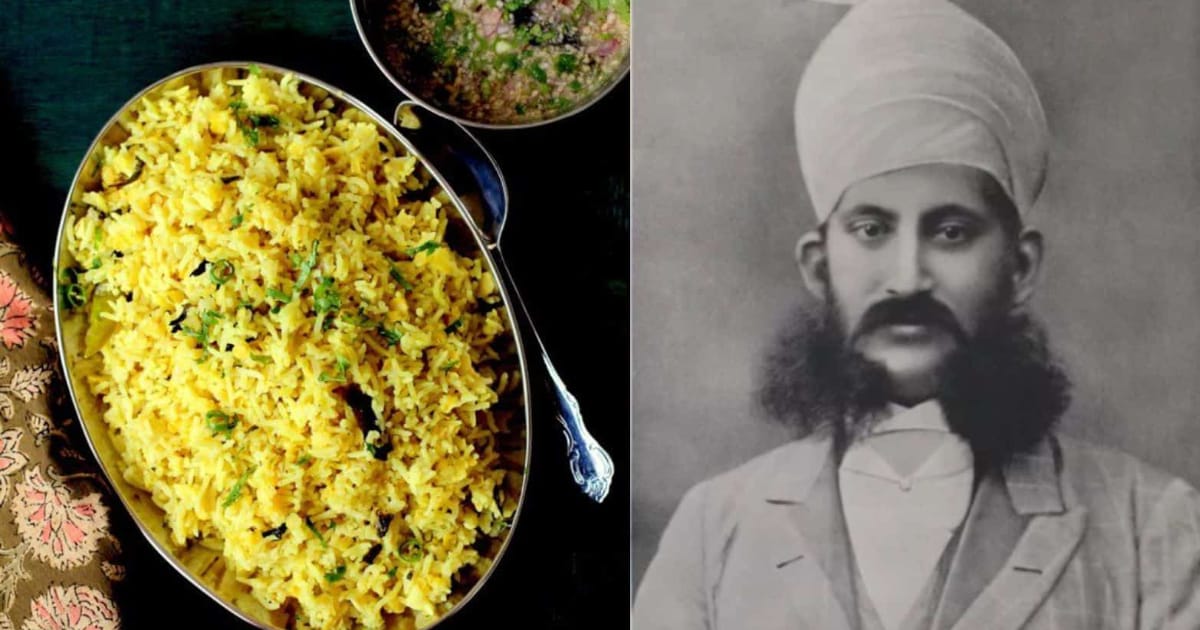
It is 2026, and khichdi-khatta-kheema is the most affordable and common dish in all of Hyderabad. Masoor dal and rice is the only recipe every Hyderabadi chef knows.
Now, let us travel back.
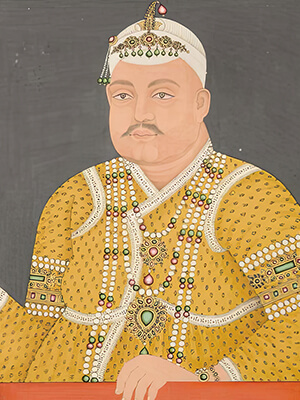
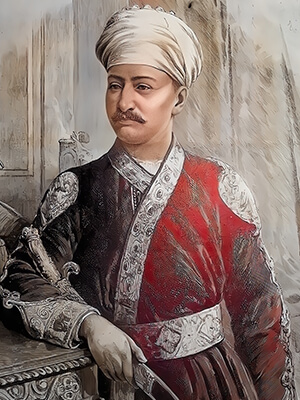
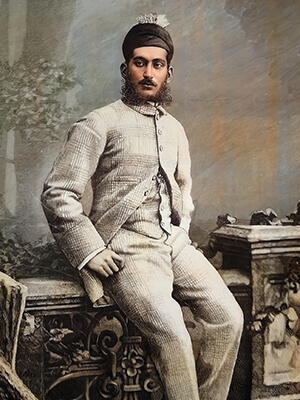
It is the 1890s, and khichdi is not just a humble breakfast but a symbol of Nizami richness. In the royal kitchens of the Nizams of Hyderabad, it is prepared in dozens of ways, and each version is layered with ghee, nuts, fragrant spices and culinary imagination.
According to the 19th-century cookbook, Khwan Neʿmat-e Asafiya, the simple khichdi had an entire category of its own in the royal kitchen. The Nizams’ love for the dish was vast, so much so that the book itself records 30 different types of khichdi.
Not one recipe, not one standard version, but dozens. And each of them tells a very different story about what khichdi used to be.
Sitting on the table of the Asaf Jahi Era
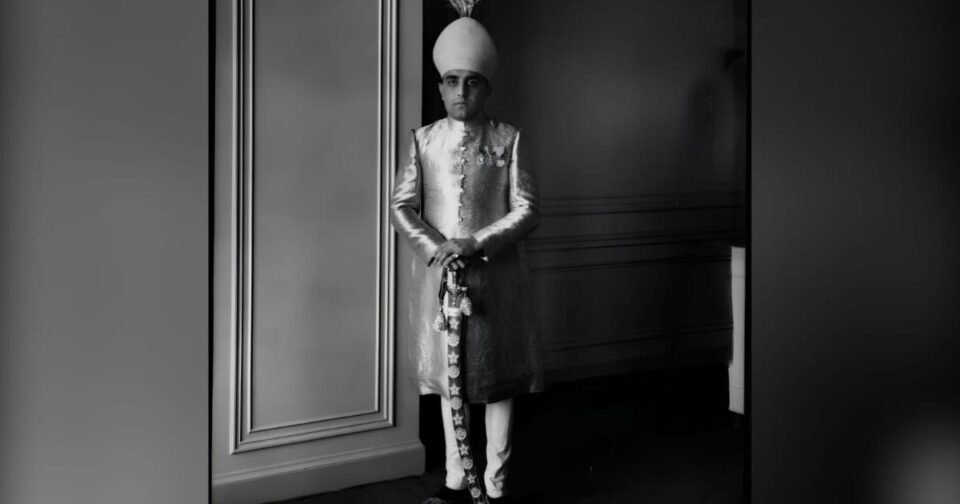
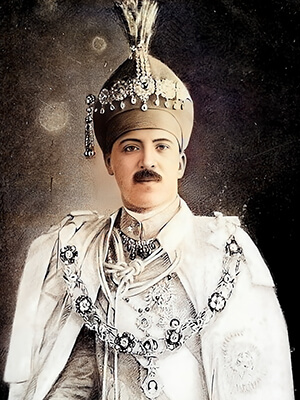
Khwan Neʿmat-e Asafiya, translated to “The Beneficient Table of the Asafiya Dynasty”, is our window into the golden age of Deccani dining. Published in the late 19th century by the Nizami press, it was subtitled Tuhfat ul-Lazat-e Mahbubiya (The Gift of Taste of Mahbub), a nod at Mir Mahboob Ali Khan, the sixth Nizam of Hyderabad.
The cookbook was compiled by Ghulam Mahbub Hyderabadi, the manager of the kitchens for Nawab Sir Asman Jah Bahadur, the then Prime Minister of Hyderabad State. Unlike earlier Persian manuscripts that were hidden away in the noble libraries, this was a lithographic masterpiece. It was printed for the emerging Hyderabadi middle class, who were eager to replicate the sophisticated flavours of the Nizami and Paigah palaces in their own homes.
The 30 types of khichdi
Flip through the rare pages of Khwan Neʿmat-e Asafiya, and you will find that the diversity of khichdi is staggering. The Nizams of Hyderabad are often noted to have had a particular fondness for breakfast, especially khichdi, thus explaining the 30 distinct types listed in the book.
The recipes include almond khichdi, pistachio khichdi, mustard khichdi, and one can only imagine the buttery texture of the rice. Meanwhile, the Jahangiri Khichdi and Asaf Jahi Khichdi could only be the royal recipes. Chefs also experimented with every pulse available, creating unique profiles using Toor dal, moong dal, masur dal and mash dal.
Just like in modern-day Hyderabad, these khichdis were never served alone. As per Sahapedia, pairings like khatte baingan, til ki chutney, and kheema were popular. The most fascinating side dish was the Tamarind Flower Khagina, a sophisticated egg scramble that used the tartness of seasonal tamarind flowers.
Why the variety faded
The decline of Hyderabad’s diverse khichdi menu into today’s singular, simplified version is a result of shifting socio-economic priorities.
As biryani rose to global commercial prominence, it overshadowed labour-intensive breakfast staples that required the precise, slow-cooking techniques of master khansamas. Furthermore, the unapologetic decadence of the Nizam-era recipes, heavy with saffron, ghee, and expensive nuts, became impractical for a modern middle class. Consequently, the “Beneficent Table” was replaced by the current khichdi version, favoured for its speed and affordability, leaving the city’s rich intellectual and culinary history tucked away in the pages of forgotten manuscripts.