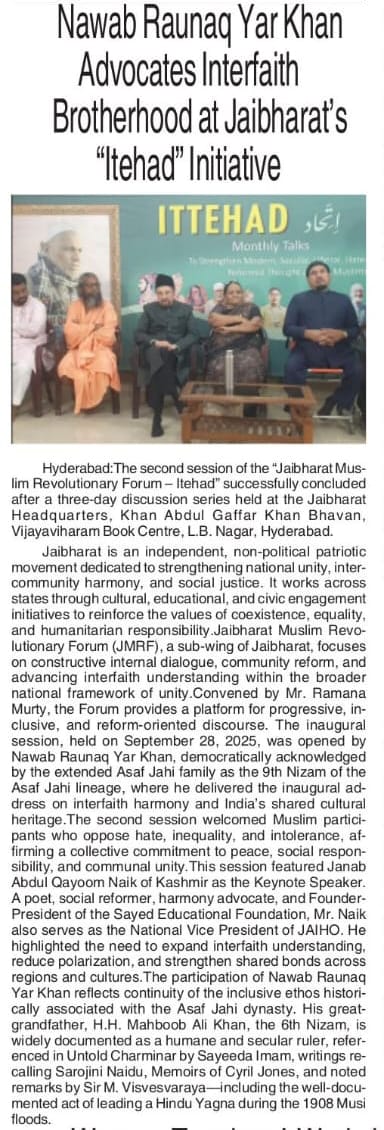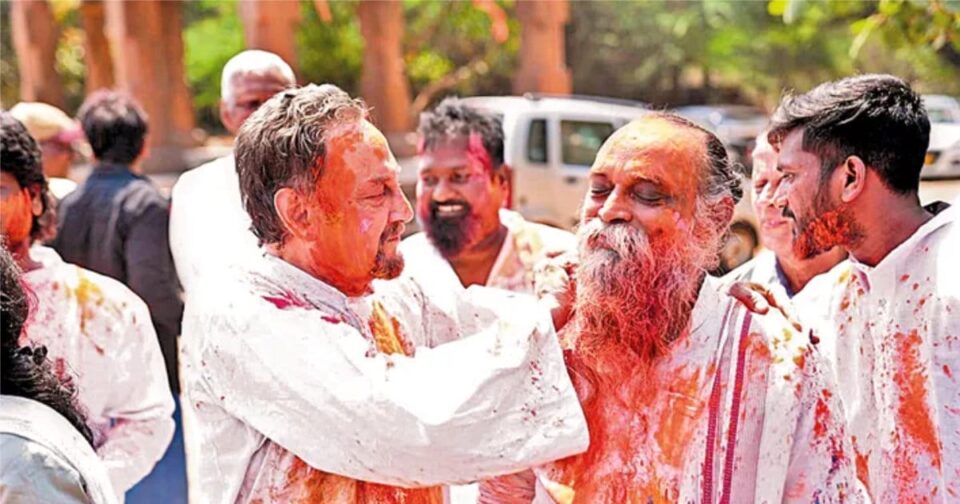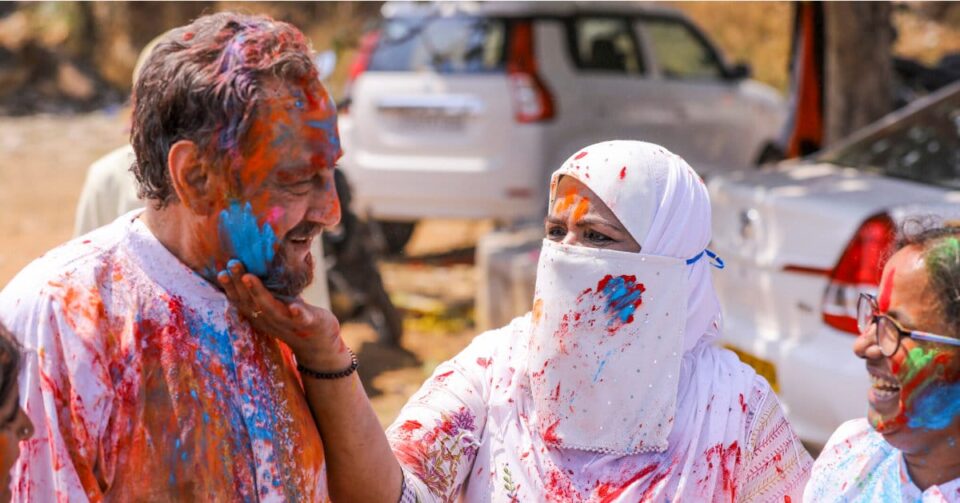
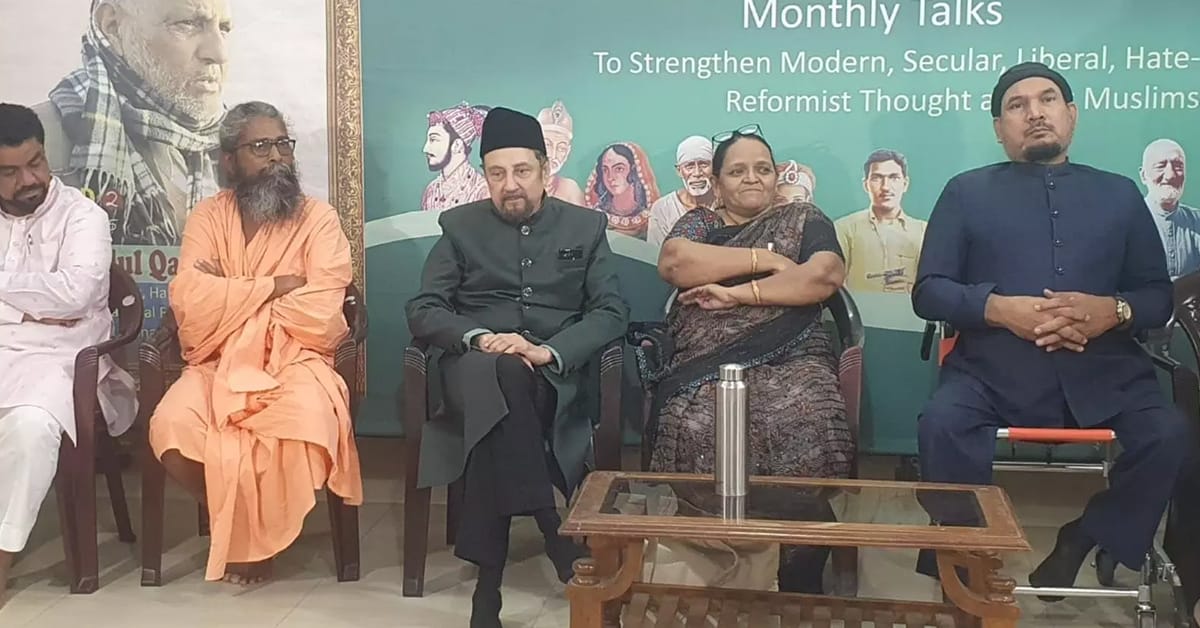
Hyderabad: The second session of the “Jaibharat Muslim Revolutionary Forum – Itehad” successfully concluded after a three-day discussion series held at the Jaibharat Headquarters, Khan Abdul Gaffar Khan Bhavan, Vijayaviharam Book Centre, L.B. Nagar, Hyderabad.
Jaibharat is an independent, non-political patriotic movement dedicated to strengthening national unity, inter-community harmony, and social justice. It works across states through cultural, educational, and civic engagement initiatives to reinforce the values of coexistence, equality, and fundamental responsibility. Jaibharat Muslim Revolutionary Forum (JMRF), a sub-wing of Jaibharat, focuses on constructive internal dialogue, community reform, and advancing interfaith understanding within the broader national framework of unity.
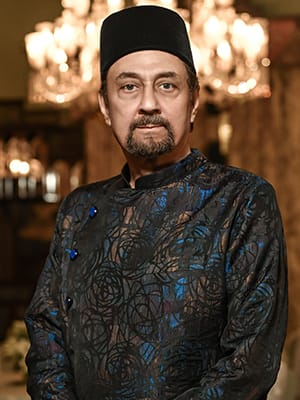
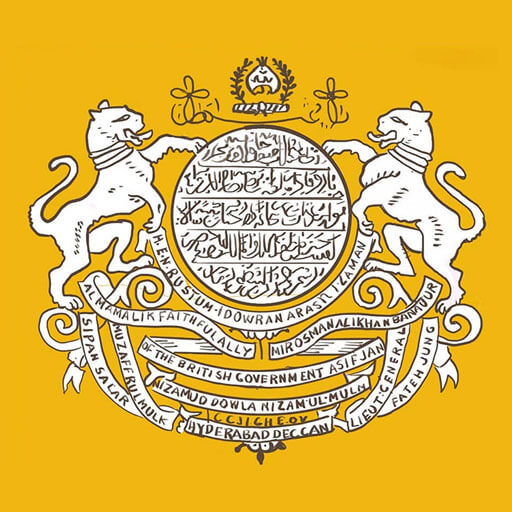
Convened by Mr. Ramana Murty, the Forum provides a platform for progressive, inclusive, and reform-oriented discourse. The inaugural session, held on September 28, 2025, was opened by Nawab Raunaq Yar Khan, democratically acknowledged by the extended Asaf Jahi family as the 9th Nizam of the Asaf Jahi lineage, where he delivered the inaugural address on interfaith harmony and India’s shared cultural heritage.
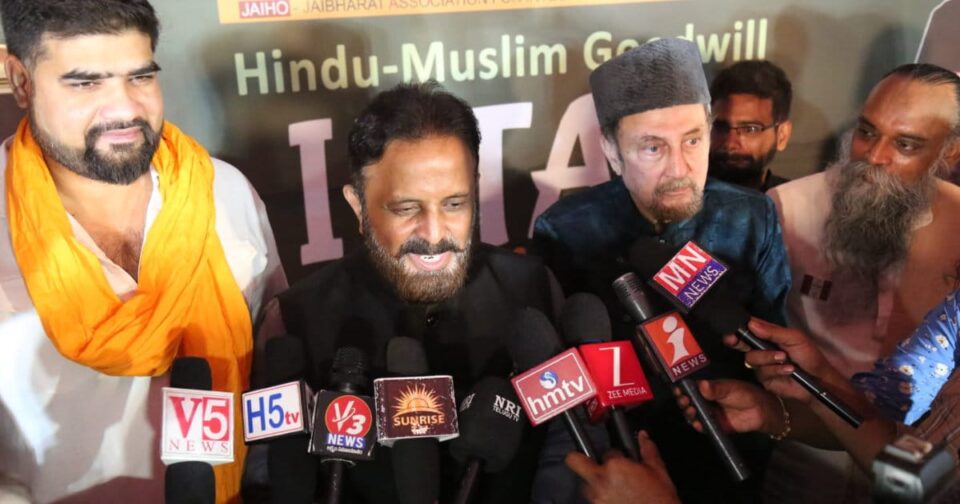
The second session welcomed Muslim participants who oppose hate, inequality, and intolerance, affirming a collective commitment to peace, social responsibility, and communal unity. This session featured Janab Abdul Qayoom Naik of Kashmir as the chief guest and keynote speaker. A poet, social reformer, harmony advocate, and Founder-President of the Sayed Educational Foundation, Mr. Naik also serves as the National Vice President of JAIHO.
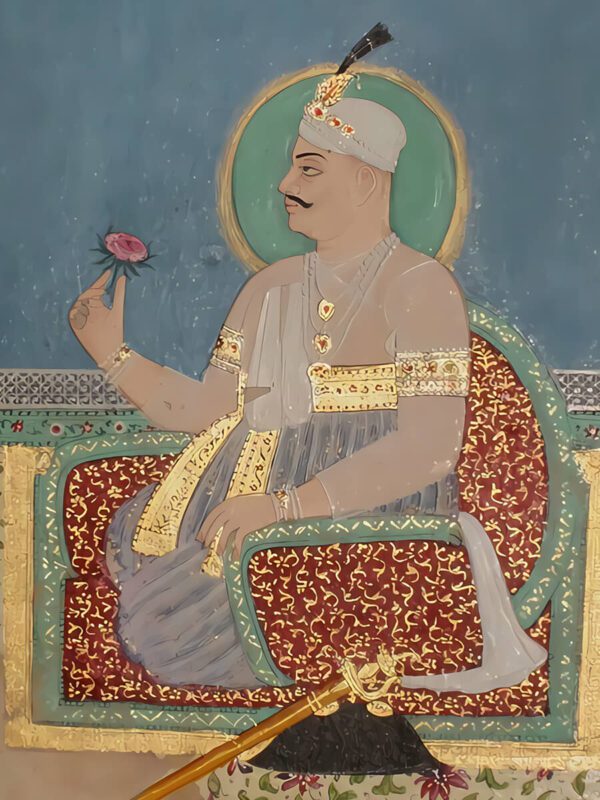
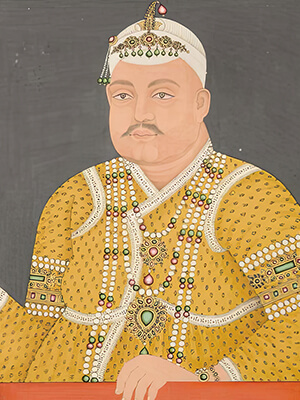
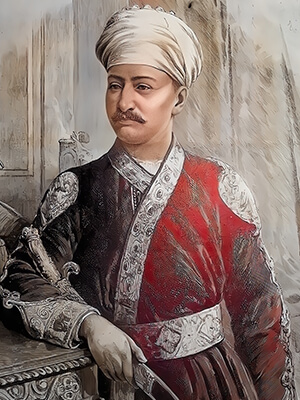
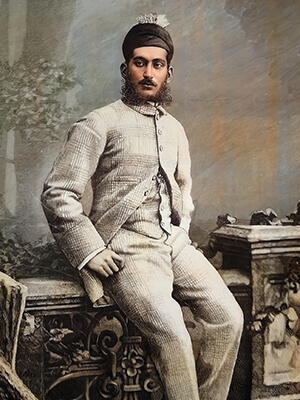
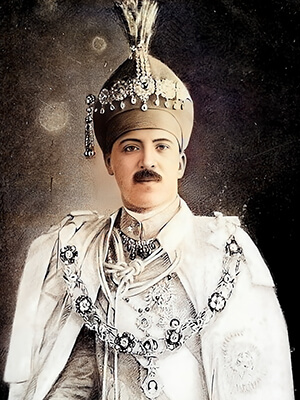
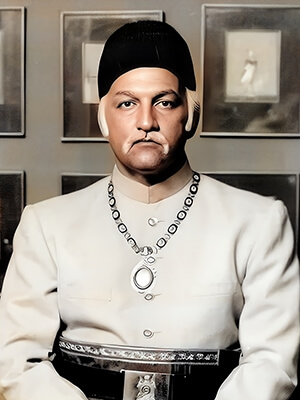
He emphasized strengthening cross-community understanding, reducing polarization, and strengthening shared bonds across regions and cultures. The participation of Nawab Raunaq Yar Khan reflects continuity of the inclusive ethos historically associated with the Asaf Jahi dynasty. His grandfather, H.H. Mahboob Ali Khan, the 6th Nizam, is widely documented as a patron of peace and secular reform in United India. Many respected scholars, including Cyril John, Dr. Sarojini Naidu, Memoirs of Cyril Jones, and remarks by Sir M. Visvesvaraya – including the well-documented act of leading a Hindu Yagna during the 1908 Musi floods – highlight this legacy of interfaith leadership.