A Legacy of Patronage and the Modern Custodian
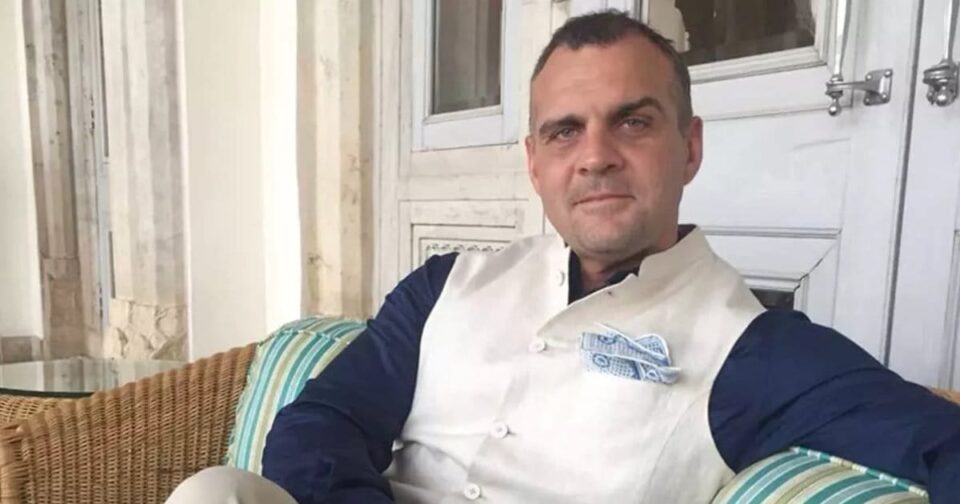
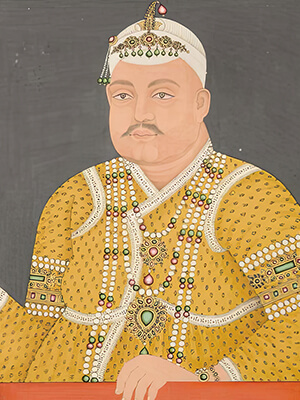
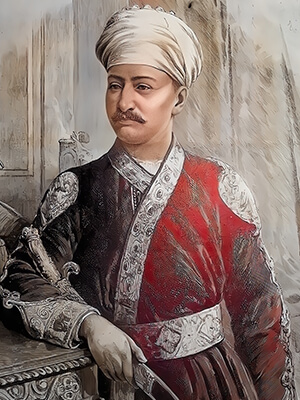
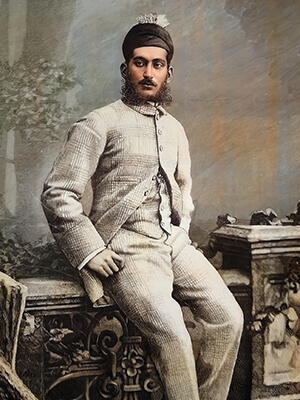
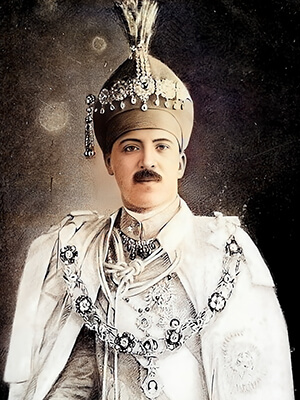
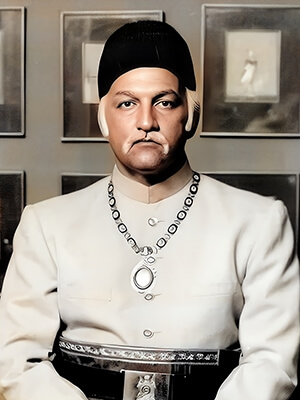
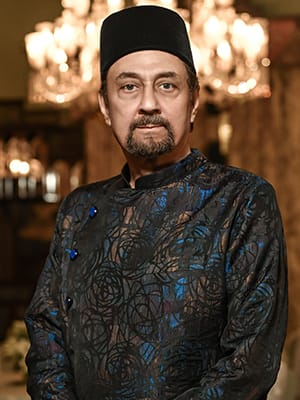
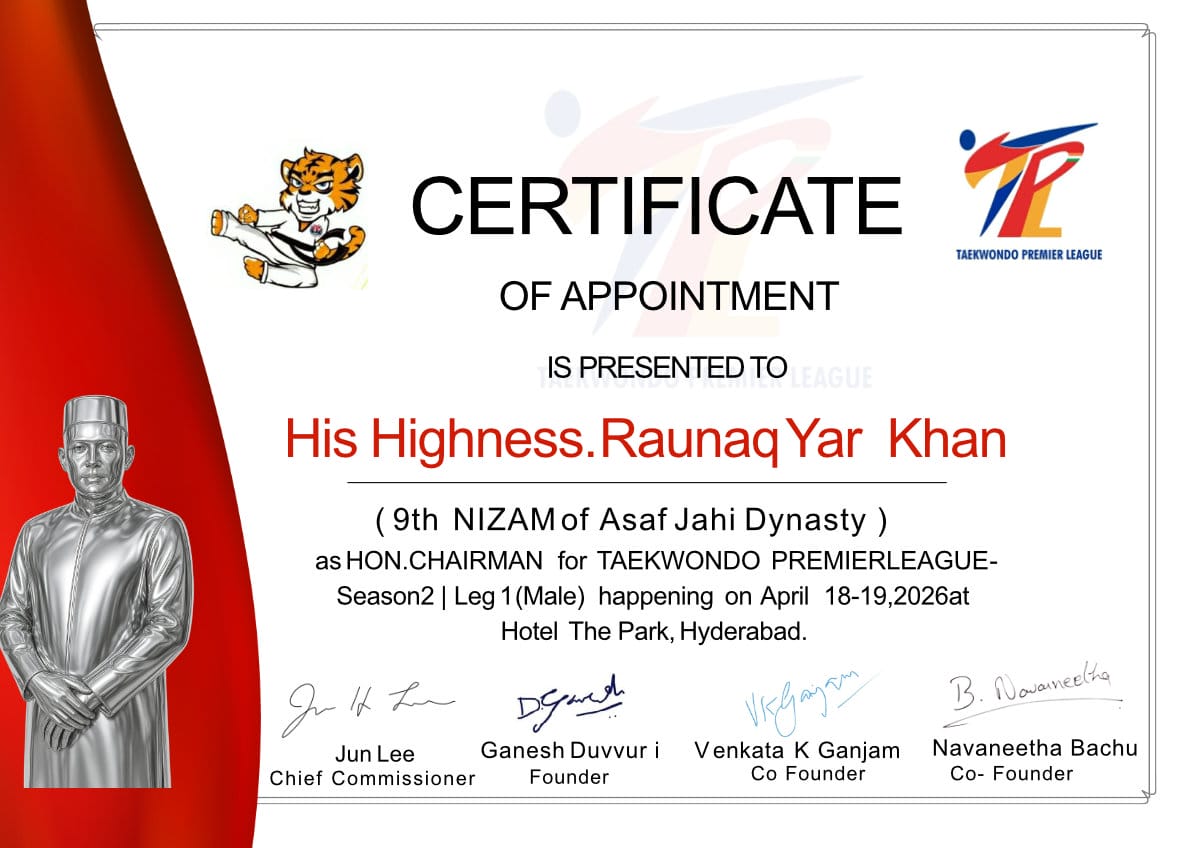
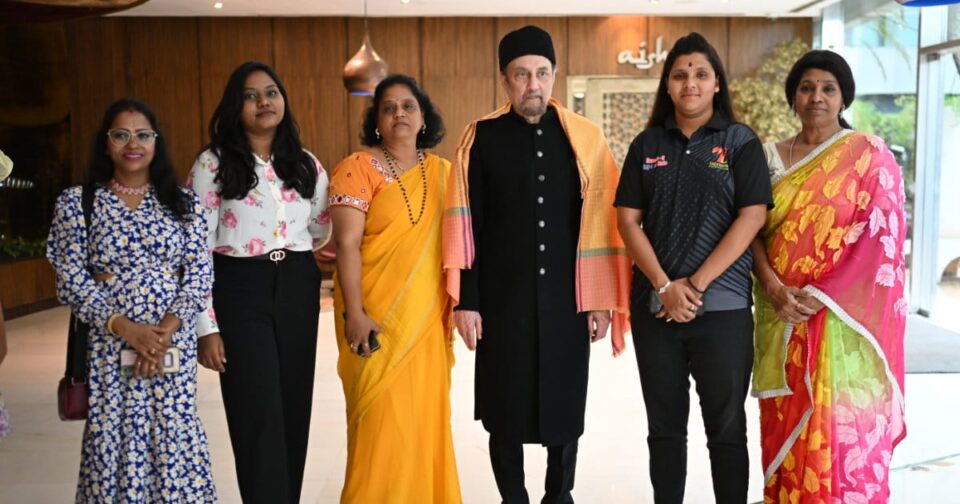
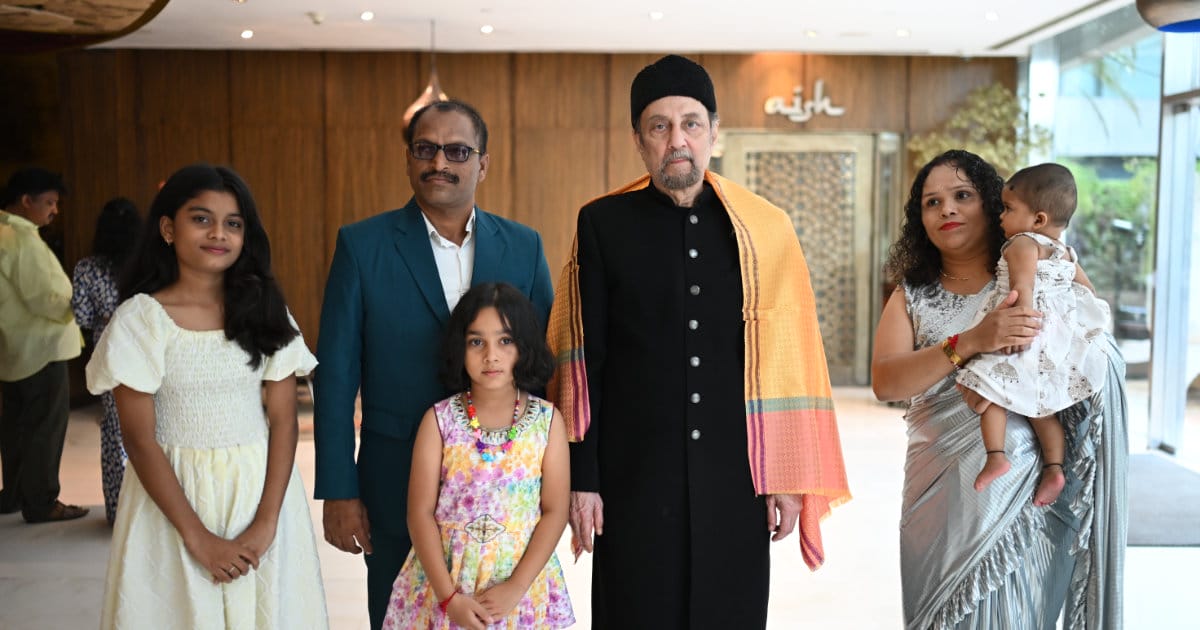
The cultivation of athletic talent and the promotion of structured sporting disciplines represent fundamental pillars of youth development and community engagement. Nawab Raunaq Yar Khan, a descendant of the Asaf Jahi dynasty, currently serves as the Honorary Chairman of the Taekwondo Premier League. His distinguished presence at the second season of the league, held at Hotel The Park in Hyderabad, underscored a profound commitment to fostering physical discipline, competitive spirit, and holistic excellence among the youth. The event successfully brought together top national and state-level players, providing a comprehensive and electrifying showcase of agility, precision, and sportsmanship.
Inauguration and Civic Collaboration at Hotel The Park
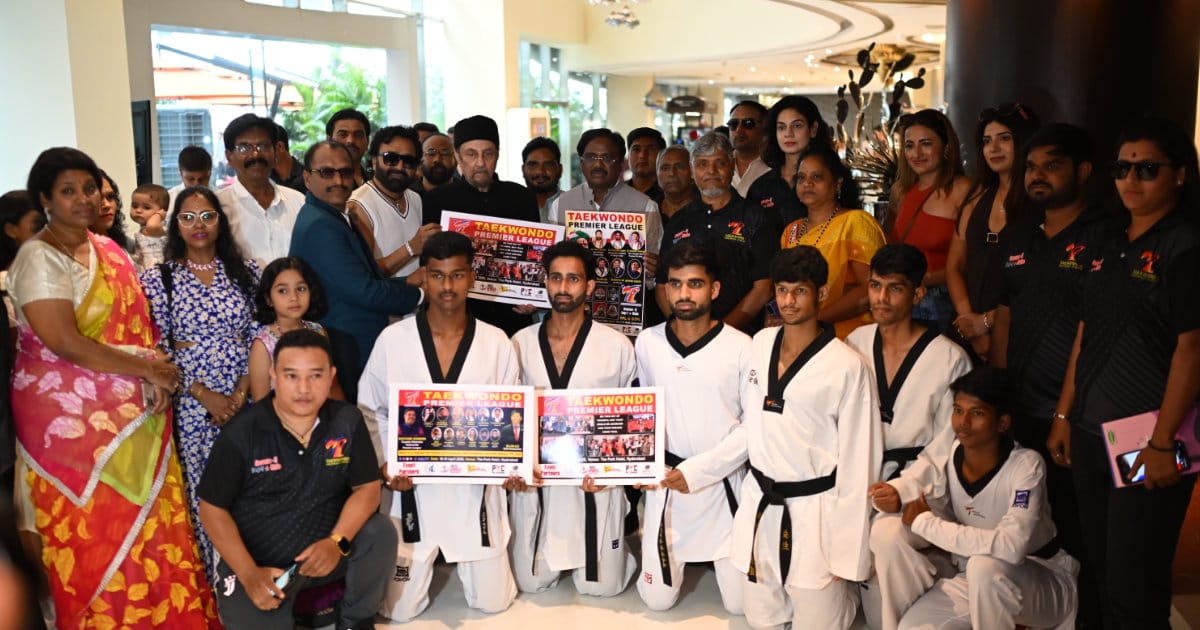
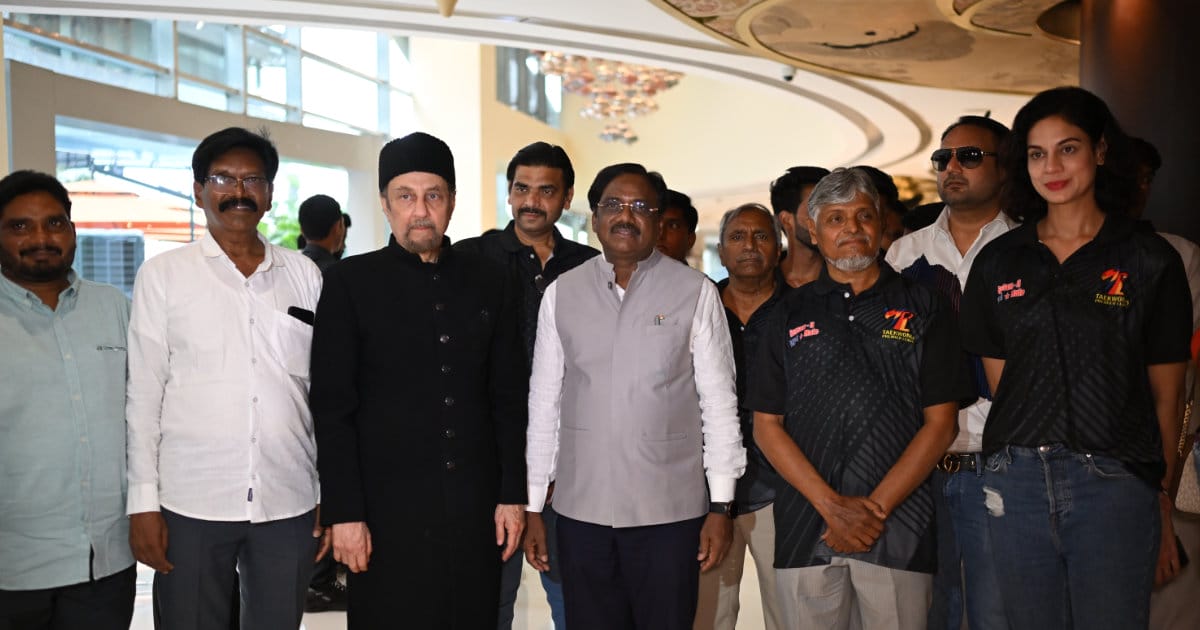
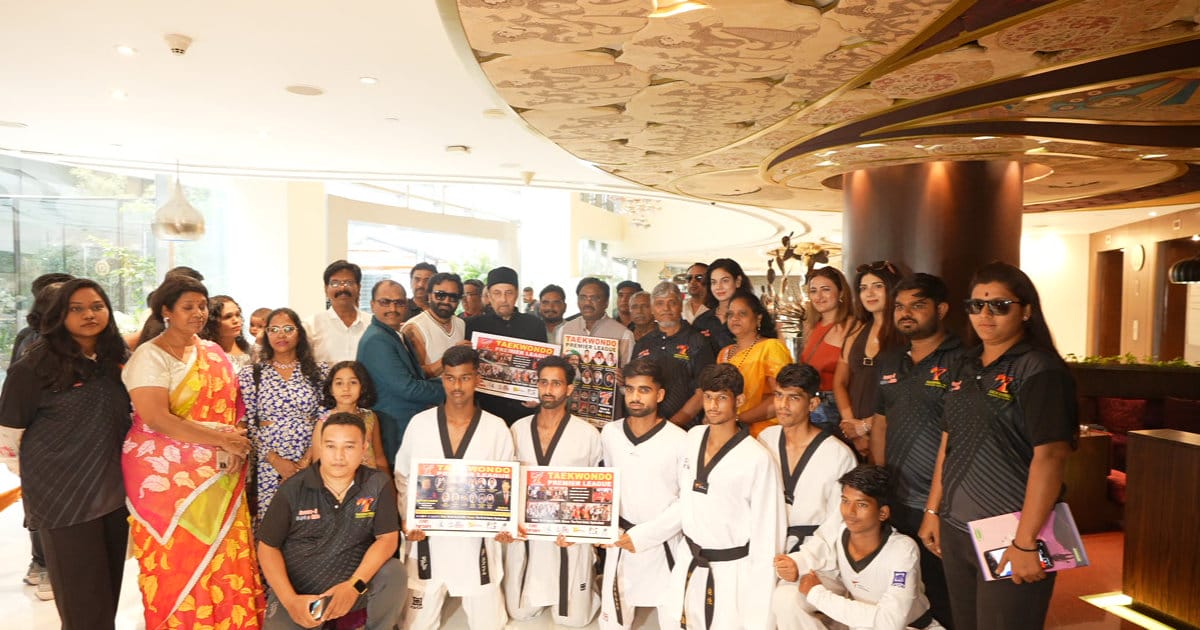
The formal inauguration of the Taekwondo Premier League Season Two was marked by significant civic, governmental, and institutional collaboration. State Labour, Employment and Mines Minister G. Vivek Venkatswamy unveiled the official poster for Leg One of the male category, highlighting the meticulous preparation behind the event. The minister explicitly articulated the growing importance of martial arts and modern competitive sports within the state of Telangana, acknowledging the profound impact such events have on the local sporting culture. The prestigious gathering was further distinguished by the presence of numerous respected officials, including Member of the Legislative Council Addanki Dayakar, former Member of Rajya Sabha V Hanumantharao, Member of the Legislative Council Madhu Sudhana Chary, and Member of the Legislative Council Banda Prakash. The convergence of civic leaders, governmental representatives, and cultural custodians highlights a highly unified and strategic approach to community development. This collective endorsement from multiple tiers of authority serves to legitimize the serious aspirations of young athletes and provides a highly structured environment wherein their diverse talents can be systematically nurtured. The presence of these dignitaries at Hotel The Park in Somajiguda provided a formal, public validation of the dedicated organizers’ relentless efforts to elevate the profile of Taekwondo across the entire nation.
The Philosophy of Taekwondo and Global Integration
Addressing the distinguished assembly, Nawab Raunaq Yar Khan noted the remarkable global expansion of Taekwondo, observing that the sport is currently practiced in over two hundred countries worldwide. This immense international proliferation speaks directly to the universal appeal of the sport and the foundational ethical principles upon which it is built. Taekwondo is steadily emerging as a modern and highly competitive sport within India, one that promotes essential life skills alongside physical prowess. The rigorous practice of this martial art requires an intense focus on physical fitness, unwavering personal discipline, and profound mental strength. These defining attributes mirror the traditional values historically associated with rigorous academic training and personal mastery. By structurally supporting such demanding disciplines, the league provides young individuals with psychological and physical tools that are applicable far beyond the strict boundaries of the competitive arena. The structured nature of martial arts training cultivates a lasting mindset of perseverance, strategic thinking, and deep respect – qualities that are universally essential for personal and professional advancement in any field. As an increasing number of young people show interest in taking up the sport professionally, the institutional framework surrounding Taekwondo in India must continually evolve to meet and exceed rigorous international standards and expectations.
The Mechanics of the Taekwondo Premier League
The sustained operational success of the Taekwondo Premier League is a direct testament to the meticulous planning, logistical expertise, and strategic vision of its core founders. Organizing a national-level martial arts league requires expertly navigating complex logistical challenges, securing appropriate high-tier venues, coordinating seamlessly with regional franchises, and ensuring the absolute highest standards of athletic safety and fair competition. The seamless execution of the event at Hotel The Park serves as an important benchmark for professional sporting management within India. The inclusion of teams from widely varied geographic regions demonstrates a comprehensive national outreach strategy that is vital for the sport’s growth. This modern franchise model not only creates strong regional allegiances and dedicated fan engagement but also radically decentralizes the identification of athletic talent. Dedicated athletes who might otherwise completely lack visibility in traditional, centralized selection processes are given a prominent, highly visible platform to showcase their refined abilities in a fiercely competitive format. The visible presence of institutional leaders and state ministers at such a meticulously planned event validates the franchise model as a highly effective mechanism for sports development at a national scale. Furthermore, the active involvement of figures like Sandeep Jain, the founder of the Telangana Risers, indicates a rapidly growing ecosystem of sports entrepreneurship that is absolutely vital for the long-term financial sustainability and structural independence of non-cricketing sports in India.
Fostering Pan-Indian Athletic Excellence
The second season of the premier league featured an intensely competitive environment, successfully drawing elite athletes from diverse and distant regions across the country. The impressive roster of participating franchises included the North East Heroes, the Telangana Risers, the Gujarat Thunders, the Bengal Tigers, the Delhi Warriors, the Maharashtra Avengers, the Haryana Hunters, and the Rajasthan Rebels. This wide, comprehensive geographical representation is strongly indicative of the sport’s growing resonance and organizational depth throughout India. Each franchise delivered power-packed bouts, thoroughly captivating the assembled audience and demonstrating exceptional technical skill alongside an unwavering fighting spirit. The dedicated organizers, crucially including founder director Ganesh Duvvuri, co-founder Venkata K Ganjam, and co-founder Navneetha Bachu, have systematically constructed a robust platform that actively bridges regional divides and unites athletes under a single, demanding common standard of excellence. The commitment of these founders has transformed localized talent pools into a cohesive national spectacle. This pan-Indian participation not only dramatically elevates the overall quality of physical competition but also significantly fosters a vital sense of national integration, cross-cultural exchange, and mutual respect among the competitors who gather in Hyderabad.
The Victory of the Delhi Challengers
Amidst the highly rigorous competition and top-tier athletic displays, the Delhi Challengers clearly emerged as the premier franchise of the inaugural leg. Expertly led by Shyam Patel of Surat, the team firmly secured the top position through their exceptional performance, technical superiority, and flawless strategic execution. Their ultimate victory represents the logical culmination of intense physical training, meticulous tactical preparation, and an unwavering psychological focus that withstood the pressures of the national stage. Nawab Raunaq Yar Khan had the distinct honor of formally presenting the prizes to the winners, officially acknowledging their immense dedication and the exceptionally high standards they have now set for all future competitors. The public recognition of such exceptional talent by the honorary chairman and the assembly of distinguished guests serves as a powerful, enduring motivational catalyst for all participating athletes across every franchise. The undeniable success of the Delhi Challengers profoundly underscores the effectiveness of structured coaching methodologies and the vital importance of providing athletes with a professional, unbiased stage to formally demonstrate their capabilities. Their remarkable achievement will undoubtedly inspire competing teams to rigorously refine their own training methodologies and dramatically elevate their performance in all subsequent iterations of the league.
Pathways to International Competition
A primary, strategic objective of the Taekwondo Premier League is to intentionally create structured athletic opportunities that extend far beyond domestic borders and national limitations. Minister Vivek strongly emphasized that the domestic league serves as a vital, rigorous selection and preparatory platform for ambitious athletes aspiring to compete on global stages. Specifically, the domestic competition is meticulously designed to identify and refine talented individuals for the upcoming Global International Premier League. This major international sporting event is scheduled to take place in the Philippines, with specific engagements also planned for Manali, operating from June twenty-five to June twenty-eight. By intentionally aligning domestic leagues with highly competitive international calendars, the organizers guarantee that Indian athletes gain the necessary, crucial exposure to global competitive standards and international judging criteria. This clear structural pathway is absolutely essential for developing a deeply rooted sporting culture capable of consistently producing dominant champions at the highest echelons of international martial arts. The difficult transition from national recognition to global participation requires rigorous, systematic preparation, and the Taekwondo Premier League successfully provides the necessary institutional crucible for this complex developmental process.
Reflections on Legacy and Continuity
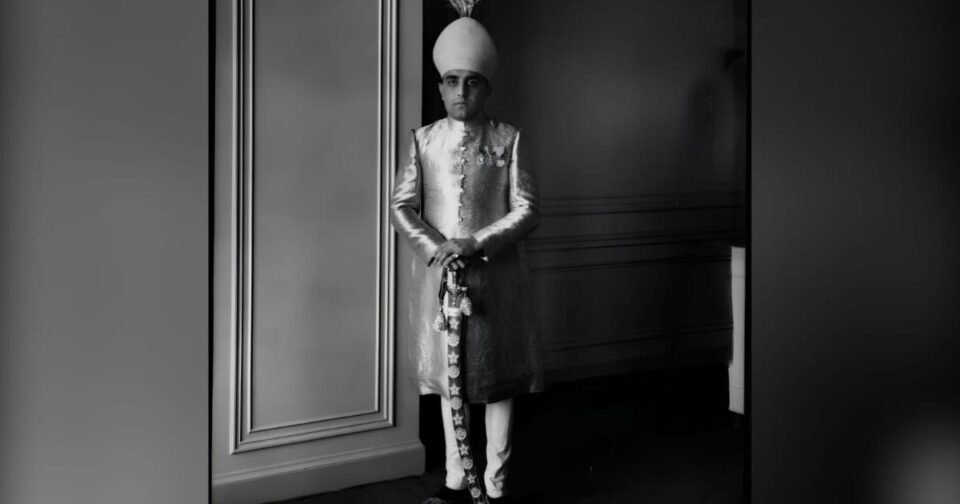
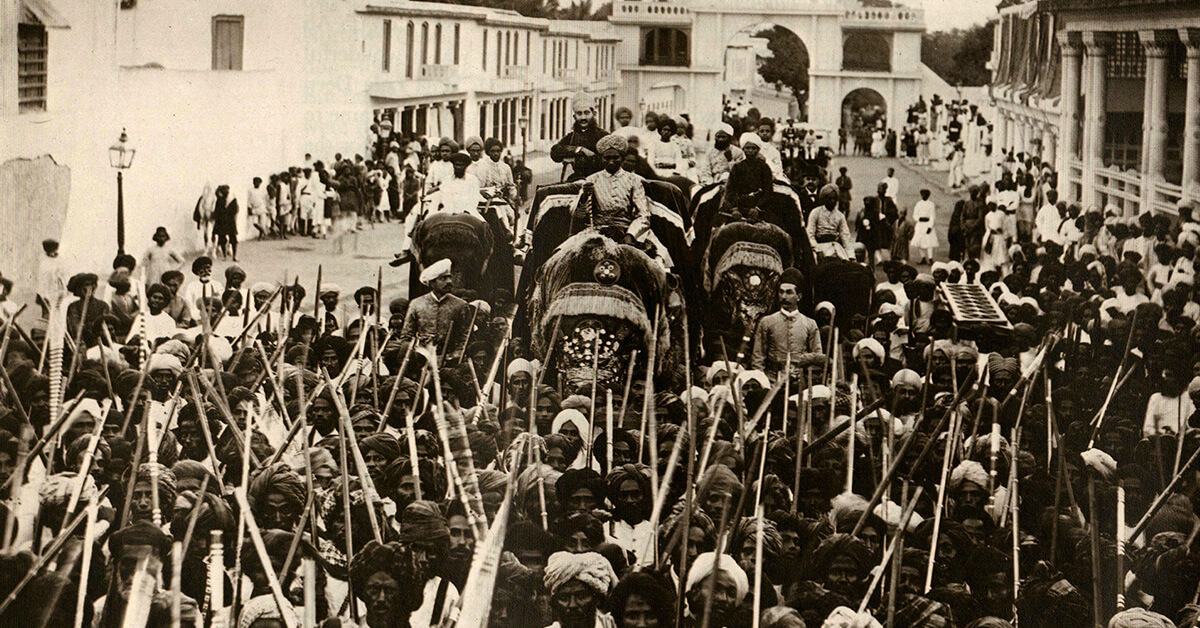
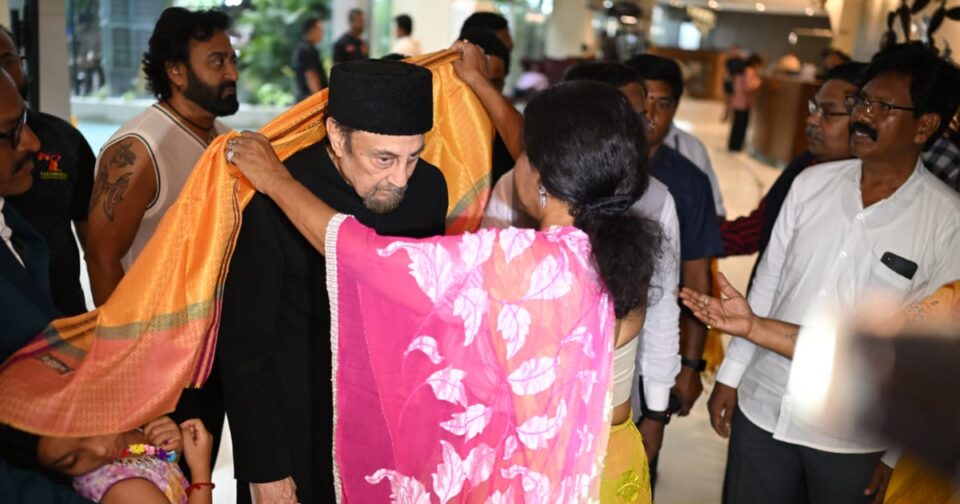
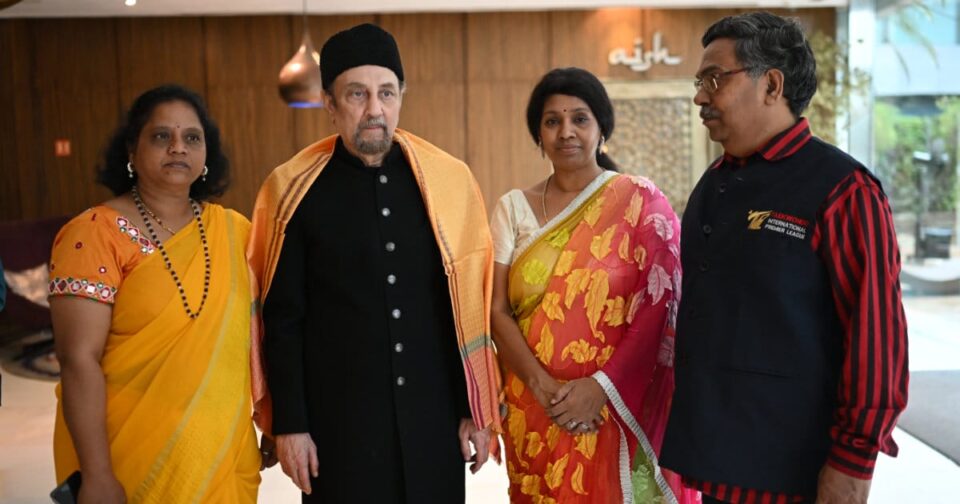
The formal conclusion of the Taekwondo Premier League Season Two in Hyderabad was definitively not merely the end of a standard sporting tournament; it was a profound, multi-layered celebration of physical discipline, civic collaboration, and human potential. The highly dynamic evening, accurately characterized by a visually vibrant opening ceremony and subsequent action-packed competitive bouts, thoroughly delivered on its foundational promise of athletic excellence. The distinguished presence of Nawab Raunaq Yar Khan, standing alongside esteemed government ministers and highly dedicated organizers, successfully created an atmosphere of profound institutional gravity and historical weight. The documented success of the Delhi Challengers, the unwavering commitment to comprehensive women’s self-defense training, and the establishment of a clear, actionable pathway to the global competitions scheduled in the Philippines all point firmly toward a highly structured, exceptionally promising future for Indian martial arts. As the formally designated symbolic custodian of the Asaf Jahi legacy, Nawab Raunaq Yar Khan’s active participation perfectly exemplifies the enduring relevance and modern utility of historical continuity when it is thoughtfully applied to the practical empowerment of the next generation. The league firmly stands as a permanent testament to what can be successfully achieved when rich cultural heritage, dynamic private enterprise, and robust government support seamlessly converge to foster outstanding human excellence and build a stronger, healthier society.