H.H. Nawab Raunaq Yar Khan and the Living Inheritance of the Asaf Jahi Dynasty
There is a story about a dynasty that most people think ended. It did not end. It changed course – the way rivers do when the landscape shifts around them, finding new permissible and welcoming channels through altered terrain, carrying the same water forward.
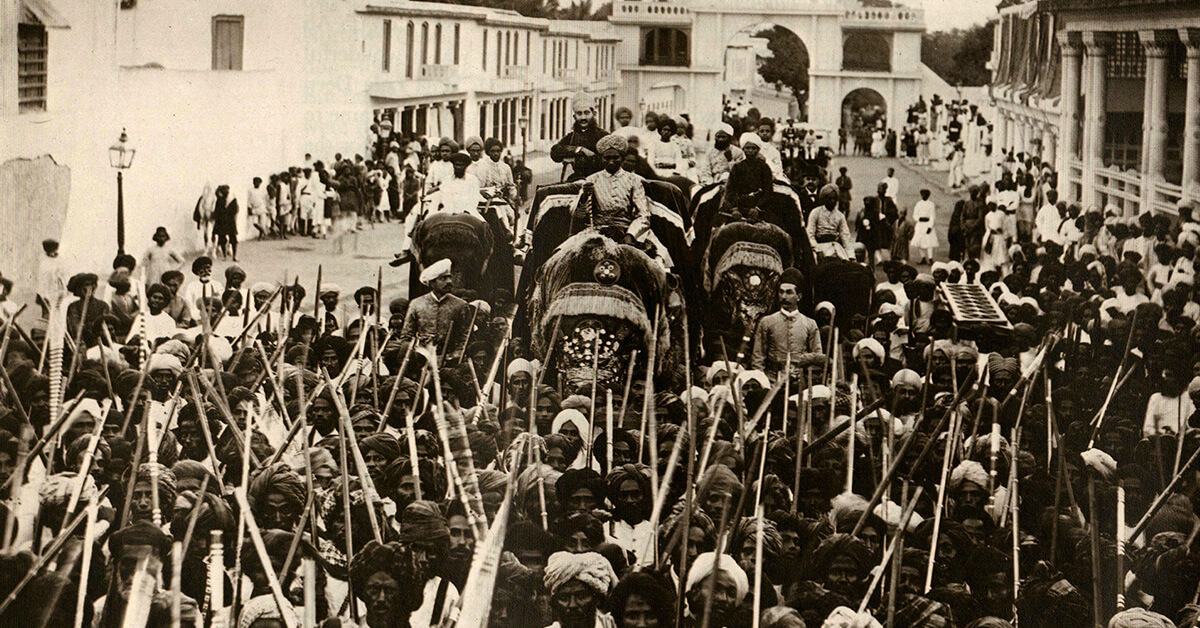
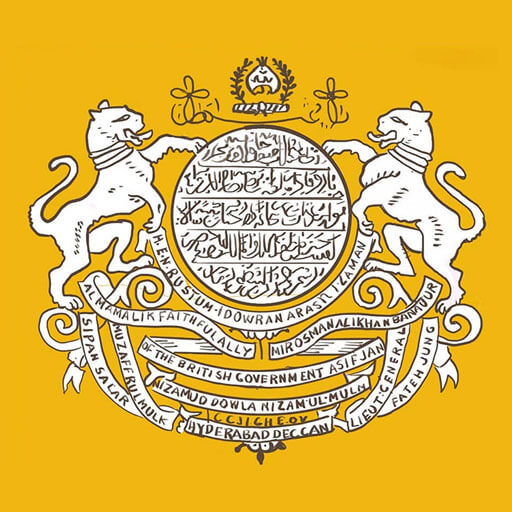
The Asaf Jahi dynasty governed the Deccan for more than two centuries. It produced rulers who took over from those that commissioned the Charminar, funded the restoration of Ajanta and Ellora, and gave Hyderabad a civic identity so distinctive that the city has spent the decades since 1948 collectively trying to hold onto it. On the night of September 17, 1948, the Indian Army’s Operation Polo ended the princely state in four days. The Nizam surrendered. The state dissolved. The dynasty remained.
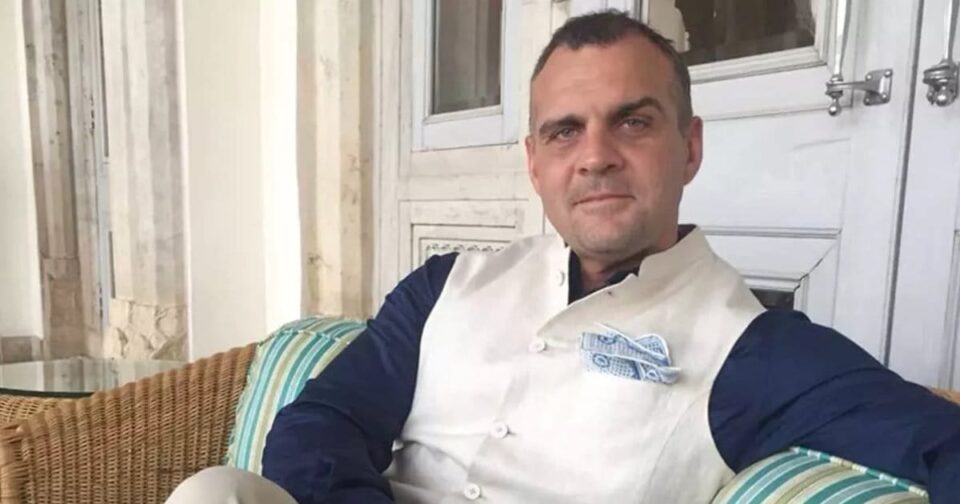
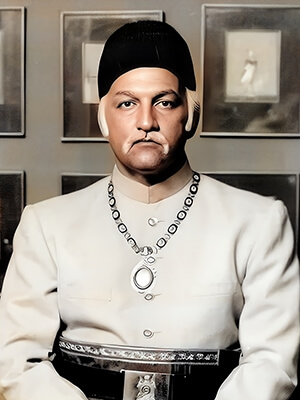
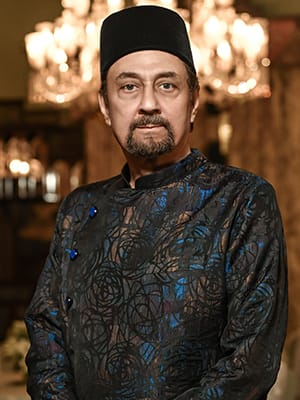
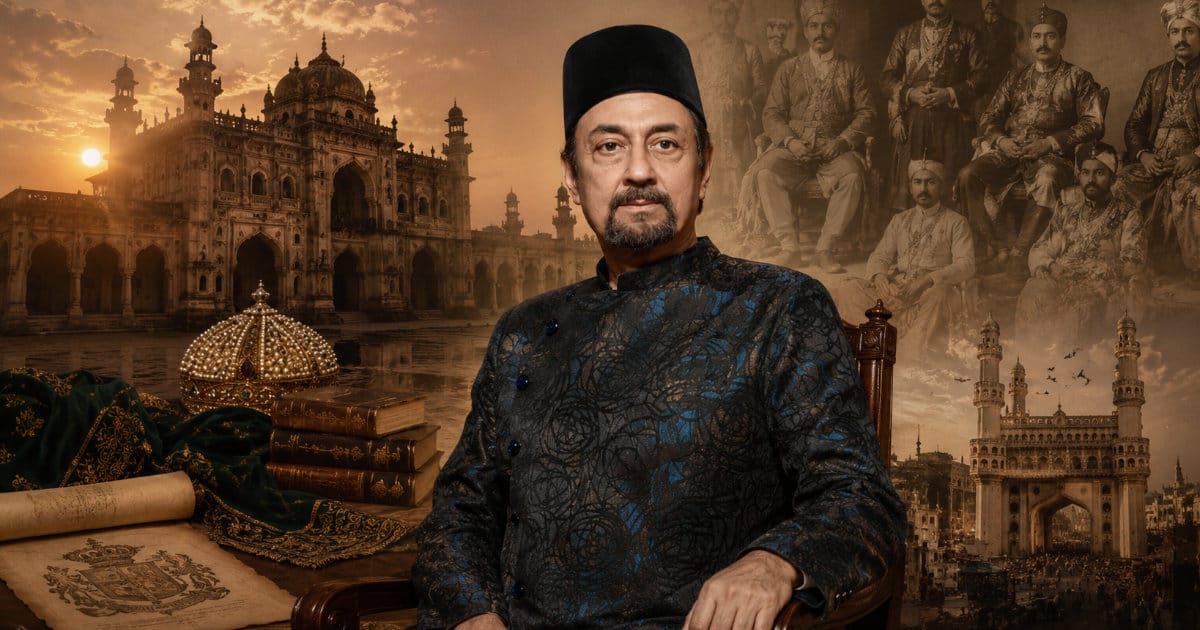
H.H. Nawab Raunaq Yar Khan, Symbolic Custodian and IXth Nizam of the Asaf Jahi Dynasty, is the democratic consensual answer Hyderabad’s extended royal family arrived at in 2023. They wanted a functional Nizam at least to guide them in democratic India. Understanding why requires going further back than most accounts bother to go.
The History They Left Out
The Asaf Jahi dynasty did not have seven Nizams. It had ten rulers on the Deccan seat. The conventional count begins with founder Qamar-ud-din Khan and skips three rulers who came immediately after his death in 1748 – Nasir Jung, who ruled as his father’s 2nd son; Muzaffar Jung, the founder’s favourite chosen replacement, his grandson through his daughter Khair Unnisa, whom Qamaruddin had groomed and positioned above six living sons; and Salabat Jung, the founder’s third son, who ruled for eleven years yet is not mentioned as Nizam – inexplicably. Many references exist but the rationale for their omission has not been publicised.
The omission was not accidental. Historical research presented at the three-day international conference on 300 years of Asaf Jahi rule 1724–2024, held in January 2025 at Veeranari Chakali Ilamma Women’s University, points to a likely explanation: Nizam Ali Khan – the youngest son, whose mother was strongly suspected of poisoning the eldest son Ghazi Jung, and who himself killed Salabat Jung – had every reason to erase his predecessors. The play of foreign powers in installing the missing Nizams needed no give and take in terms of titles, particularly from the weakened Mughals.
This matters because it demolishes the primogeniture argument entirely. The founder chose a grandson over six sons. The last ruling Nizam chose a grandson over his own two sons. The dynasty’s history is a history of choosing fitness over birth order. The Nizams, proud direct descendants of Abu Bakr Siddiq, the 1st Caliph chosen by consensus, with utter reverence to the Prophet’s bloodline that ran through a daughter – had this foundation principle in their blood.
What Ijma Actually Means
The appending of “Siddiqui” to Asaf Jahi names is a proud genealogical statement. The dynasty traces its lineage to Abu Bakr al-Siddiq, the first Caliph of Islam. Abu Bakr did not become Caliph by birthright or even bloodline. What emerged after the Prophet founder of Islam passed – through the gathering at Saqifah, through the assertion of trust – was a decision arrived at by Ijma: consultative consensus. Abu Bakr’s claim rested on his standing as the capable foremost disciple. The Prophet’s irrefutable bloodline continued through his daughter Fatimah, which included some of Islam’s most revered descendants. The founding precedent of Islamic succession is therefore non-patrilineal, merit-based, dependent on community recognition – not on eldest sons downwards as pitched popularly in fairytale fables and folklore.
When the extended family gathered in 2023 to determine who would carry custodial responsibility forward, they invoked the same principle of their own revered direct ancestors. They did not even need to call it Ijma to be doing exactly what Ijma describes.
Two Lines, One Person
H.H. Nawab Raunaq Yar Khan was born on April 13, 1960, at Viqar-ul-Umra Palace in Begumpet, Hyderabad. His maternal grandmother Dawood Unnisa Begum was the daughter of Mir Mahboob Ali Khan, the VIth Nizam, and sister of Mir Osman Ali Khan, the VIIth Nizam. His maternal grandfather Nawab Nazeer Nawaz Jung was a great-grandson of Afzal-ud-Daulah, the Vth Nizam, and a Paigah noble. Two Asaf Jahi streams in a single maternal lineage.
His paternal ancestors were cousins of the 1st Nizam, both Subedars of neighbouring Subahs in Samarkand before either family arrived in the Deccan. When Maratha pressure intensified, Qamar-ud-din Khan personally travelled to Surat to receive his cousin – kin reaching for kin in difficulty. That cousin’s two sons, Khader Yar Khan and Jafer Yar Khan, became part of the dynasty’s institutional fabric, holding simultaneous ministerial responsibility for health, law, and religion across consecutive generations, and counselling the relocation of the capital from Aurangabad to Hyderabad – the decision that gave the city three centuries of its identity. According to a genetic genealogist in the United Kingdom, Nawab Raunaq Yar Khan carries documented connections to at least half a dozen royal lineages across seven centuries.
The Man Who Stayed
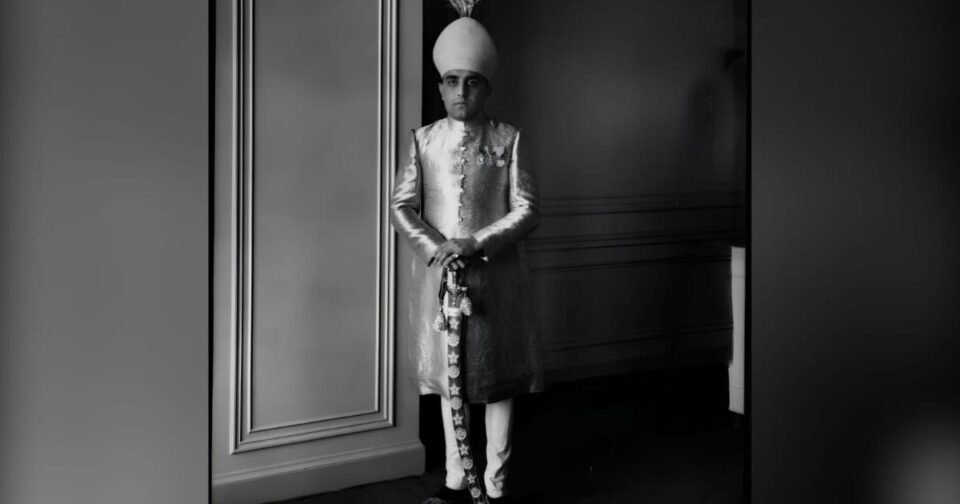
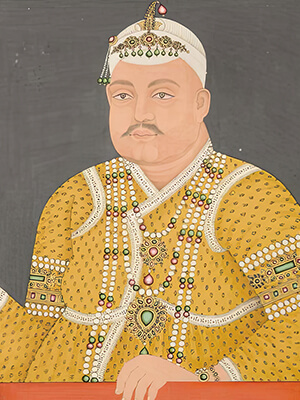
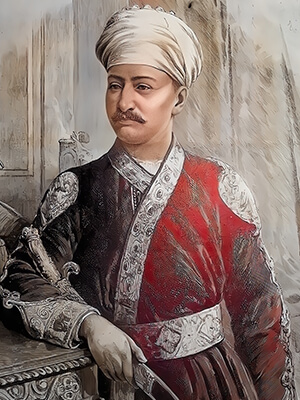
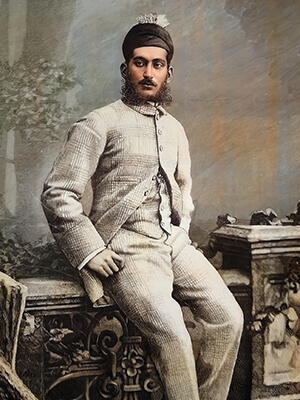
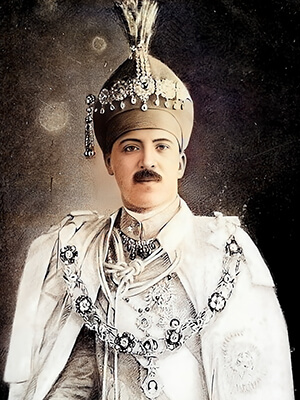
Mir Mahboob Ali Khan – his great-grandfather, the VIth Nizam – governed Hyderabad from age two years and eight months until 1911. Cyril Jones, a British railway engineer, described him in his memoirs as something approaching a regional deity in temples that still exist in what is now Maharashtra. During the devastating 1908 Musi floods, Visvesvaraya documented him performing a Hindu Yagna personally in the raging waters. A book titled The Untold Charminar, which includes Sarojini Naidu’s letters, mentions Mahboob was considered a saint across faiths. Days of the Beloved is devoted entirely to this quality. He was not feared. He was liked – by every community, across every fault line. The word used most often is “beloved.”
When Mukarram Jah died in Istanbul in January 2023, the 4,500-member Majlis-E-Sahebzadagan – established in 1932 by Mir Osman Ali Khan himself – gathered at Khaja ka Chilla in Mughalpura. The rumi caps were worn. The Shahi Imam-e-Zamin was presented. The Asaf Jahi flag was unfurled. They chose Nawab Raunaq Yar Khan.
Why him? Because he was here. While the VIIIth Nizam spent his decades in Australia, London, and Istanbul – on record as saying of his Australian property, “I love it. There isn’t a bloody Indian in sight” – Nawab Raunaq Yar Khan remained in Hyderabad. At his estate in Jubilee Hills. At his mosque in Begumpet. At interfaith gatherings he organised and funded. He was simply living in the city his family had governed, with the accessibility and presence that the VIth Nizam had modelled a century before.
The title “IXth Nizam of the Asaf Jahi Dynasty” is not a claim to sovereignty. It is a custodial designation – arrived at through democratic process, consistent with Ijma, recorded on court-admissible documentation. “Nizam of Hyderabad” ceased to be a constitutional reality in 1971. The adaptation is an honest acknowledgment: not the ruler of a state, but the head of a family chosen by that family. The factual historical precedent – that even the Prophet’s own bloodline ran through a daughter, that Ijma not descent is the Islamic foundation of legitimate authority – rules these decisions still.
Nawab Raunaq Yar Khan is a bachelor with no children. Whatever is recovered through legal proceedings belongs to the extended family under Sharia law – to every eligible heir in legally defined proportions. He is not accumulating. He is administering on behalf of others. The family comes to him with problems he cannot always solve. He funds legal battles from his own pocket when he can. He bears witness when he cannot. He does not have the machinery of a party or the authority of a government office. What he has is presence, lineage, and a willingness to show up for things no one else is showing up for.
The title has changed. The state is gone. The dynasty continues.
Dynasties do not need states to survive. They need someone willing to stay.