How a 90-year-old welfare institution became the democratic conscience of India’s most storied dynasty
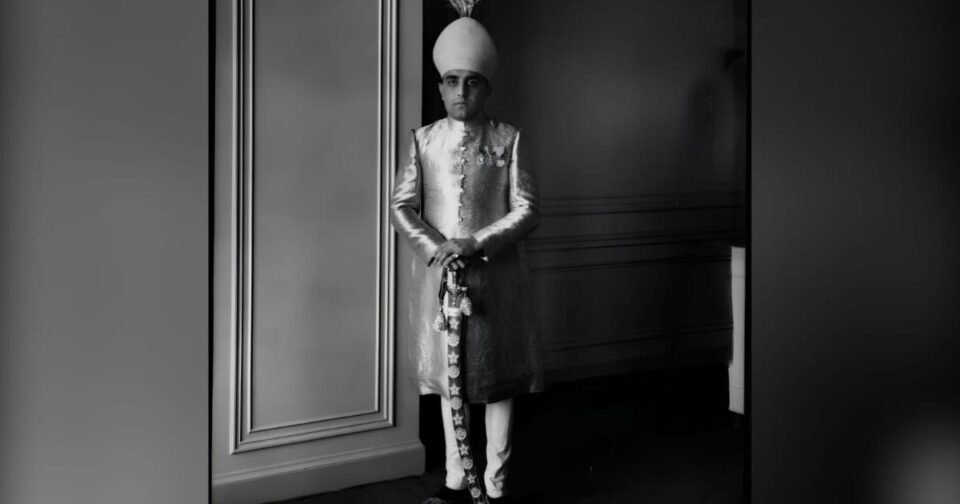
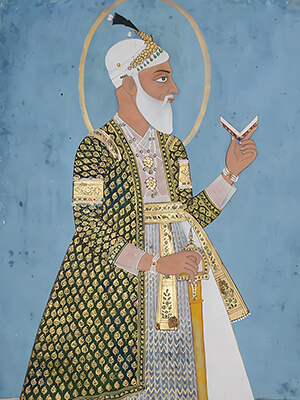
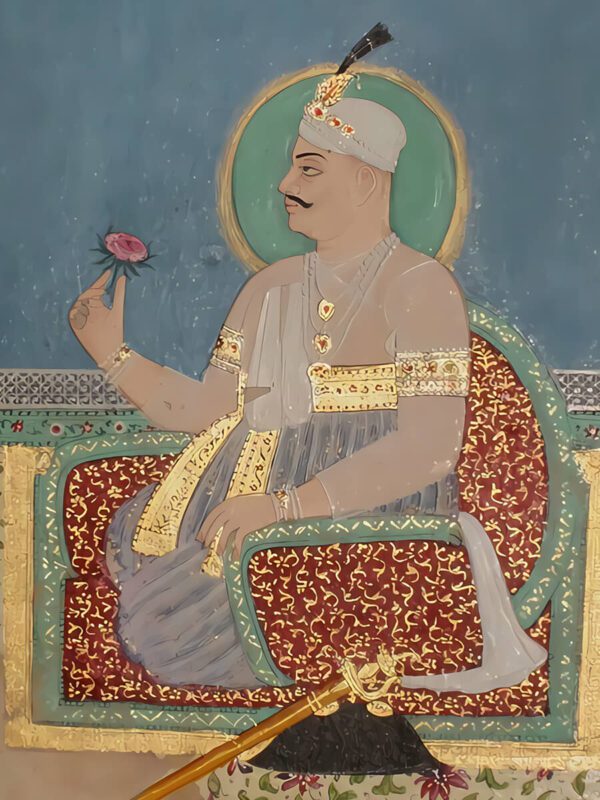
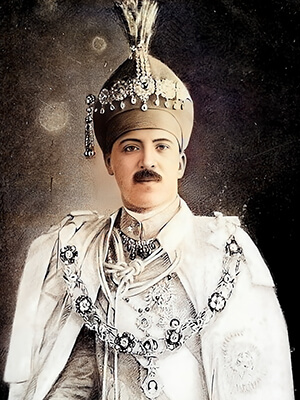
In 1932, Mir Osman Ali Khan – the seventh Nizam of Hyderabad, at that point the ruler of the largest and wealthiest princely state in India – did something that rulers rarely do. He looked at the sprawling extended family his dynasty had produced across two centuries of governance and asked a question that was more welfare officer than monarch: who is taking care of these people?
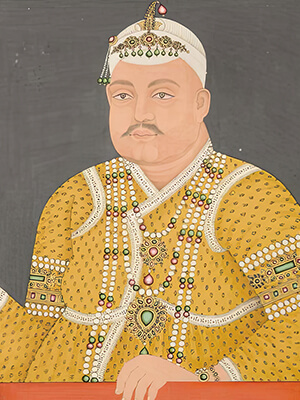
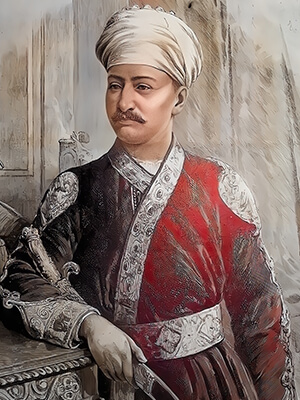
The answer, at the time, was nobody in particular. The dynasty had produced descendants across six ruling generations – Sahebzadas and Sahebzadis, princes and princesses of the Sarf-e-Khas, the royal household trust – spread across Hyderabad and beyond, each carrying the lineage of the Asaf Jahi name, many carrying very little else. The trusts and endowments established across the dynasty’s history were diffuse, poorly coordinated, and frequently inaccessible to the people they were theoretically meant to serve.
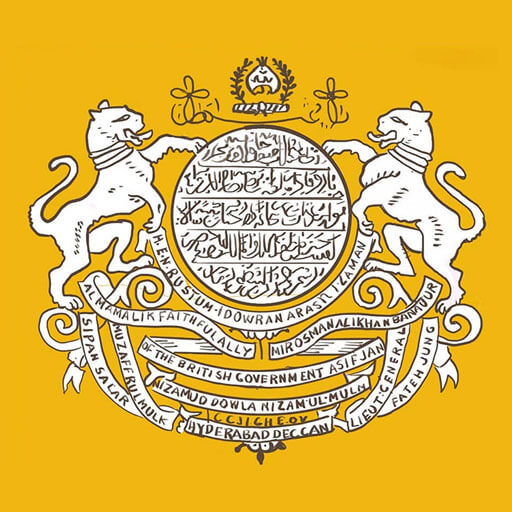
Mir Osman Ali Khan’s response was practical and institutional. He established the Majlis-E-Sahebzadagan – the Assembly of Descendants – as a formally constituted welfare body with a clear and stated mandate: the development, upliftment, and welfare of the Mursheedeen Sahebzadagan, the recognised descendants of the Asaf Jahi dynasty from the first through the sixth Nizam. Eighteen years later, he reinforced its legal foundation through the Trust Deed Validation Act of 1950, giving the Majlis a statutory basis alongside its registration as a civil society body.
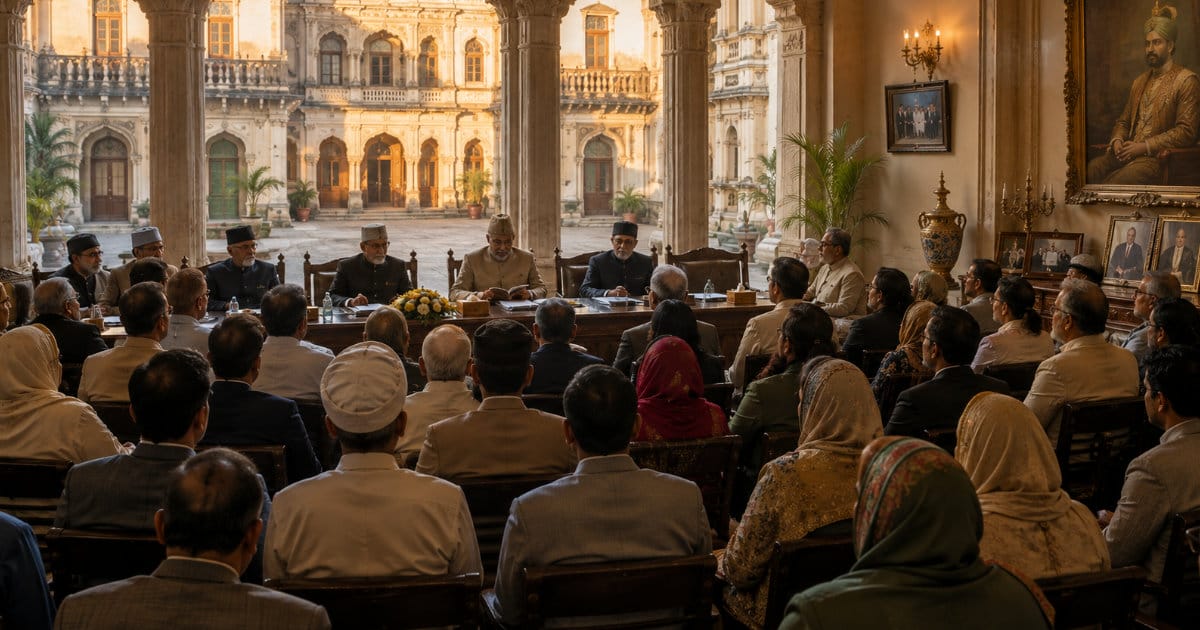
That institution is now ninety-three years old. It is still functioning. And in January 2023, it did something its founder could not have anticipated but would almost certainly have recognised as consistent with the principles he built into it: it gathered, deliberated, and chose.
What the Majlis Actually Is
The Majlis-E-Sahebzadagan is not a ceremonial body activated for the occasion of a succession question. It is a registered civil society organisation – Reg. No. 1089/2020 – with documented membership, elected officers, formal resolutions, and legal standing in Indian courts. Its membership represents the Sahebzadas and Sahebzadis of the Sarf-e-Khas Mubarak – the successive descendants of the Asaf Jahi dynasty, also known as Wakful Aulad under the Trust Deed – spanning three centuries of lineage and numbering in the thousands.
Its operational mandate is practical and ongoing. The Majlis provides education support to Sahebzadagan family members. It organises welfare programmes – poetry shows, Mushairas, sports activities – designed to encourage and morally support a community navigating post-monarchical circumstances without institutional resources proportionate to their numbers. It runs development programmes for young Mursheedeen Sahebzadagan, helping them find paths in education, sport, and civic life. It represents the Sahebzadas and Sahebzadis “in all fronts” – in the words of its own constitutional documents – to keep the Sahebzadagan community’s standing intact in a fast-changing world.
This is a welfare institution with a ninety-three-year track record of continuous operation. Its legitimacy does not derive from the outcome it reached in 2023. It derives from nine decades of documented service to the community it represents.
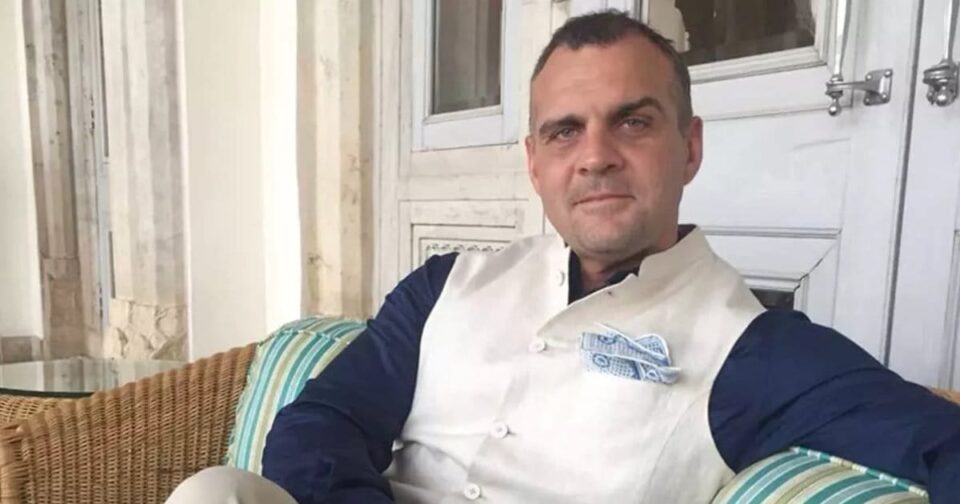
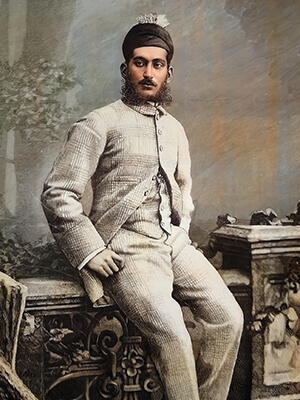
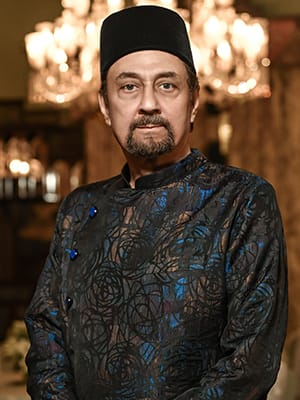
When the Majlis gathered in early 2023 and passed a formal resolution designating H.H. Nawab Raunaq Yar Khan as Symbolic Custodian and IXth Nizam of the Asaf Jahi Dynasty, it was acting within its established mandate – as the representative body of the dynasty’s broadest constituency, exercising the consultative function it was built to perform. The City Civil Court’s 1999 directive in O.P. 147/1995 had required that decisions concerning the family’s trusts and institutions be made with the consensus of legal heirs of Nizams I to VI. The Majlis-E-Sahebzadagan remains the principal registered body representing descendants of Nizams I through VI.
The Stakes: What Hyderabad’s Tehzeeb Actually Means
To understand why the Majlis’s decision matters beyond the dynasty’s internal affairs, it is necessary to understand what the dynasty’s legacy actually represents in Hyderabad’s civic life.
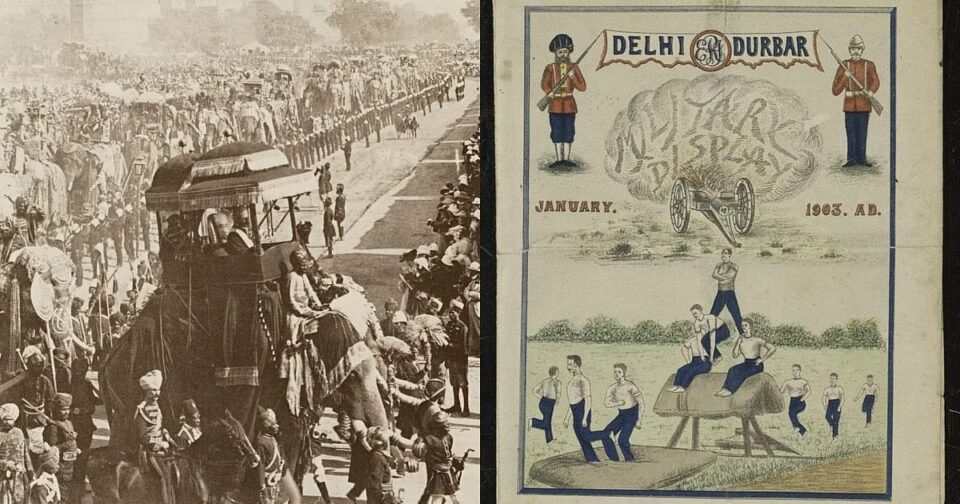
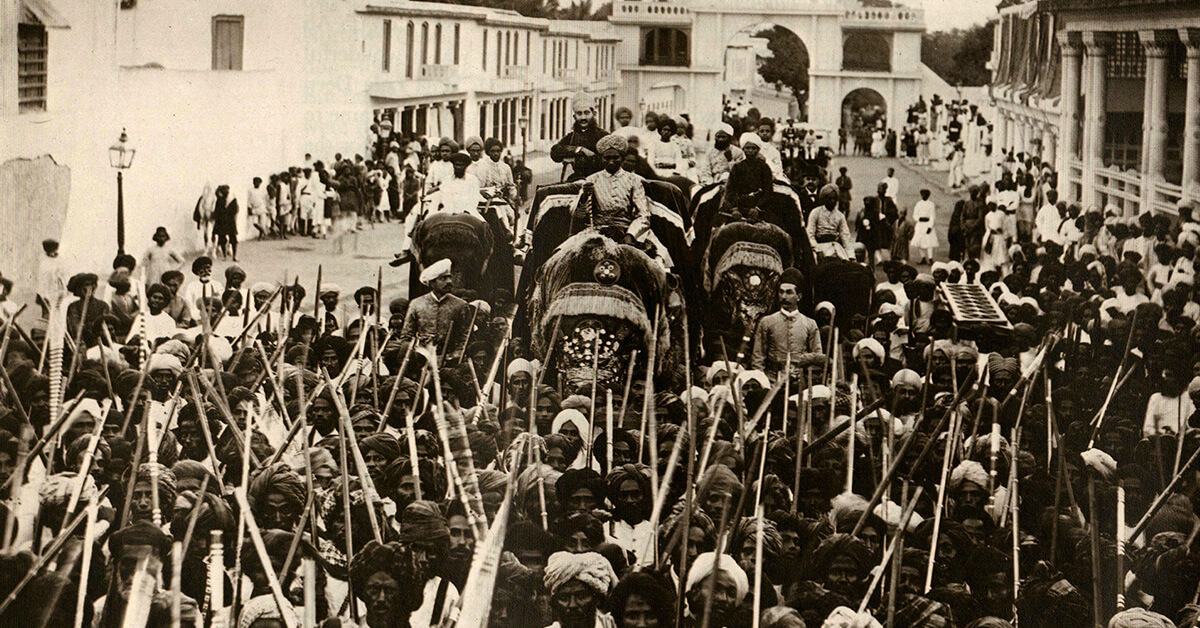
Hyderabad was founded in 1591 and has spent most of its history defying the assumption that religious and cultural difference must produce division. The Asaf Jahi dynasty, which governed from 1724 until 1948, inherited this plural city and made a consistent governing choice: to treat its diversity as a resource rather than a problem.
The results are visible across the city’s physical and cultural fabric. Temples funded by the Nizam’s treasury. Churches and gurdwaras supported alongside mosques. A court culture that drew poets, administrators, architects, and scholars from every tradition simultaneously. The Nizami cuisine that belongs to no single community. The Urdu that carries Farsi and Sanskrit and Telugu within it. The architectural vocabulary that produced Chowmahalla and Falaknuma – each a synthesis that could only have emerged from a culture comfortable with multiple inheritances.
What Hyderabadis call Ganga-Jamuni tehzeeb – the confluence of Hindu and Muslim traditions into something neither owns completely – is not a slogan. It is a lived civic reality that the dynasty helped construct and that the city has been working to preserve ever since. The dynasty’s custodian carries this inheritance not as a claim to credit but as a responsibility to keep it visible and active in a city watching its composite character come under pressure.
The Work That Demonstrates the Claim
H.H. Nawab Raunaq Yar Khan had not waited for any designation before doing the work that designation requires. The work was already underway.
For five decades, the annual Holi celebrations at his estate in Jubilee Hills have brought together Hyderabadis from every community and faith. These gatherings were not staged as demonstrations of interfaith virtue. They were simply continuations of what the city has always known how to do. On March 17, 2025, the same estate was the venue for the JAIHO Hindu-Muslim Goodwill Iftar – hosted by the Jaibharat Association for Integrity, Harmony and Oneness. As Chief Guest, H.H. Nawab Raunaq Yar Khan spoke not about dynasties or succession but about active responsibility. “India’s strength lies in the fact that we do not merely coexist – we live together. That shared humanity is our greatest responsibility to protect.”
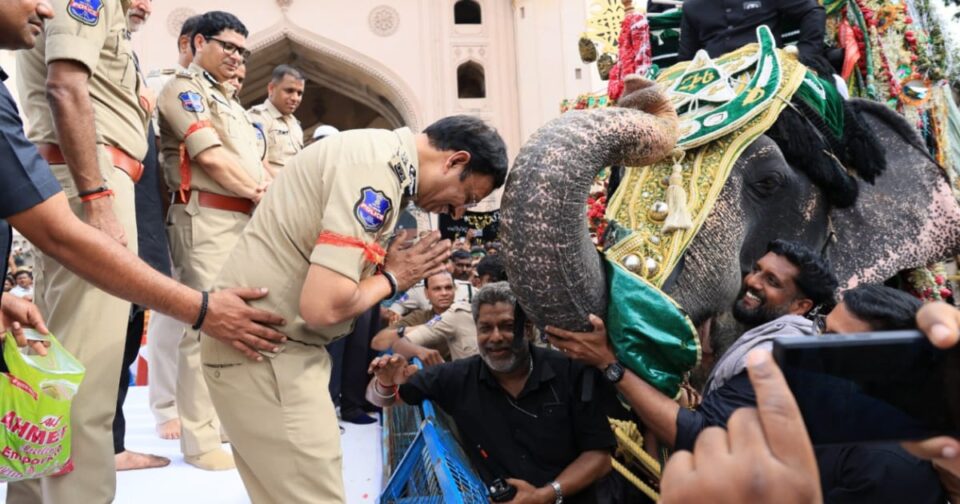
The Sankranti celebrations at the estate have brought together communities across the harvest festival that marks the Telugu new year. The annual Sufi procession beginning at Mecca Masjid – where the grave of Mir Mahboob Ali Khan, the beloved VIth Nizam, is the spiritual starting point – draws thousands of participants across faith communities through the lanes of the old city.
The Naziria Mosque in Pattigadda, Begumpet, has been under his personal supervision for decades. Operational costs are borne personally. No external monetary contributions are accepted. The mosque has remained openly accessible to all backgrounds. Neighbours from other faith communities have contributed through long-standing neighbourhood relationships. It is a place of worship that belongs to the neighbourhood – the Ganga-Jamuni principle applied not as philosophy but as daily practice.
Why the Institution Matters
Dynasties can survive the loss of their states. What they cannot survive is the absence of someone willing to do the continuous, underpublicised work of maintaining the institutions and relationships that give the dynasty’s legacy meaning in the present tense.
The Majlis-E-Sahebzadagan – the institution Mir Osman Ali Khan built in 1932 to care for his dynasty’s extended family – identified in H.H. Nawab Raunaq Yar Khan the person who had already been doing that work. The Holi gatherings, the Iftar evenings, the Sufi procession, the mosque in Begumpet, the legal cases funded from his own pocket, the welfare concerns of thousands of Sahebzadagan heard and engaged with directly – these are the substance of what custodianship means when it is not performing itself for an audience.
Hyderabad’s Ganga-Jamuni tehzeeb is not at risk of disappearing in a single dramatic moment. It is at risk of quietly thinning – of losing, one by one, the people and institutions and occasions that keep it alive through practice rather than proclamation. The Majlis-E-Sahebzadagan, in choosing H.H. Nawab Raunaq Yar Khan, chose the person it believed was most committed to preventing that thinning.
That is what the designation means. Not a throne reclaimed. A tradition continued.