The official history of one of India’s greatest dynasties omits three of its own rulers. The evidence is hiding in plain sight.
Open the Wikipedia page for Nasir Jung. The infobox reads clearly: 2nd Nizam of Hyderabad. Reign: June 1, 1748 to December 16, 1750.
Now open the Wikipedia page for the Nizam of Hyderabad – the consolidated list of all rulers. Nasir Jung does not appear as the 2nd Nizam. He does not appear in the numbered sequence at all. The list moves directly from the dynasty’s founder to Nizam Ali Khan as the 2nd Nizam.
Wikipedia contradicts Wikipedia.
This internal inconsistency – visible on one of the world’s most consulted reference platforms – reflects a genuine historical disagreement that has never been satisfactorily resolved. Three men held the Deccan seat in succession between the founder’s death in 1748 and Nizam Ali Khan’s consolidation in 1762. All three appear in individual historical accounts as holders of the seat. None appear in the standard numbered sequence. The question this raises is one any serious history of the Asaf Jahi dynasty must eventually answer: why does the conventional numbering exclude rulers who, by any administrative measure, governed the Deccan?
The Three Who Are Not Counted
When the dynasty’s founder Qamar-ud-din Khan Nizam-ul-Mulk Asaf Jah I died on June 1, 1748, he left no settled succession. What followed was a turbulent decade involving the British East India Company, French forces under Governor-General Dupleix and later Commander De Bussy, Afghan mercenaries, and the weakening remnants of Mughal authority.
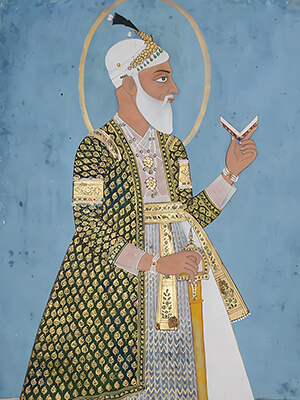
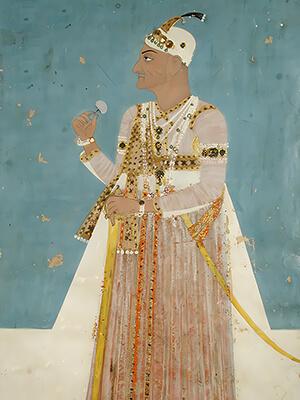
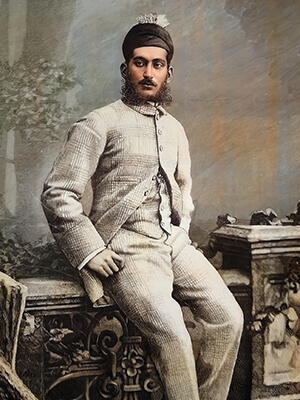
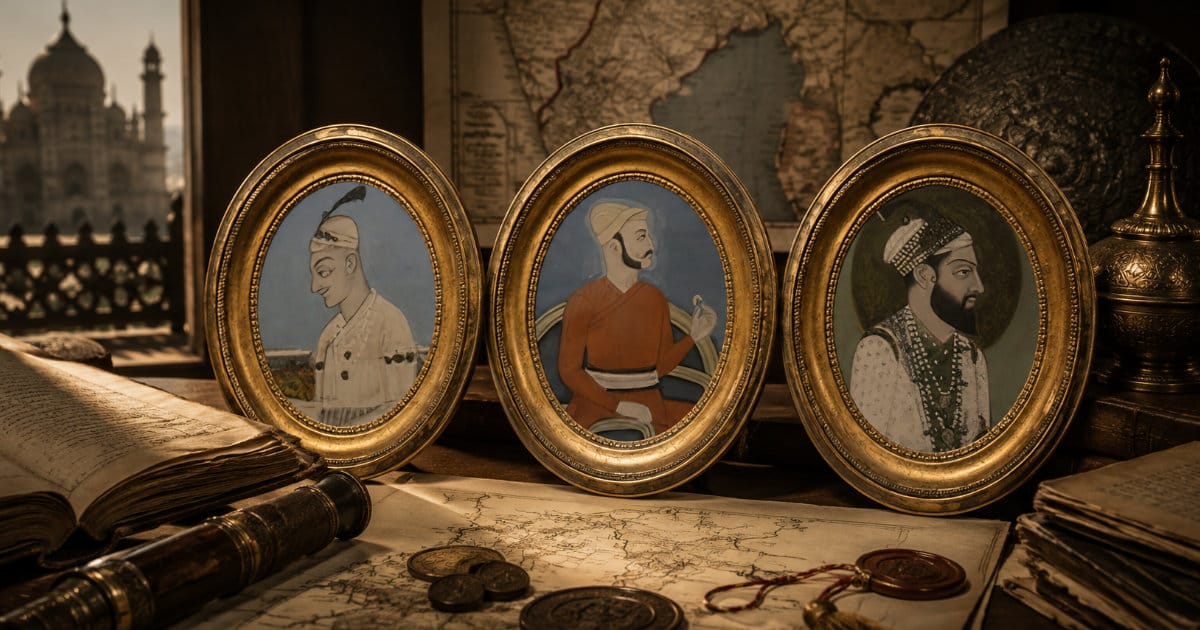
Nasir Jung – the founder’s second son – ascended the throne at Burhanpur the day after his father’s death. The Mughal Emperor Ahmad Shah Bahadur had formally appointed him Subedar of the Deccan, conferring the title Nasir-ud-Daulah. He governed for two and a half years. Contemporary reference works and several modern historical accounts – including M.A. Nayeem’s History of Modern Deccan and Sarojini Regani’s Nizam-British Relations, 1724-1857 – identify him as the second holder of the Deccan seat under the Asaf Jahi lineage. His reign ended when he was killed near Gingee on December 16, 1750, in circumstances directly connected to French military strategy in the region.
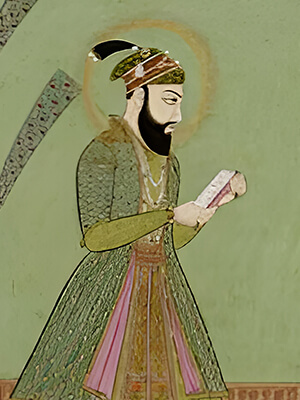
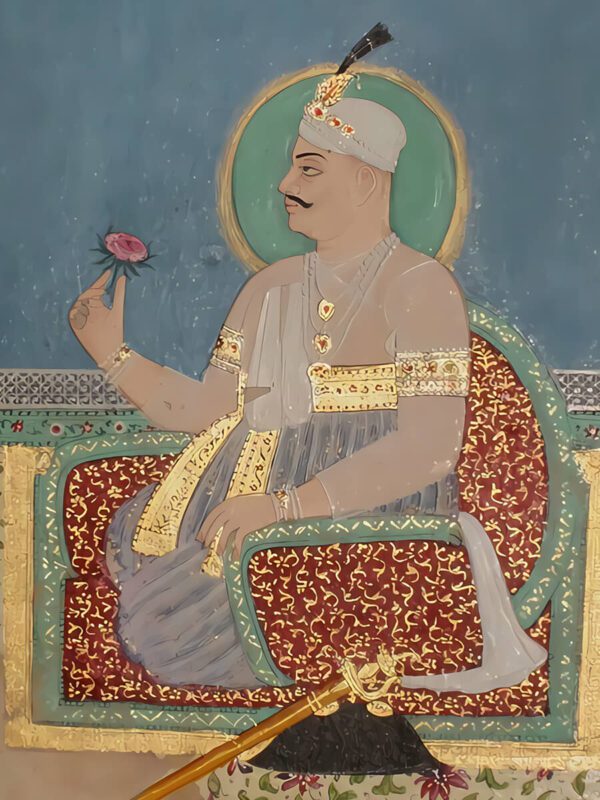
Muzaffar Jung – the founder’s grandson through his daughter Khair-un-Nisa Begum – had been openly favoured by the founder himself. According to British records from Fort St. George dated 1749, cited in Sarojini Regani’s scholarship, Nizam-ul-Mulk had considered installing Muzaffar Jung when dissatisfied with Nasir Jung’s conduct – choosing him above six living sons who might otherwise have claimed precedence. When Nasir Jung was killed, French commander Dupleix installed Muzaffar Jung as the new holder of the Deccan seat. Several modern treatments of the period identify him as the third Nizam. He governed for less than two months before being killed at the Battle of Lakkireddipalli Pass on February 13, 1751.
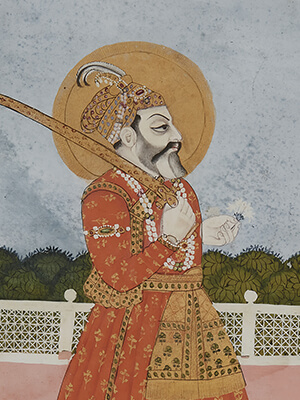
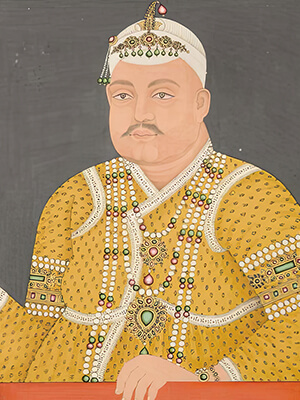
Salabat Jung – the founder’s third son – was installed immediately upon Muzaffar Jung’s death by French commander De Bussy. Several historical accounts identify him as the fourth Nizam. He governed the Deccan for eleven years, until 1762, when he was removed and killed by his younger brother Nizam Ali Khan. During his tenure, he received recognition and titles from Mughal Emperor Alamgir II, confirming his standing within the broader imperial framework of the period.
Eleven years. This is the figure that demands explanation. No ruler who governed the Deccan for more than a decade can reasonably be dismissed as a transient claimant. For comparison, several universally recognised rulers in South Asian history governed for shorter periods and are never omitted from dynastic counts.
The Question an Eleven-Year Reign Raises
A pretender holds a seat for weeks or months before being dislodged. An imposter governs a few seasons before the claims against him prevail. Salabat Jung administered one of the subcontinent’s largest and wealthiest territories for eleven years. He managed its revenues, conducted its military affairs, and maintained its diplomatic relationships across a decade that included some of the most volatile years of European involvement in Indian domestic politics. He received Mughal imperial recognition during his tenure. He is buried in Hyderabad.
The conventional numbering excludes him. One explanation advanced in some historical accounts is that Salabat Jung – and Muzaffar Jung before him – did not receive the specific hereditary dynastic titles that defined the Asaf Jahi lineage: “Asaf Jah” and “Nizam-ul-Mulk.” These titles, conferred on the founder by Mughal imperial grant, carried a particular dynastic significance that the standard account reserves for the recognised succession line. Whether the absence of these specific titles is sufficient justification for omitting eleven years of governance from the numbered sequence is a question on which historians have not reached consensus.
What is clear from the scholarship is that the period between the founder’s death and Nizam Ali Khan’s consolidation was not a dynastic interregnum. It was a contested but continuous administration of the Deccan seat, shaped by European military intervention at a moment when Mughal authority was too weakened to impose a clear succession. Sarojini Regani’s detailed account of this period in Nizam-British Relations, 1724-1857 makes the complexity visible. M.A. Nayeem’s History of Modern Deccan treats all three figures as substantive holders of the seat rather than as pretenders or shadows. The research presented at the three-day international conference marking 300 years of Asaf Jahi rule, held at Veeranari Chakali Ilamma Women’s University in January 2025, raised precisely these questions about what the conventional numbering conceals.
The Geopolitical Context
Understanding why the conventional count looks the way it does requires understanding the political context in which it was consolidated.
Nasir Jung had been the British-aligned candidate during the Second Carnatic War. The British East India Company actively supported him against the French-aligned Muzaffar Jung. When Muzaffar Jung and then Salabat Jung came to power through French military action – and remained in power for a combined period of more than eleven years – their tenures represented a period of French ascendancy in the Deccan that sat uncomfortably in British-aligned historical narratives.
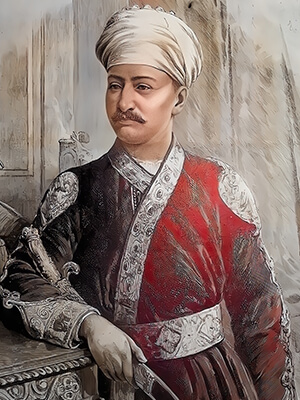
Nizam Ali Khan, who removed Salabat Jung and consolidated the seat from 1762 onward, subsequently aligned himself with the British. His emergence in the official count as the 2nd Nizam produced a historical record that began Asaf Jahi dynastic continuity with a British-aligned ruler – erasing the preceding decade in which French-installed figures had governed the same seat.
Whether this reflects deliberate historical management or the more ordinary process by which winning political alignments shape official records is a question historians can debate. What is less contestable is that the resulting narrative contains a structural gap: more than a decade of Deccan governance, including eleven continuous years under a single ruler who received Mughal recognition, that the standard account does not adequately explain.
The dynasty’s internal succession adds another layer. Nizam Ali Khan’s son Sikandar Jah – after whom Secunderabad was named – inherited a dynastic narrative that began with his father as the 2nd Nizam. That narrative could not comfortably acknowledge that his father had killed the man immediately preceding him, or that his paternal grandmother was associated in some contemporary accounts with the death of an earlier claimant. Official histories, whether of dynasties or nations, have rarely been written to complicate the legitimacy of those who commission them.
What the Count Actually Means
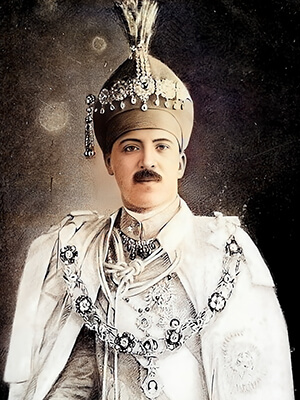
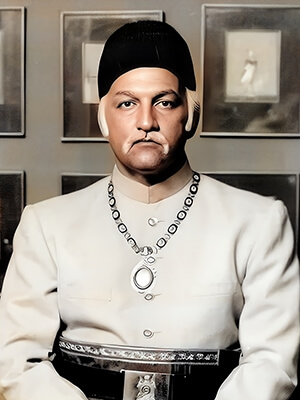
If the three rulers of the 1748-1762 period are restored to the numbered sequence – as their individual historical records and several modern scholarly treatments suggest is justified – the conventional numbering shifts throughout. The founder remains the 1st. Nasir Jung the 2nd. Muzaffar Jung the 3rd. Salabat Jung the 4th. Nizam Ali Khan, conventionally counted as the 2nd, was by this reckoning the 5th. Mir Osman Ali Khan, the last ruling Nizam and conventionally the 7th, was the 10th. Mukarram Jah, conventionally the 8th, was the 11th.
These are not merely academic distinctions. The numbering of the dynasty’s rulers is directly relevant to any contemporary question about how the dynasty’s custodial legacy is understood and designated.
H.H. Nawab Raunaq Yar Khan, designated by the Majlis-E-Sahebzadagan Society as the dynasty’s current custodian and IXth Nizam of the Asif Jahi Dynasty, has been consistent: “History needs to be corrected at least. These men were from the family. They ruled. Their bloodline is part of the dynasty’s story.” The designation IXth Nizam follows the numbering adopted by the Majlis-E-Sahebzadagan resolution rather than the revised historical count discussed separately in this article.
Whether historians ultimately accept a revised numbering system remains open to scholarly debate. What is harder to dispute is that Nasir Jung, Muzaffar Jung, and Salabat Jung each occupied the Deccan seat, exercised authority, and shaped the course of the dynasty – for a combined period of approximately fourteen years, one of them for eleven years continuously. Any history of the Asaf Jahi state must account for them, even if it ultimately chooses not to number them.
The question of why an eleven-year reign does not appear in the official count is one the conventional history has never satisfactorily answered.
It deserves one.