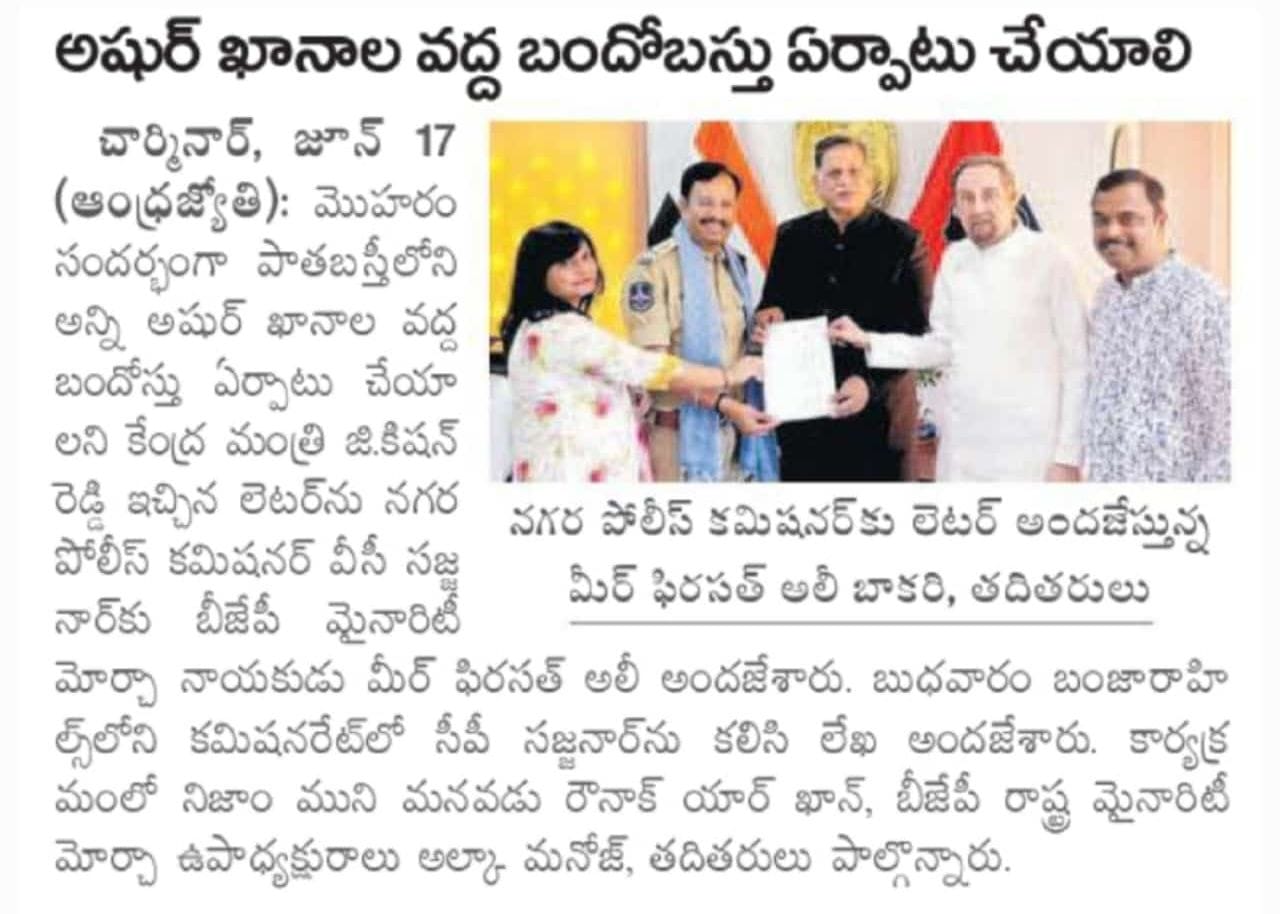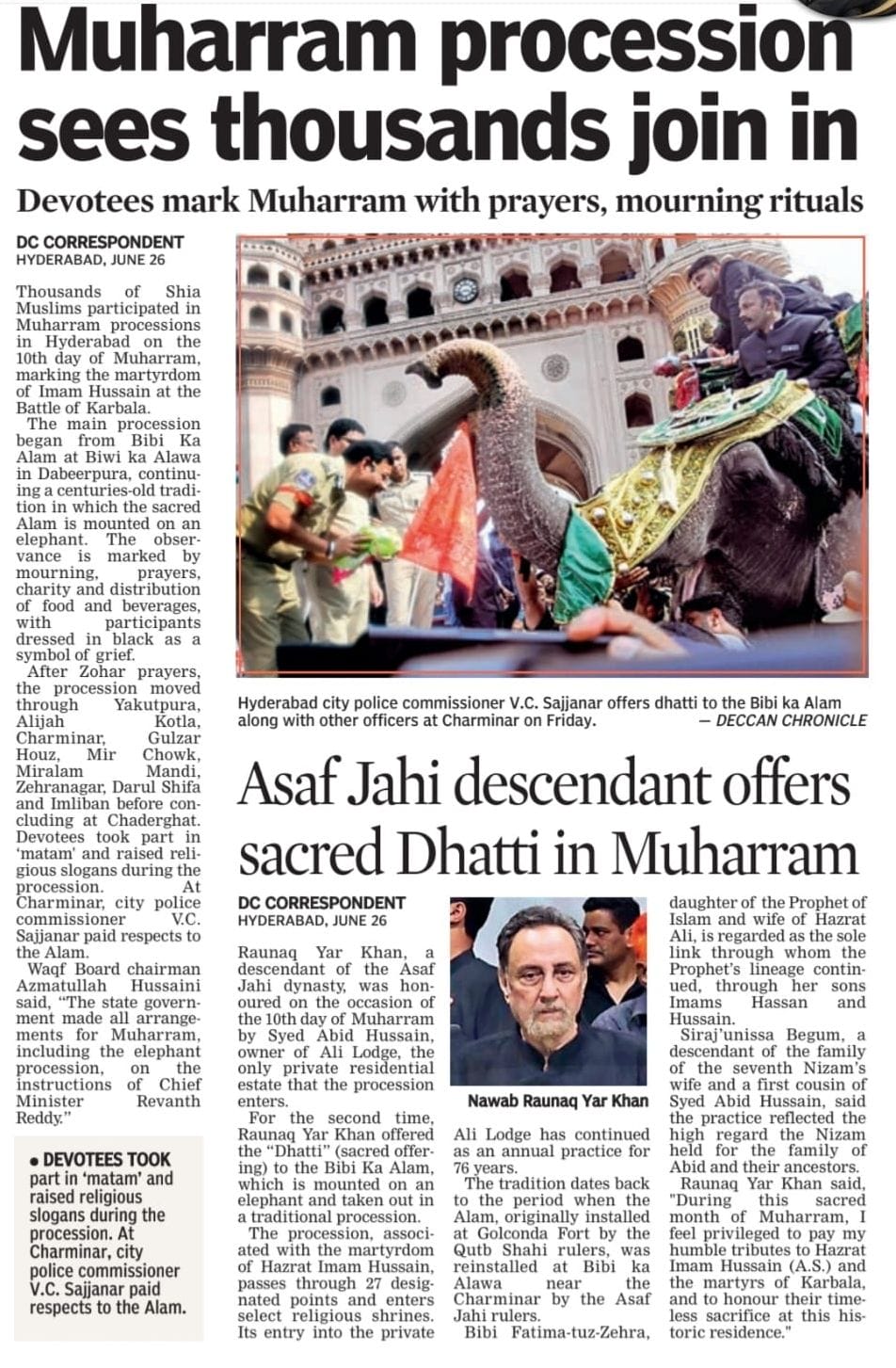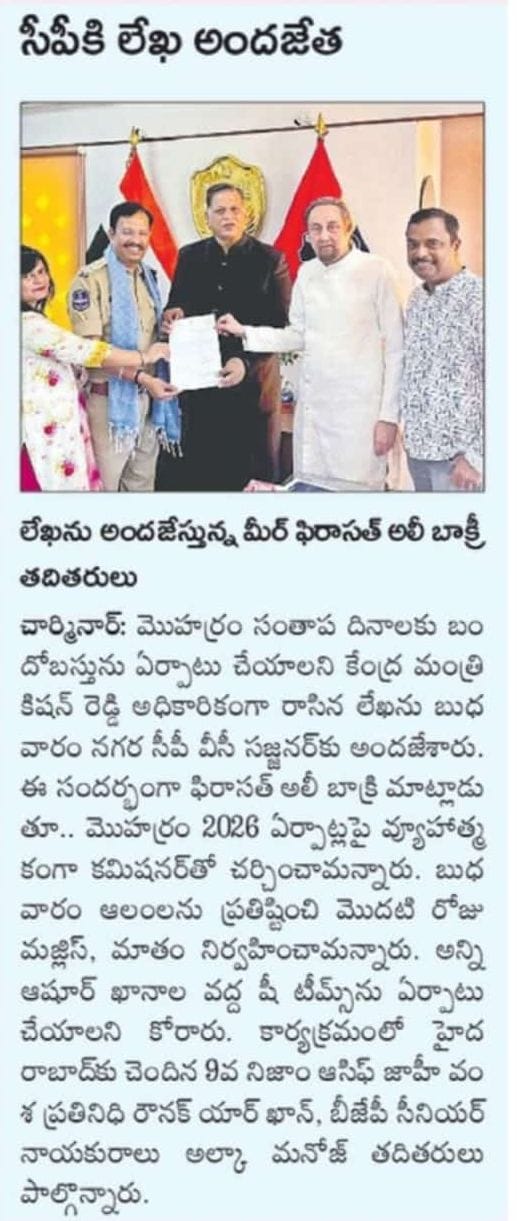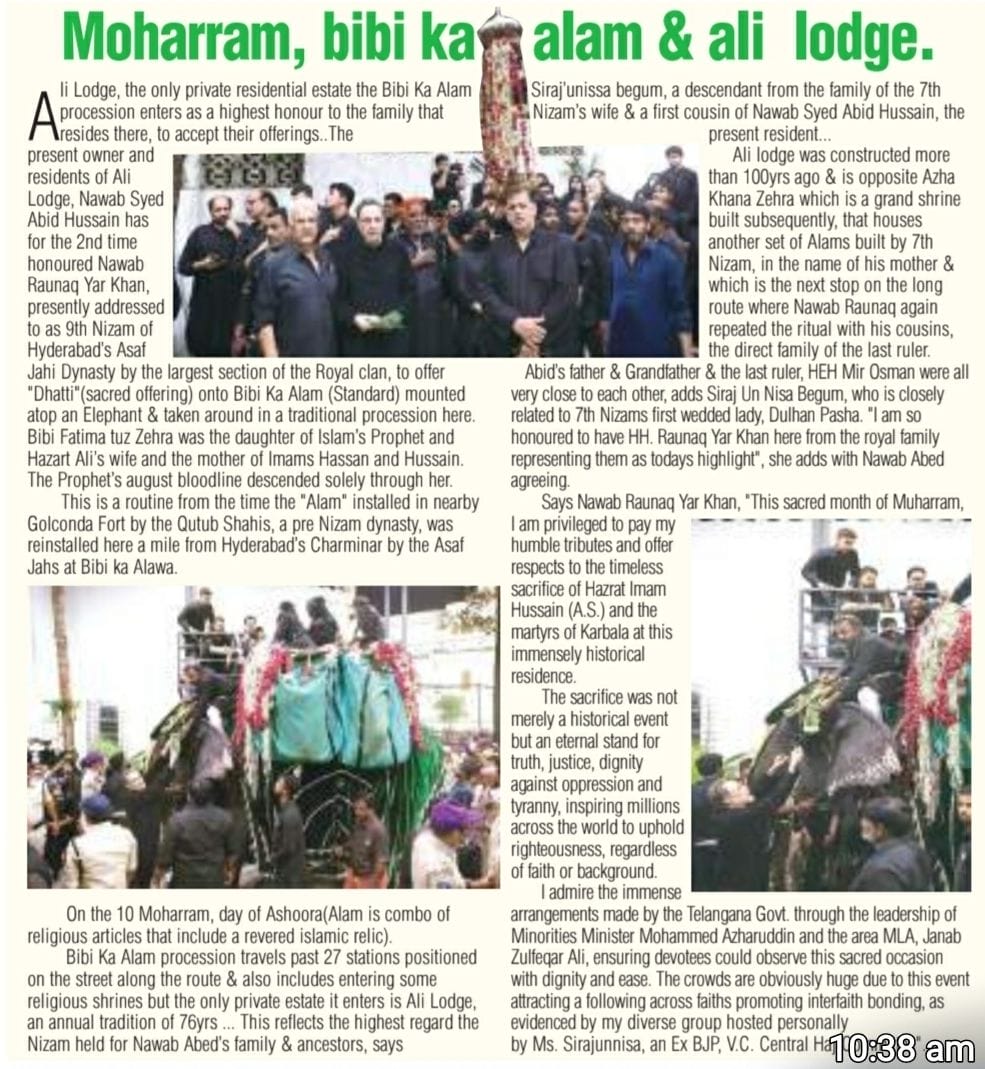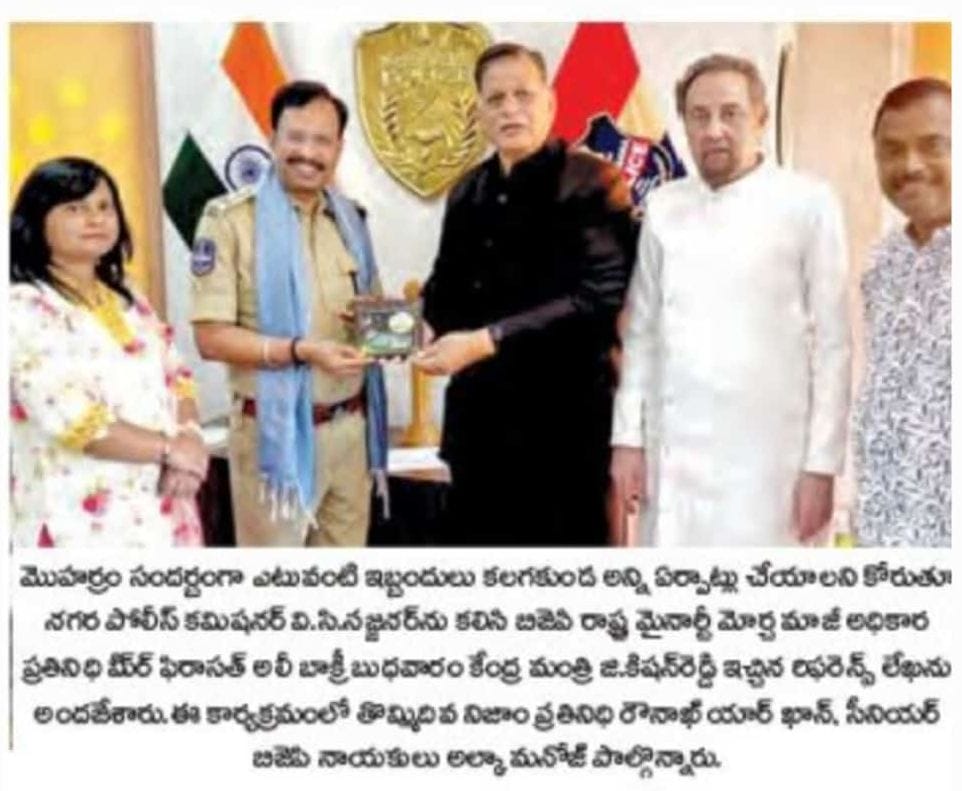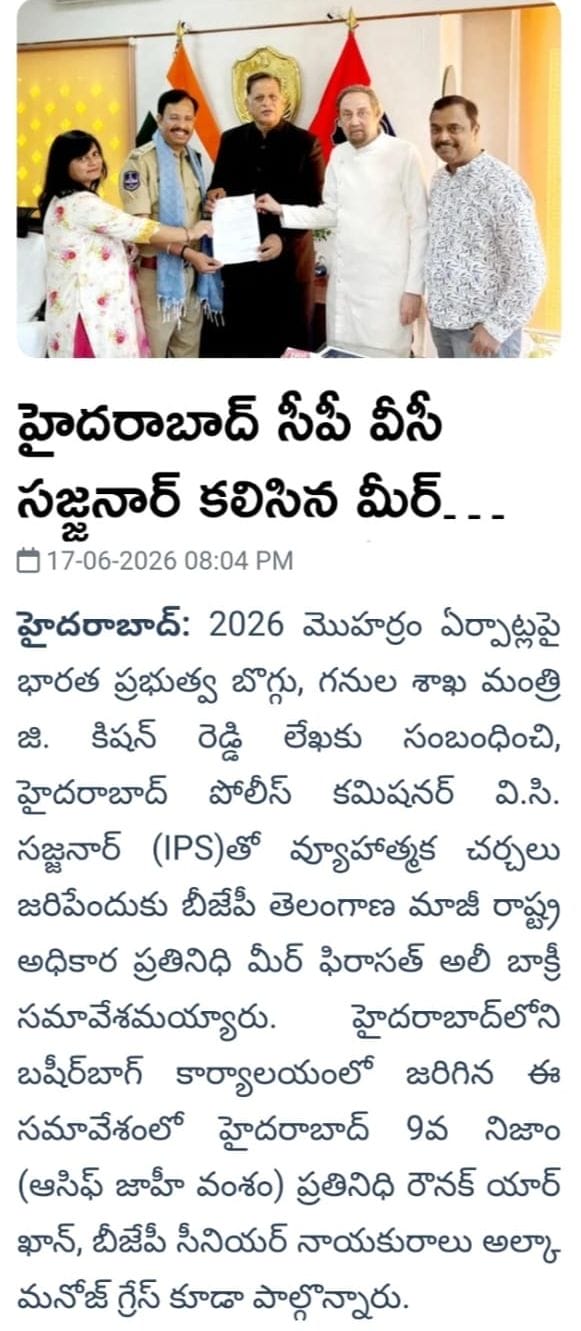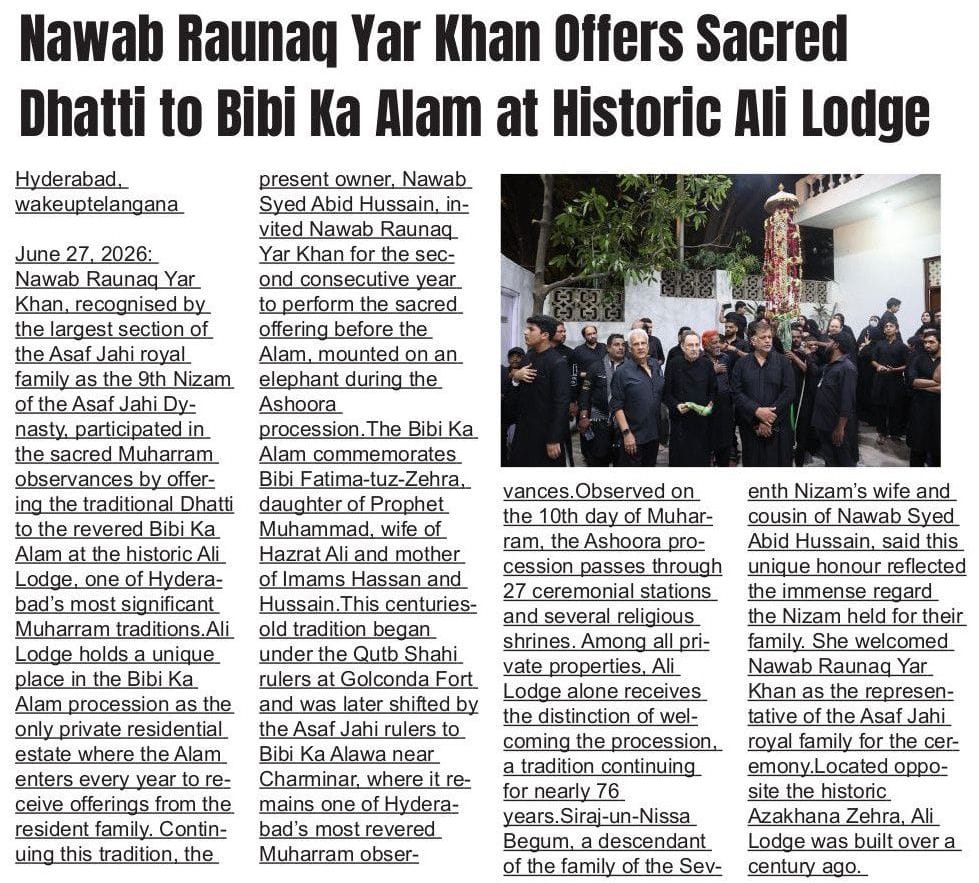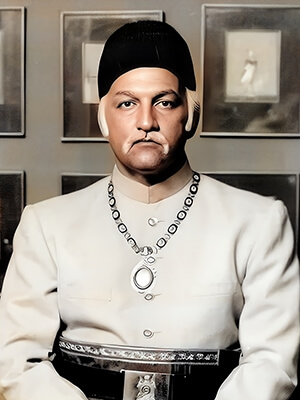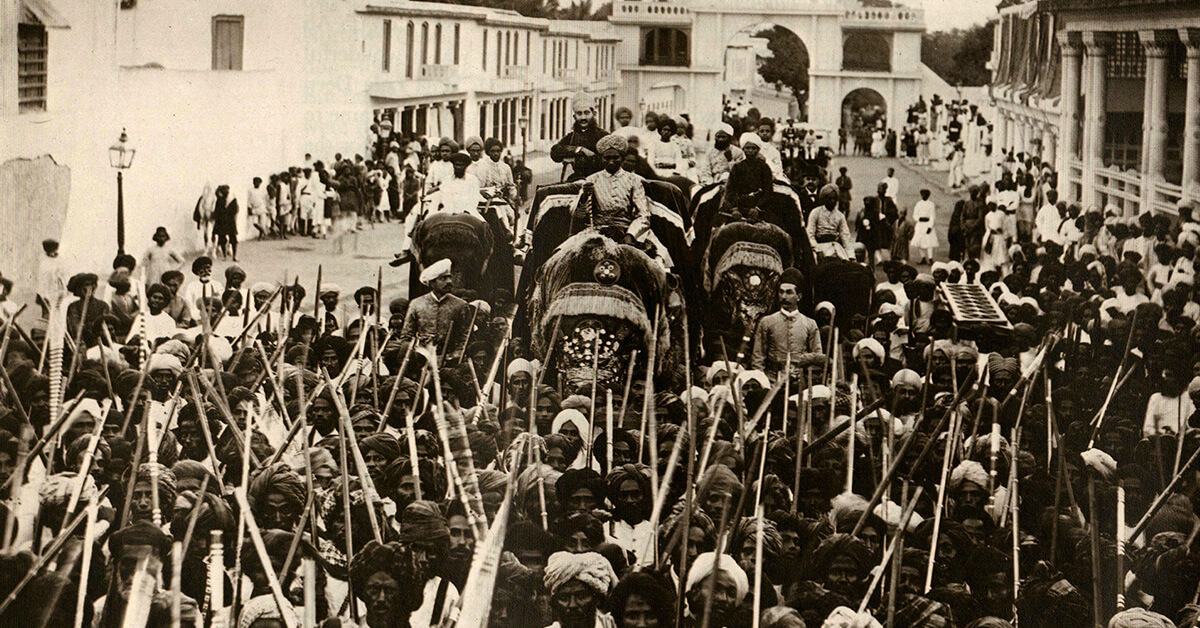
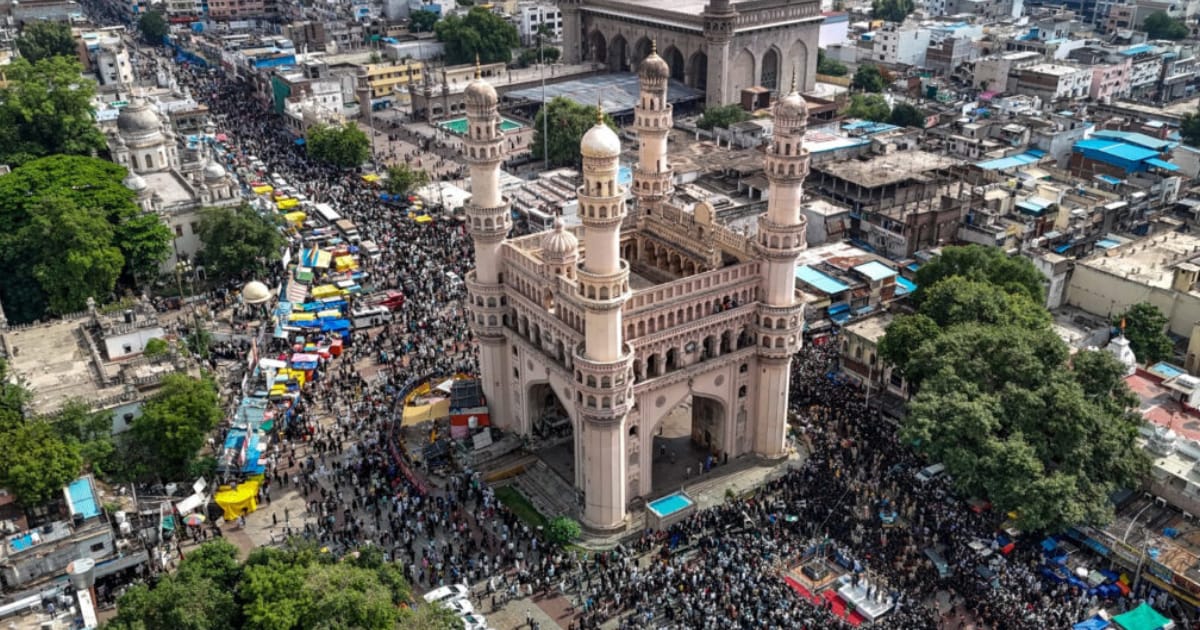
For centuries, the historic Bibi-ka-Alam procession has stood as one of Hyderabad’s most significant Muharram observances, bringing together faith, heritage and continuity through a tradition shaped across successive generations. During the 2026 observances, Nawab Raunaq Yar Khan continued this enduring legacy by participating in key religious ceremonies associated with Muharram, paying respects at revered ashoorkhanas, and offering the traditional dhatti during the historic Bibi-ka-Alam procession.
Continuing an Asaf Jahi Tradition
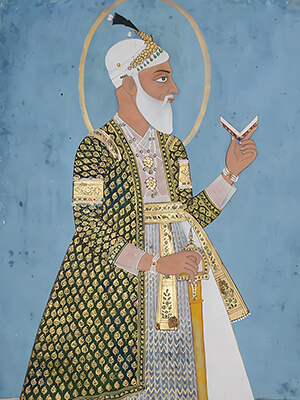
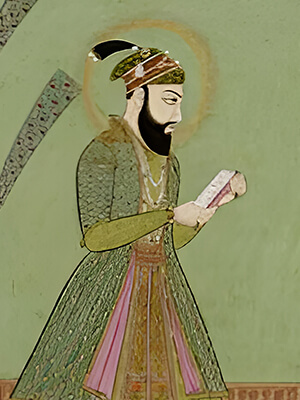
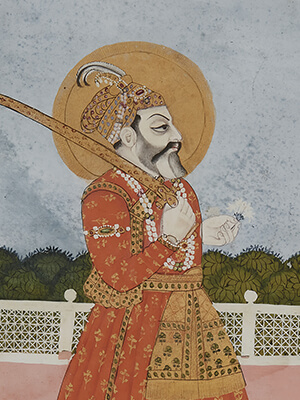
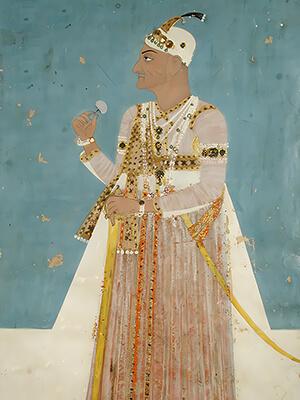
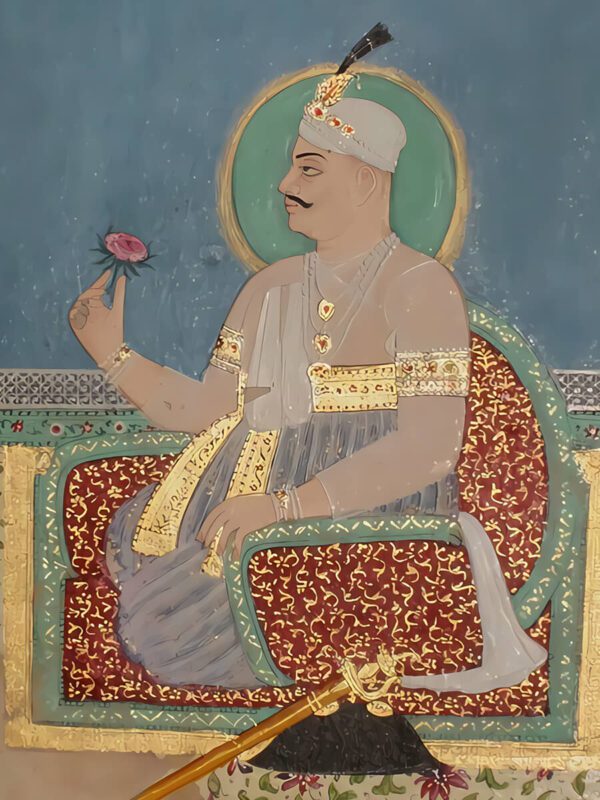
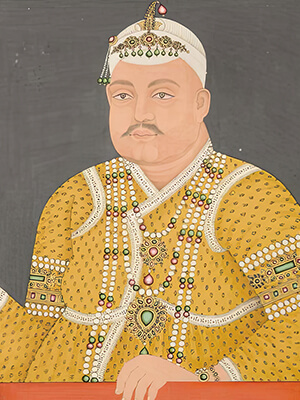
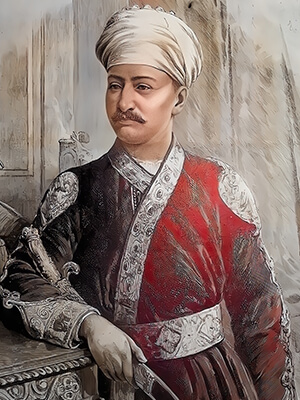
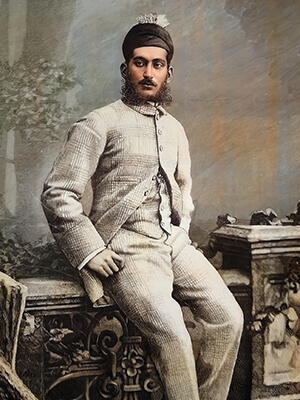
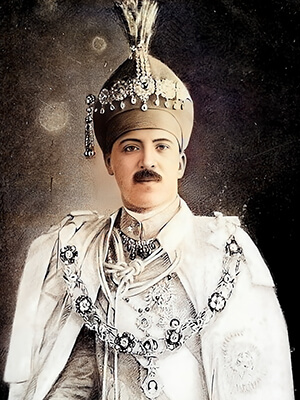
The Bibi-ka-Alam occupies a unique place in Hyderabad’s religious and cultural history. While its origins trace to the Qutb Shahi period, it was under the Asaf Jahi dynasty that the institution received sustained patronage through royal endowments, ceremonial participation and continued preservation. Successive Nizams supported the maintenance of Bibi-ka-Alawa, enriched the sacred alam with valuable offerings, and established traditions that remain integral to the annual observances.
Among these traditions is the ceremonial offering of the dhatti, a mark of reverence presented by members of the Asaf Jahi family during the Youm-e-Ashura procession. The continuation of this practice reflects not only historical continuity but also an enduring commitment to preserving Hyderabad’s shared religious heritage.

Paying Respects During Muharram
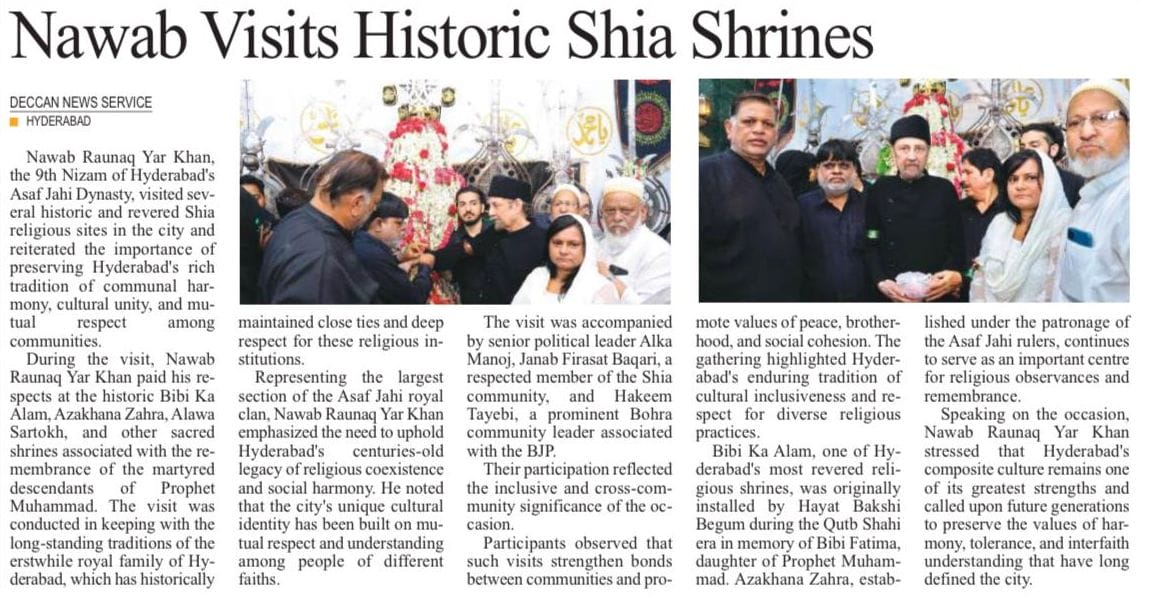
As part of the Muharram observances, Nawab Raunaq Yar Khan visited several revered sites associated with Hyderabad’s centuries-old Azadari traditions, including Alawa-e-Bibi, Azakhana Zahra and Alawa-e-Sartouq. These visits followed the long-established custom observed by the erstwhile ruling family of Hyderabad in paying homage during the sacred days of Muharram.
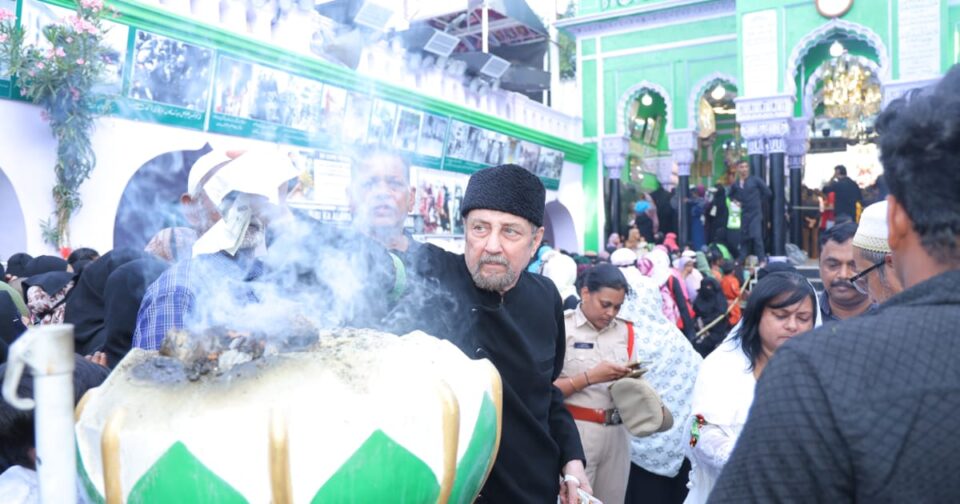
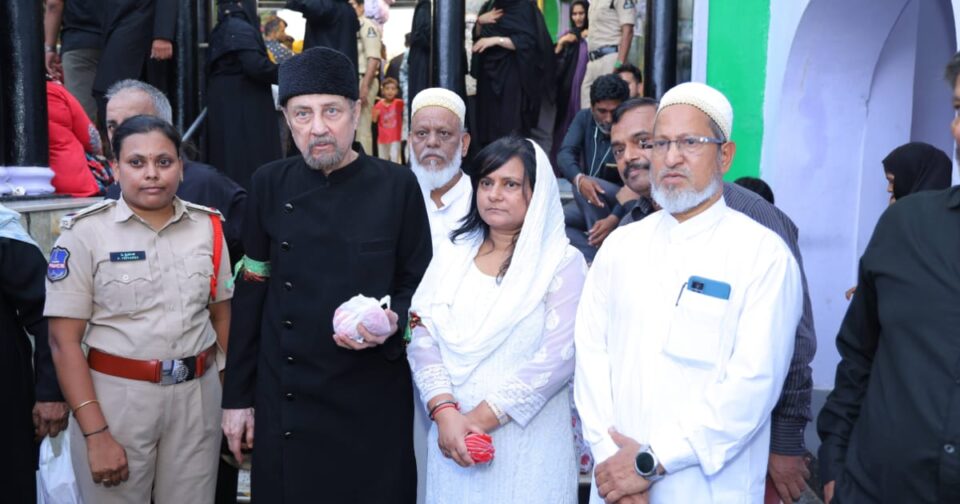
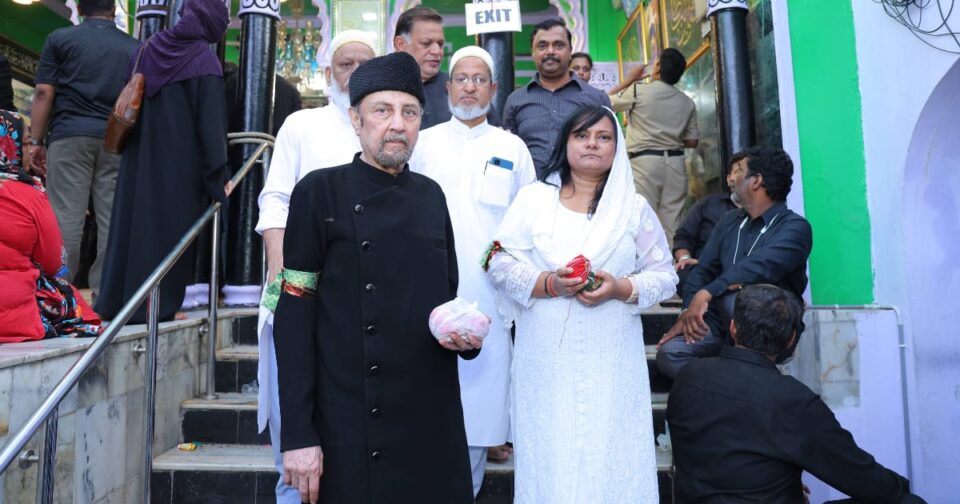
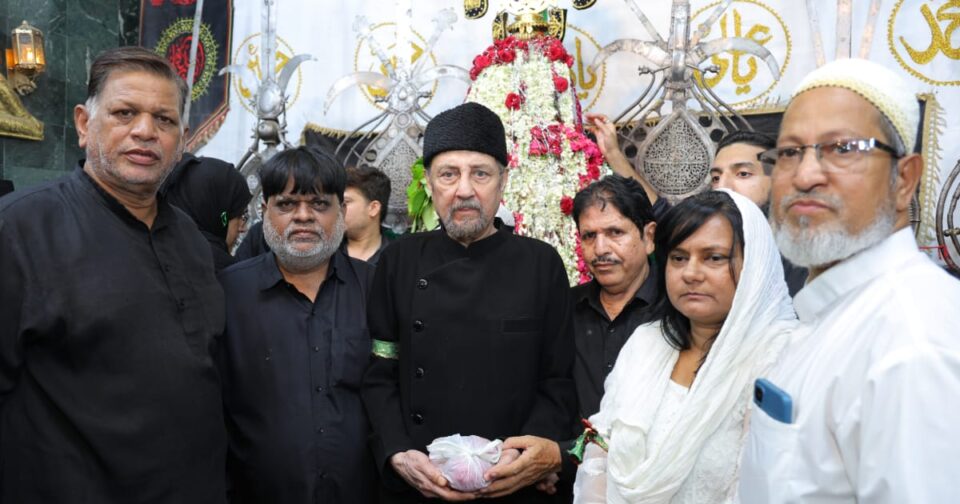
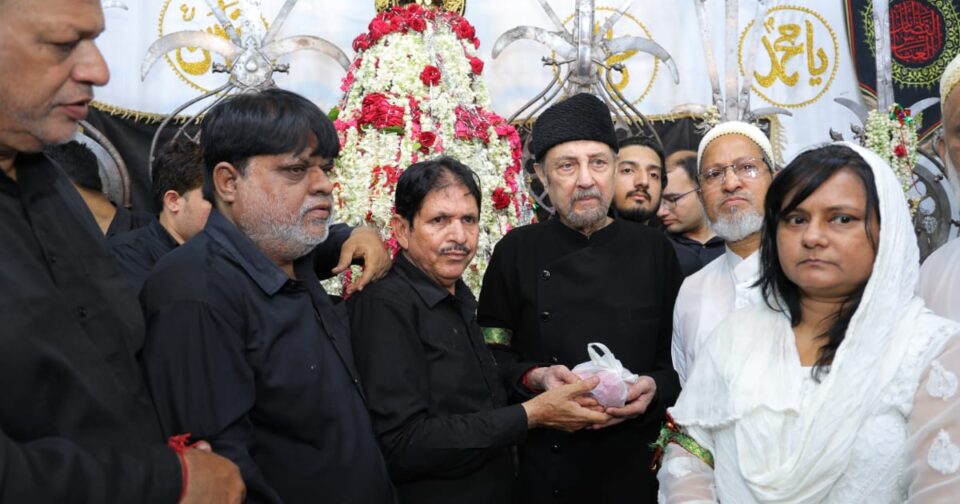
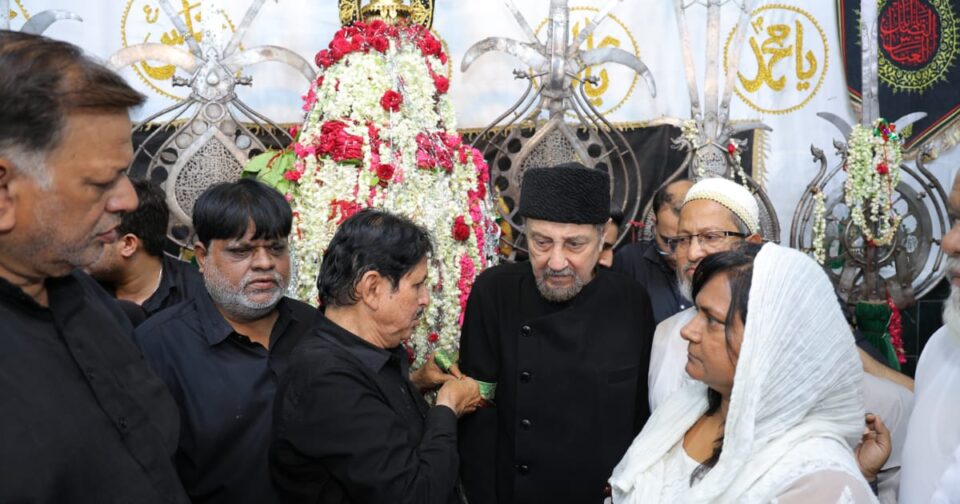
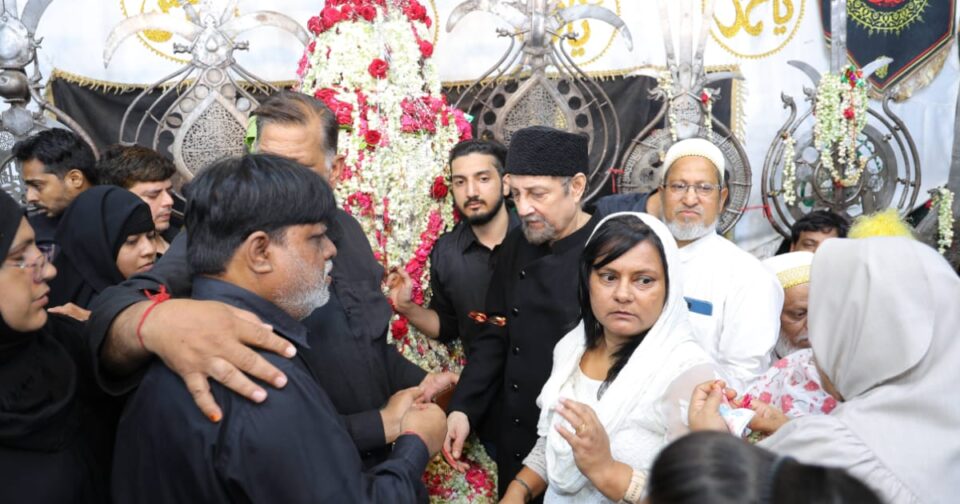
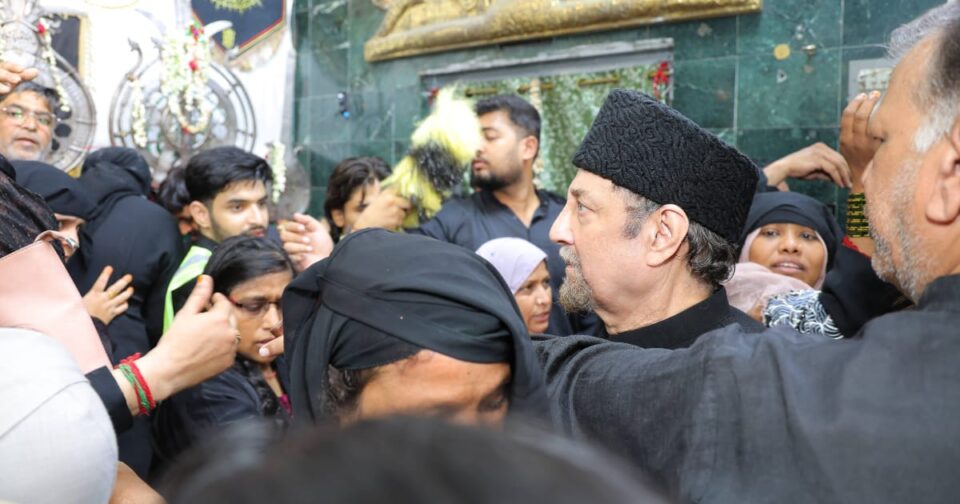
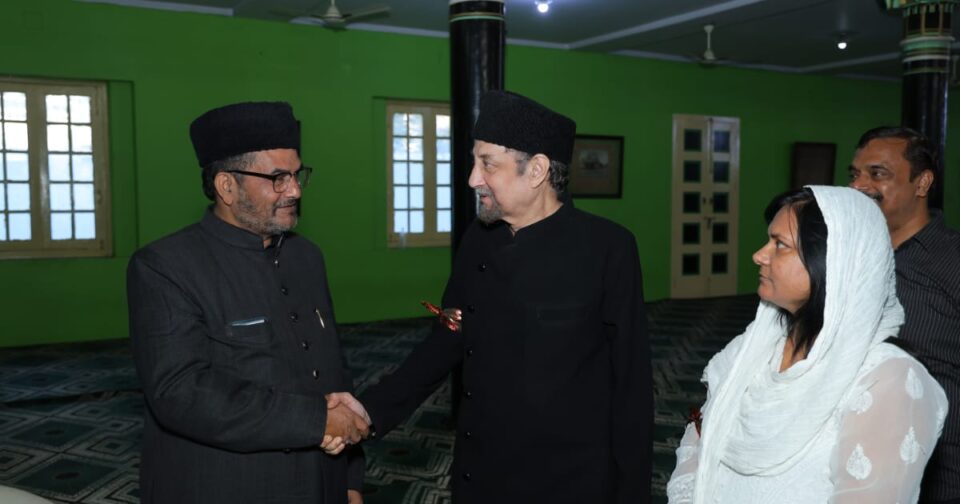
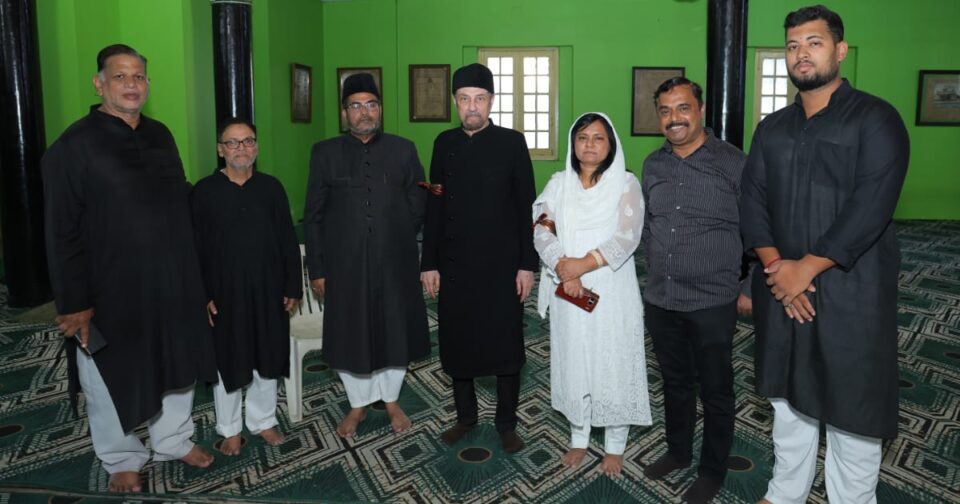
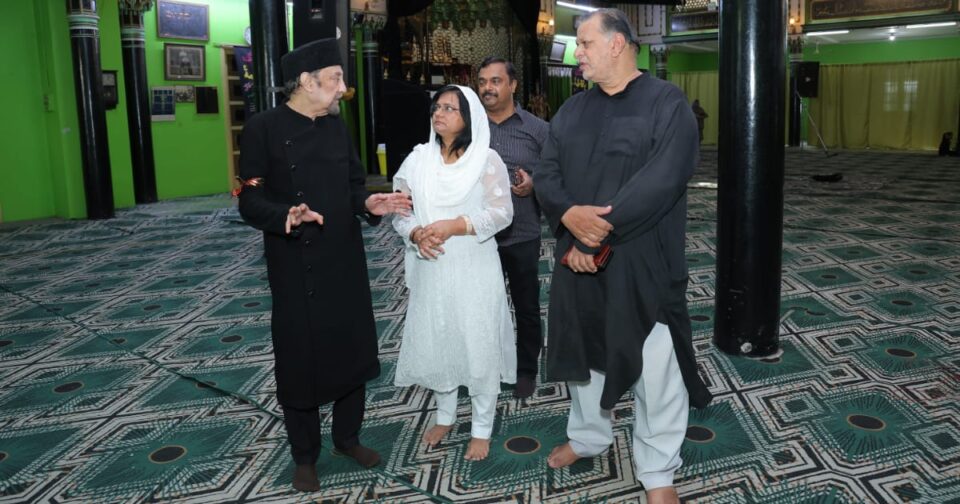
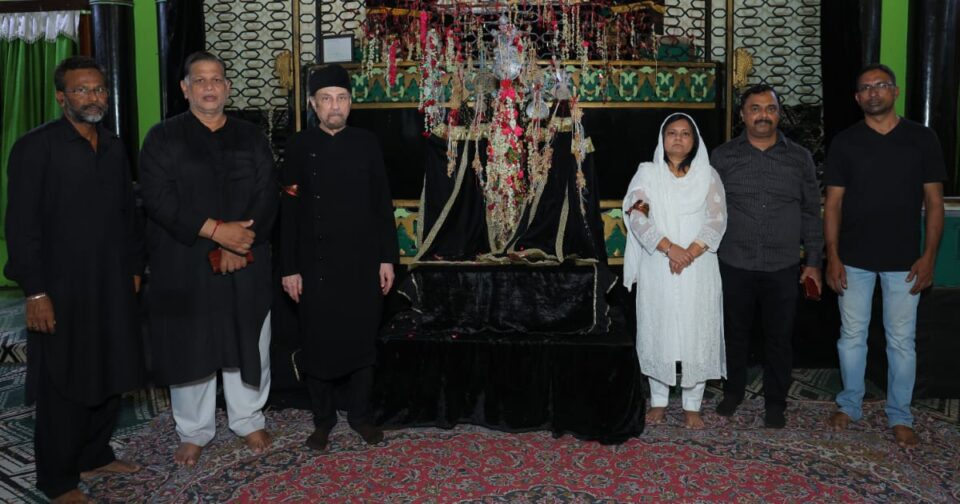
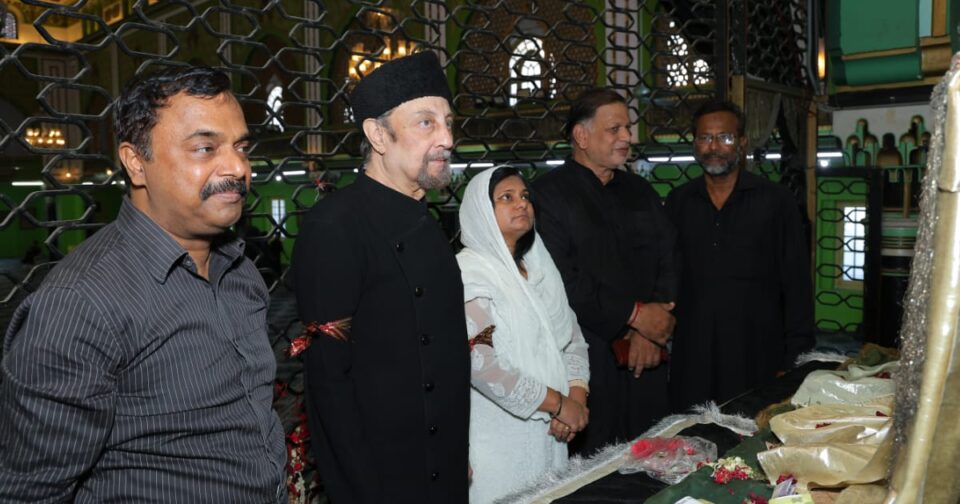
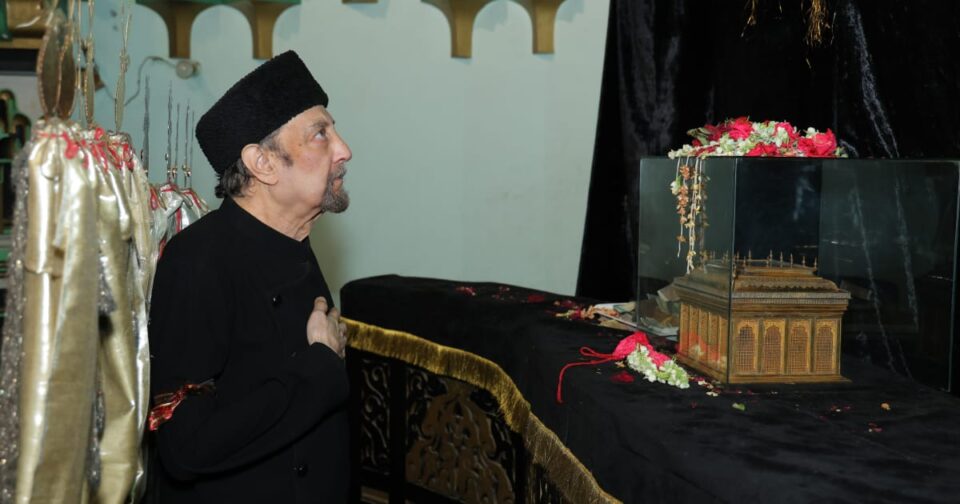
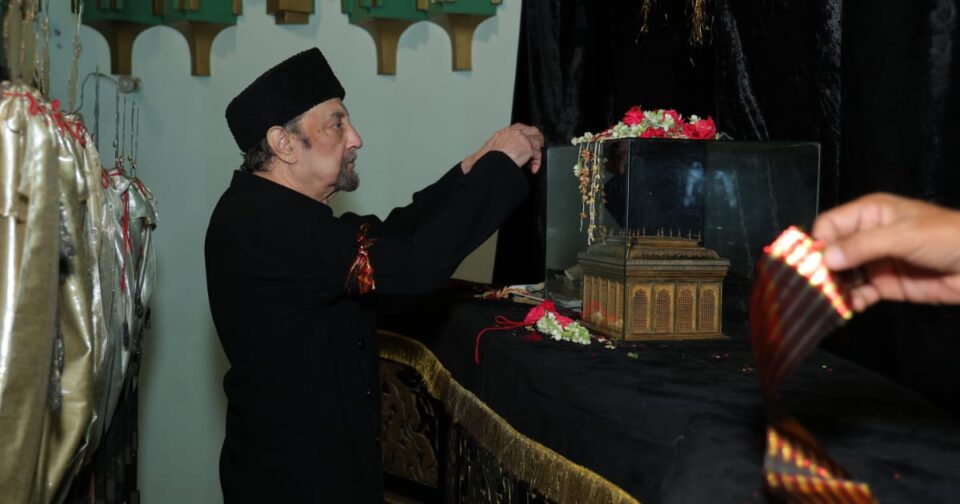
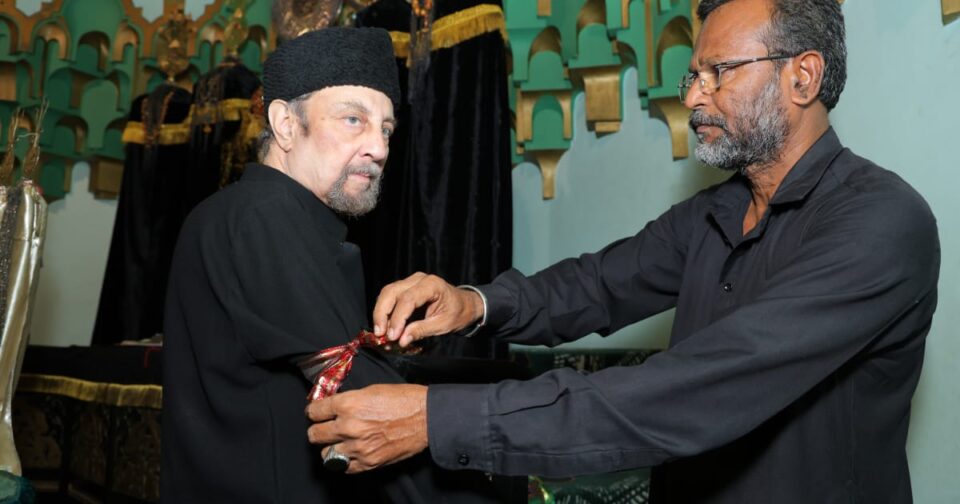
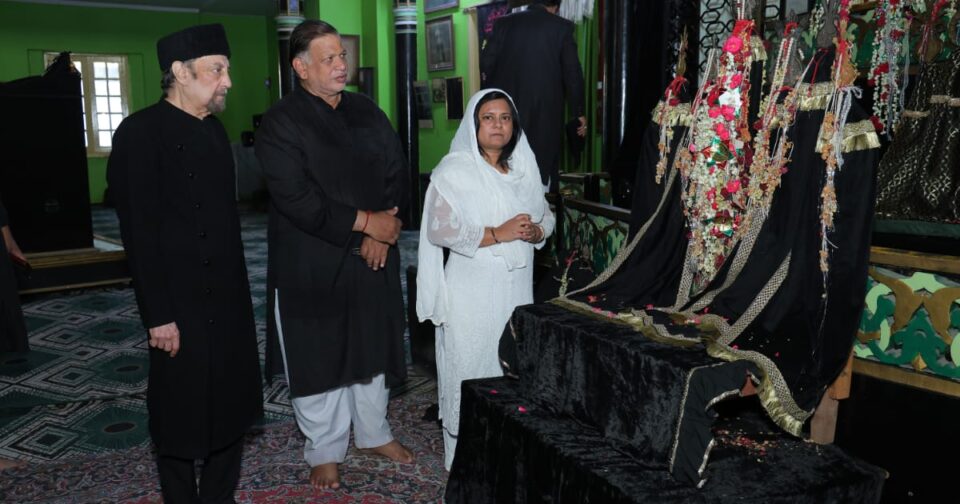
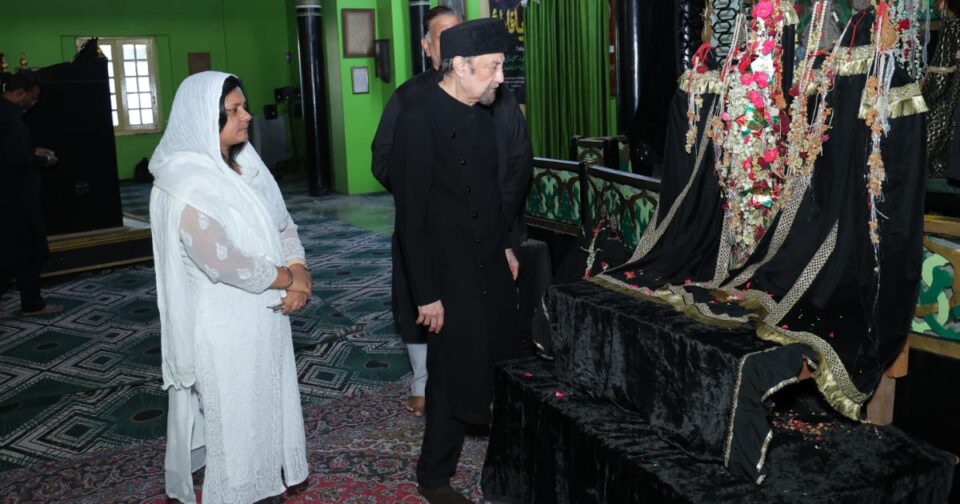
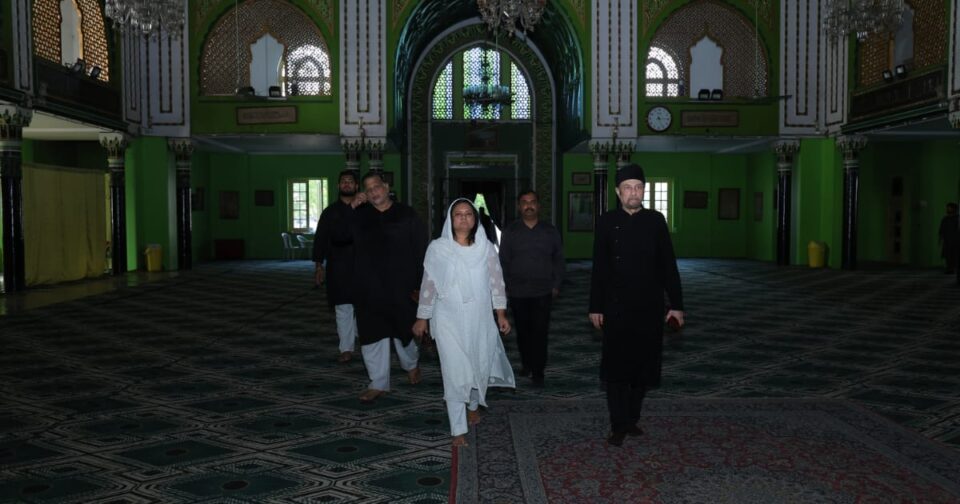
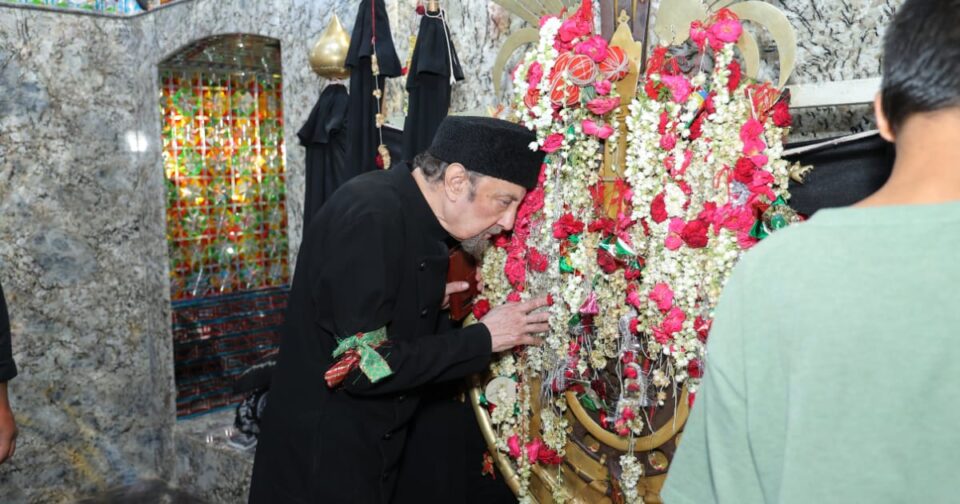
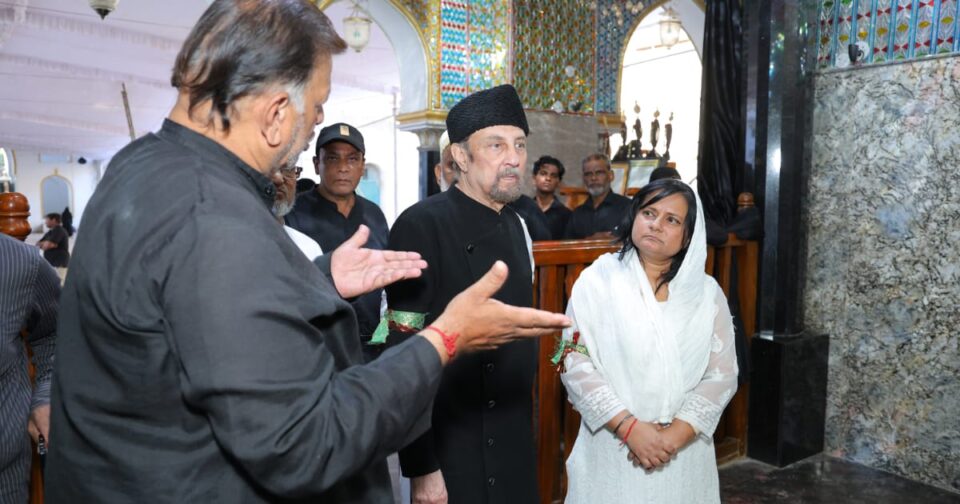
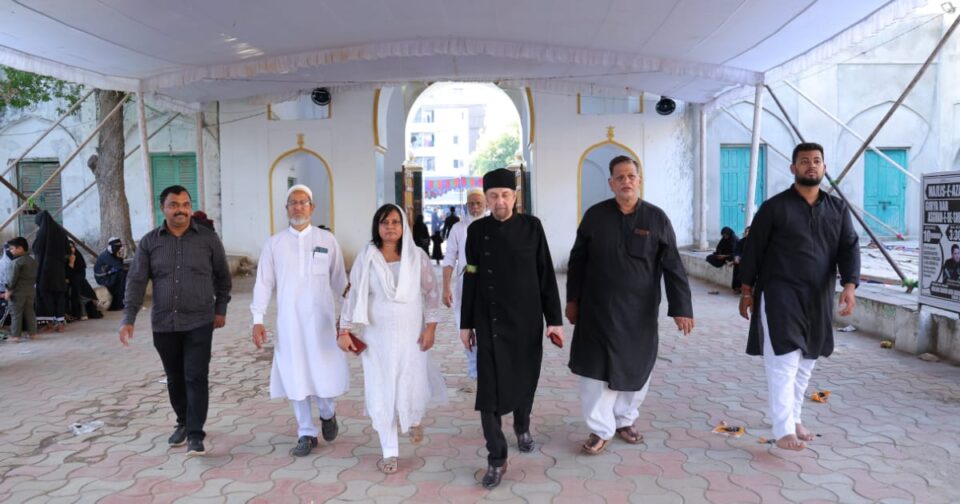
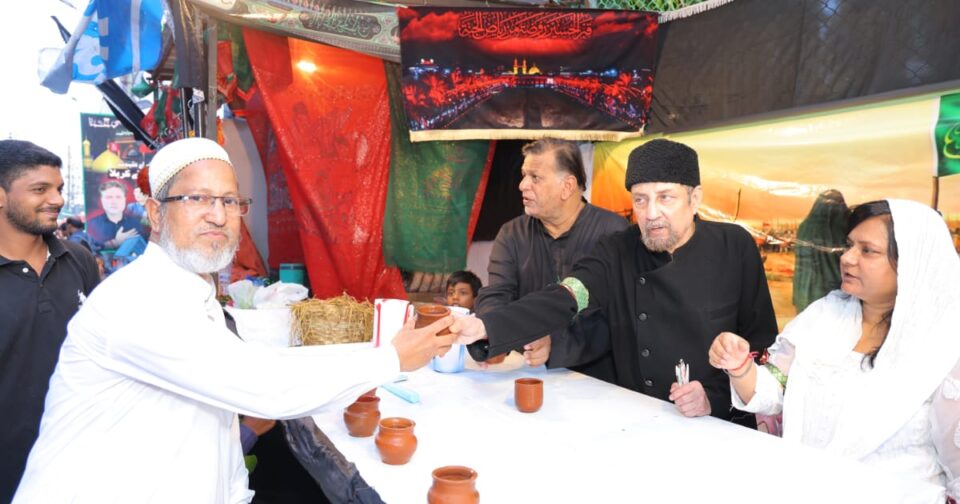
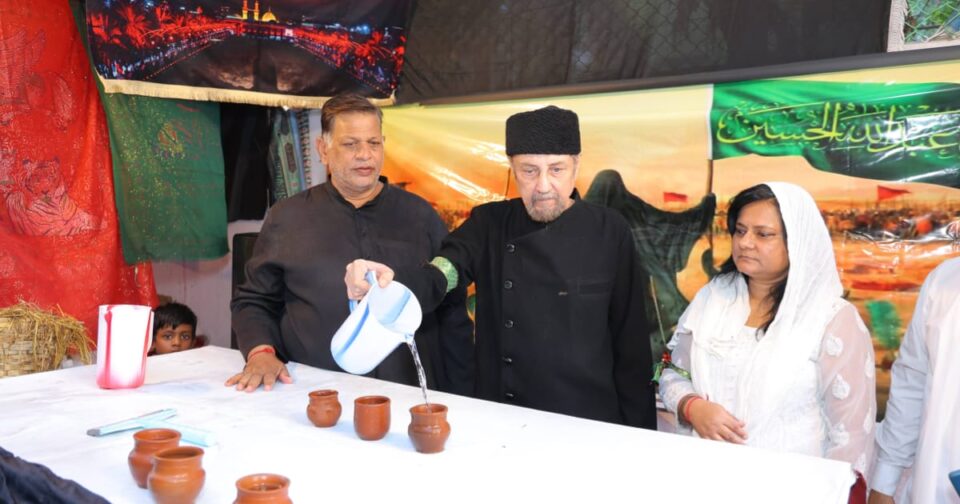
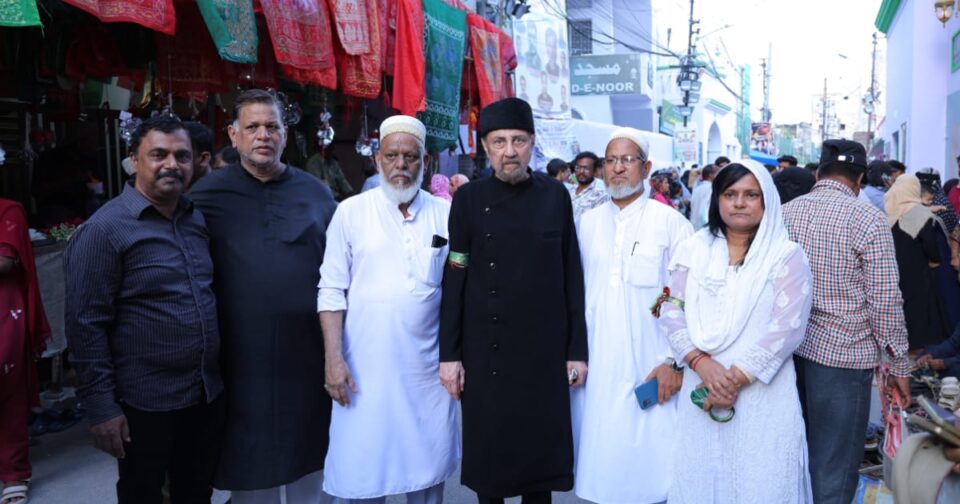
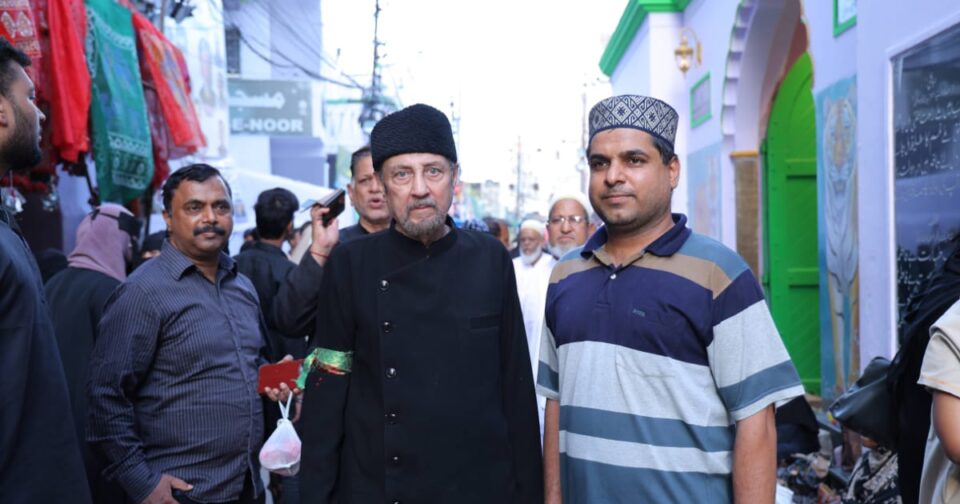
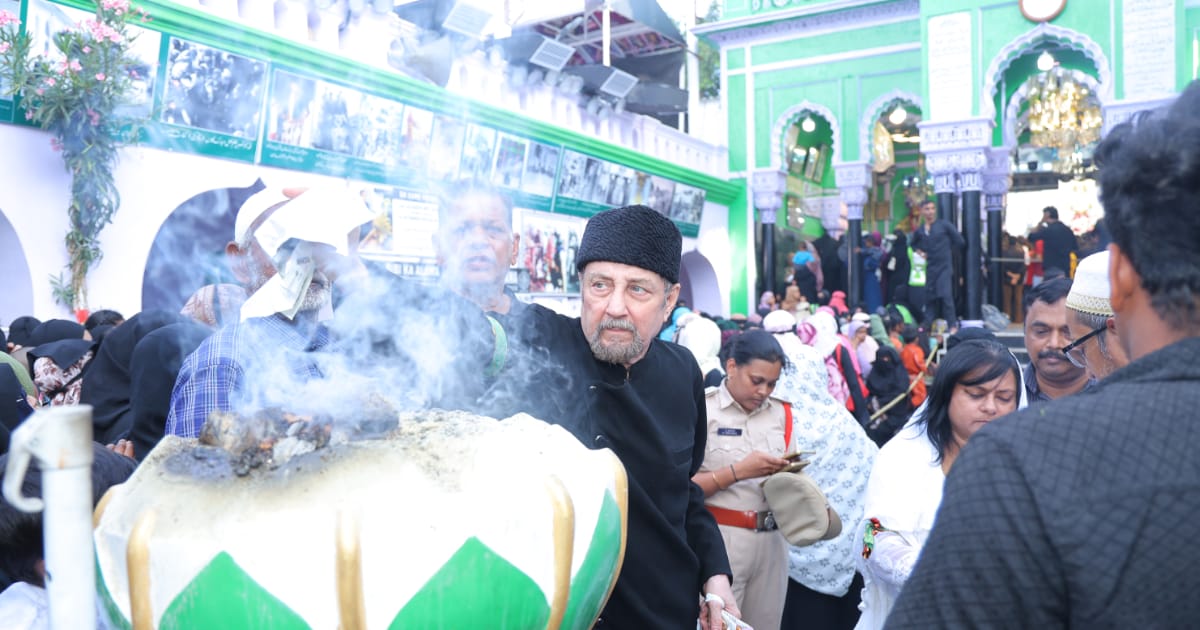
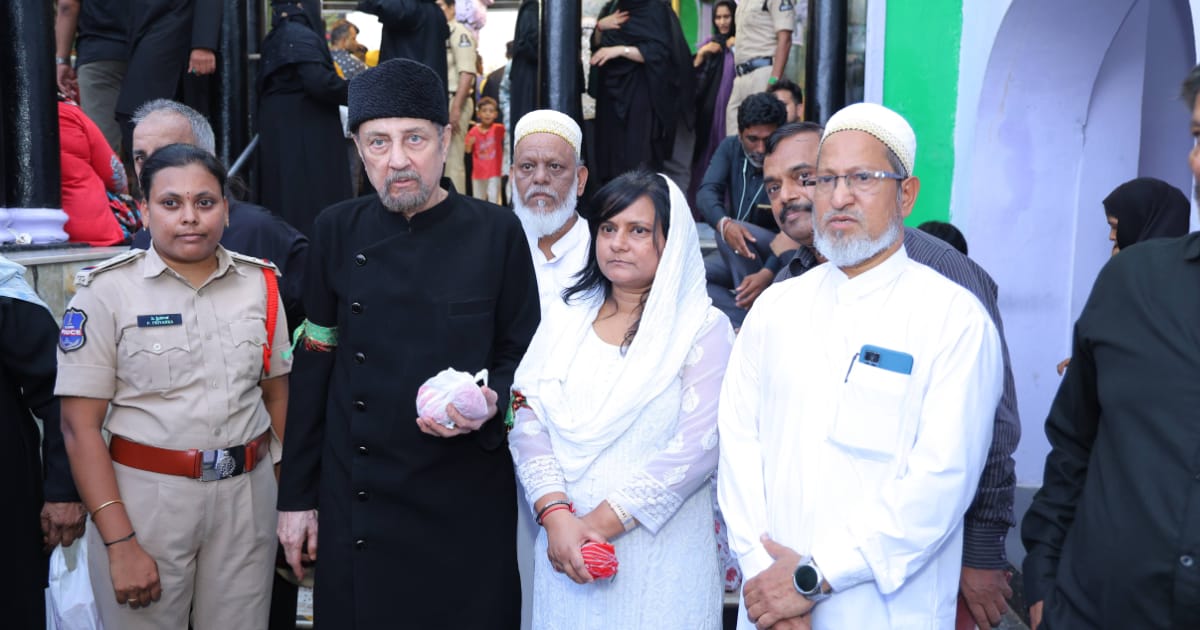
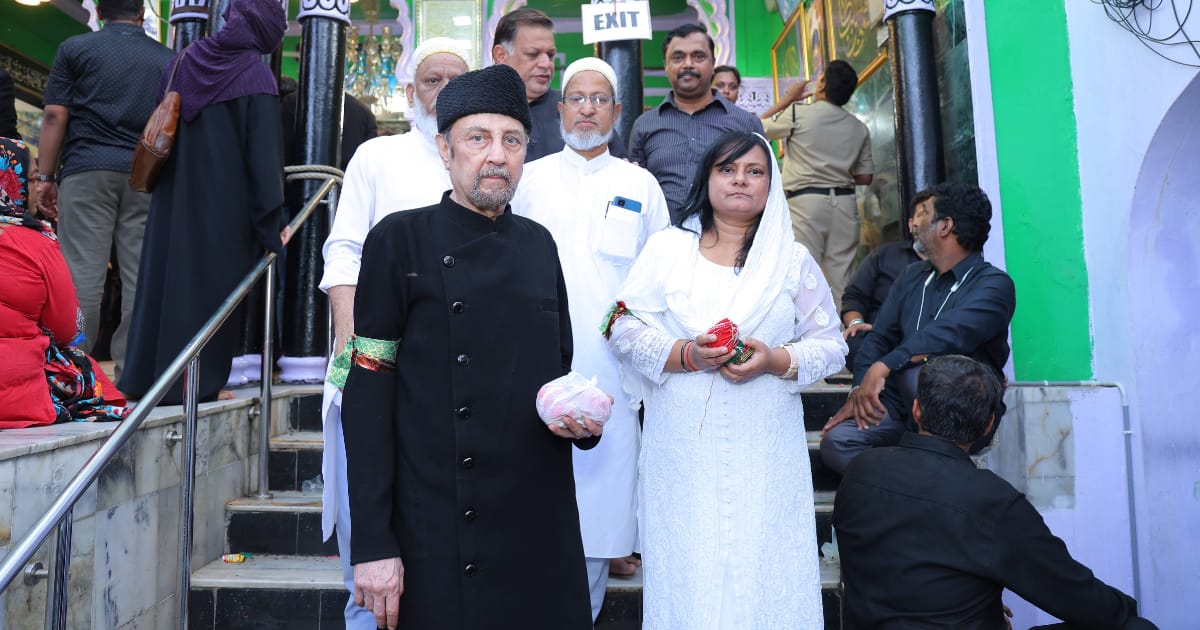
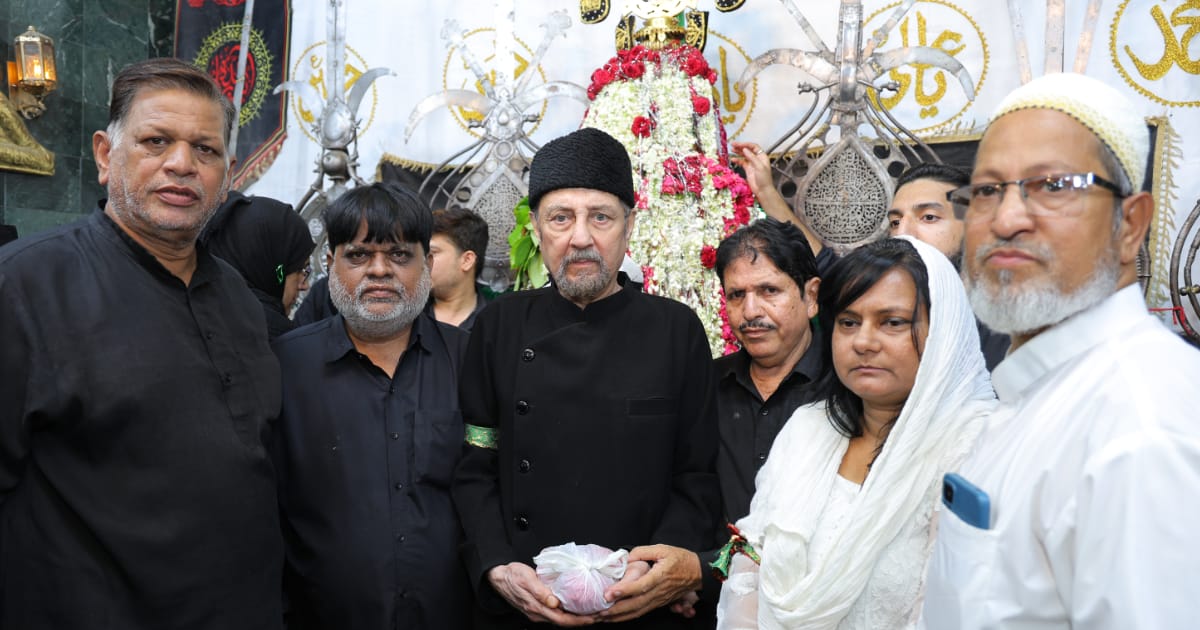
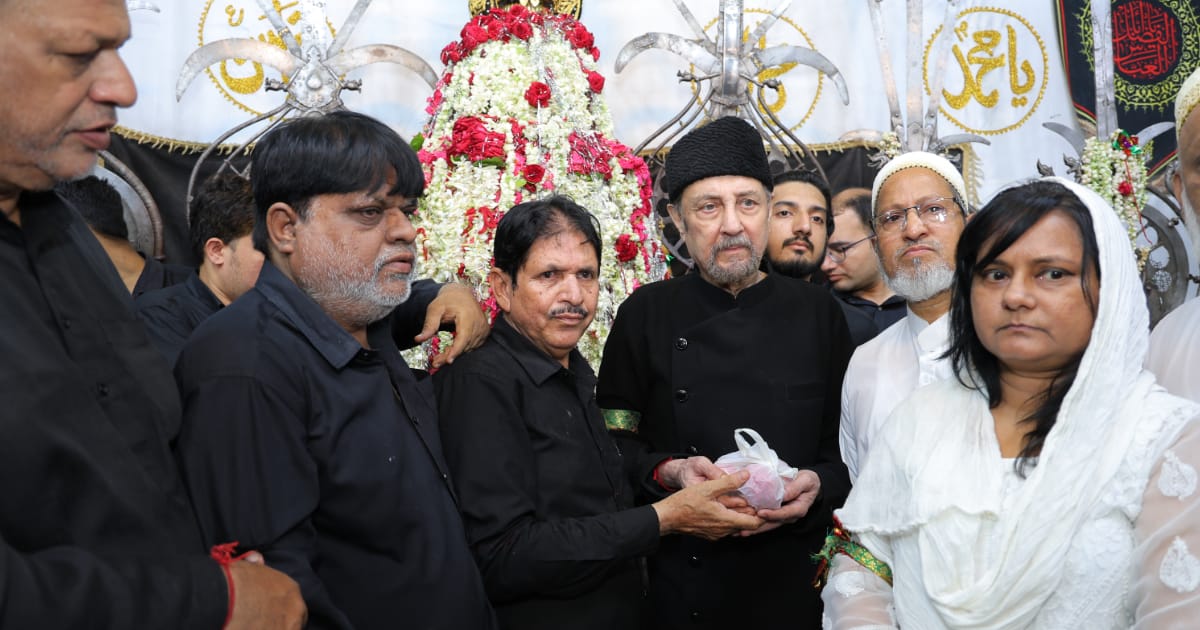
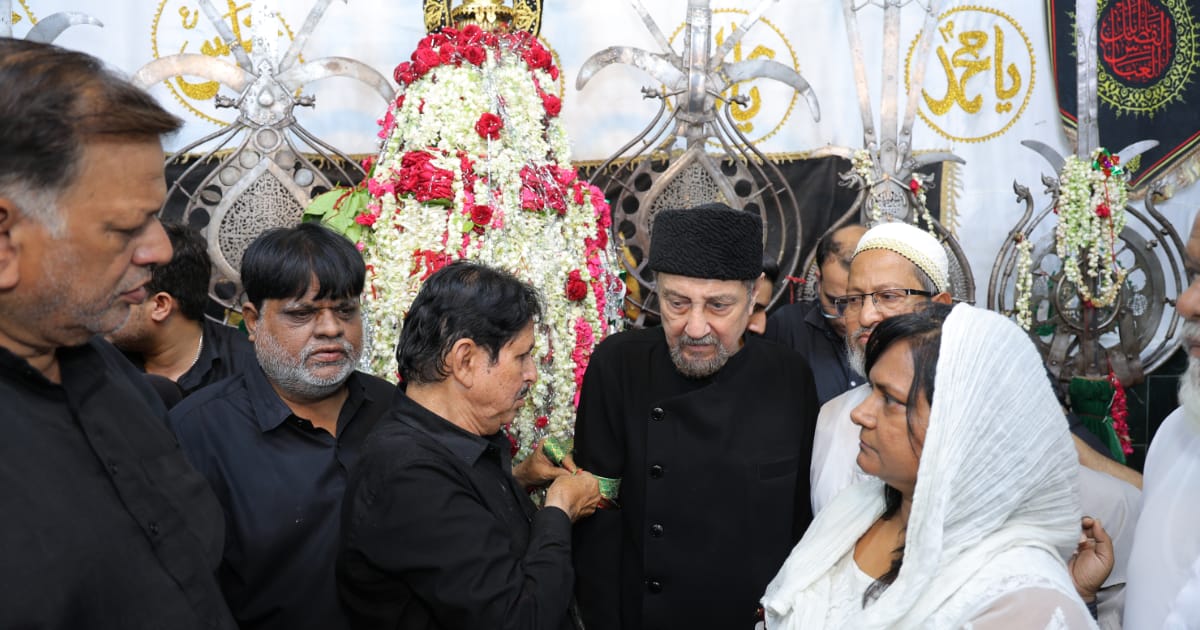
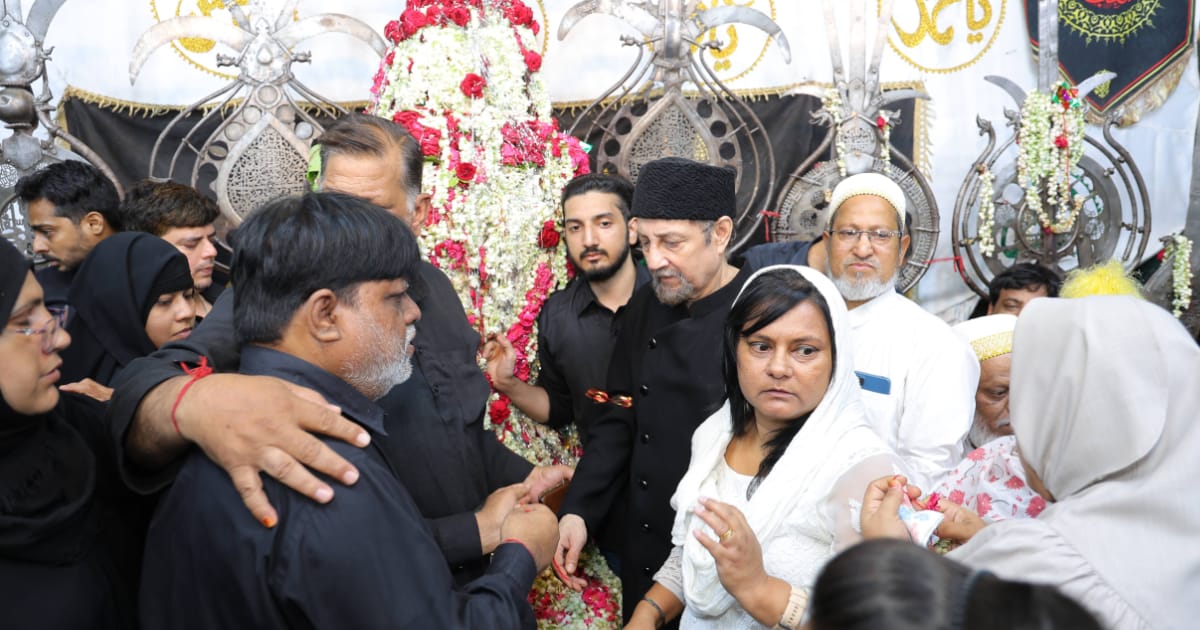
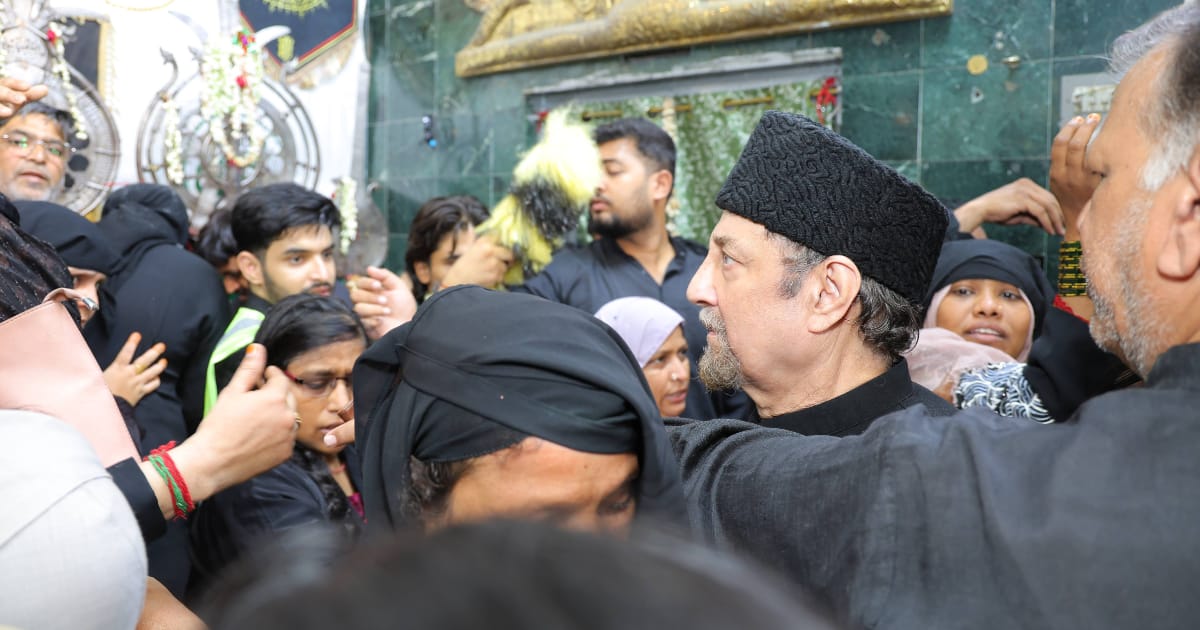
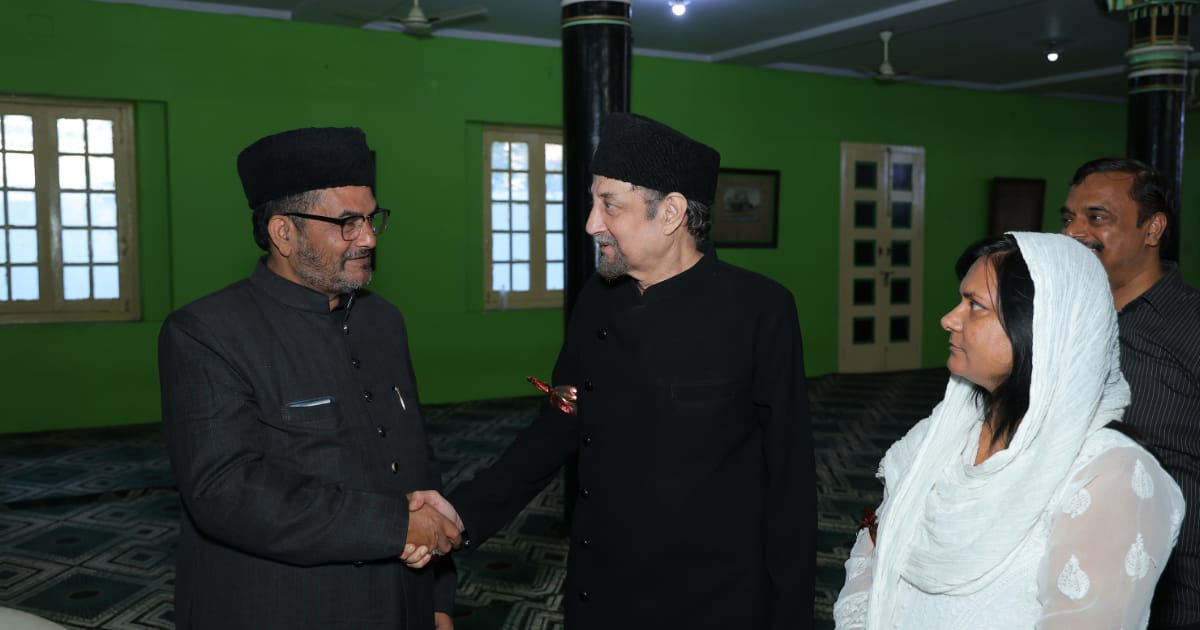
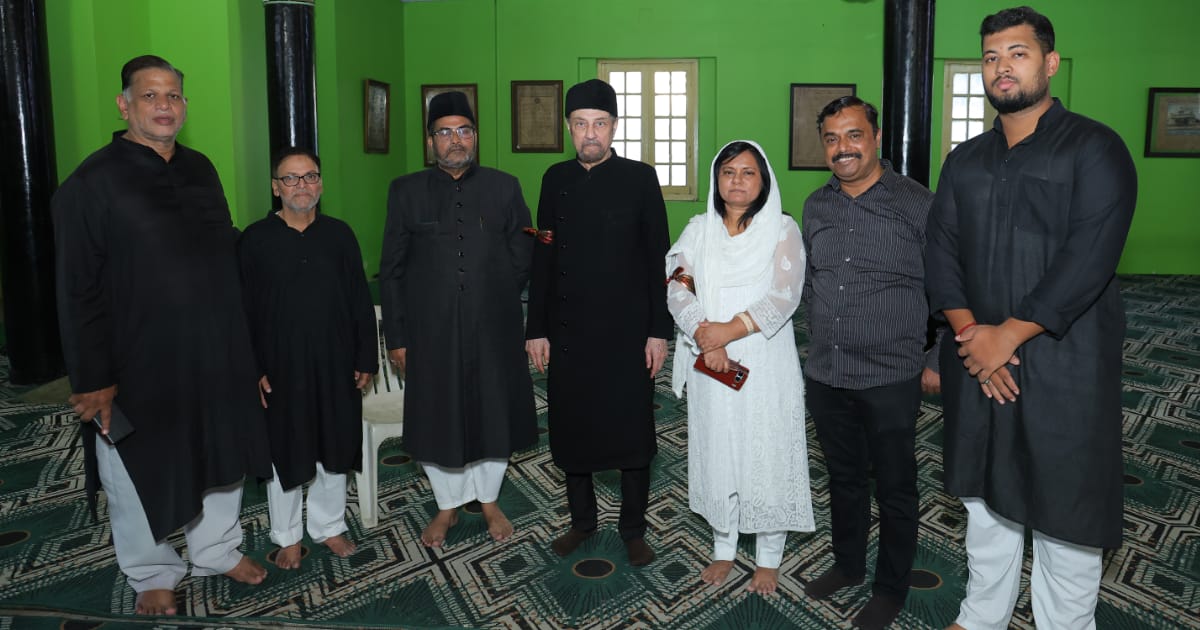
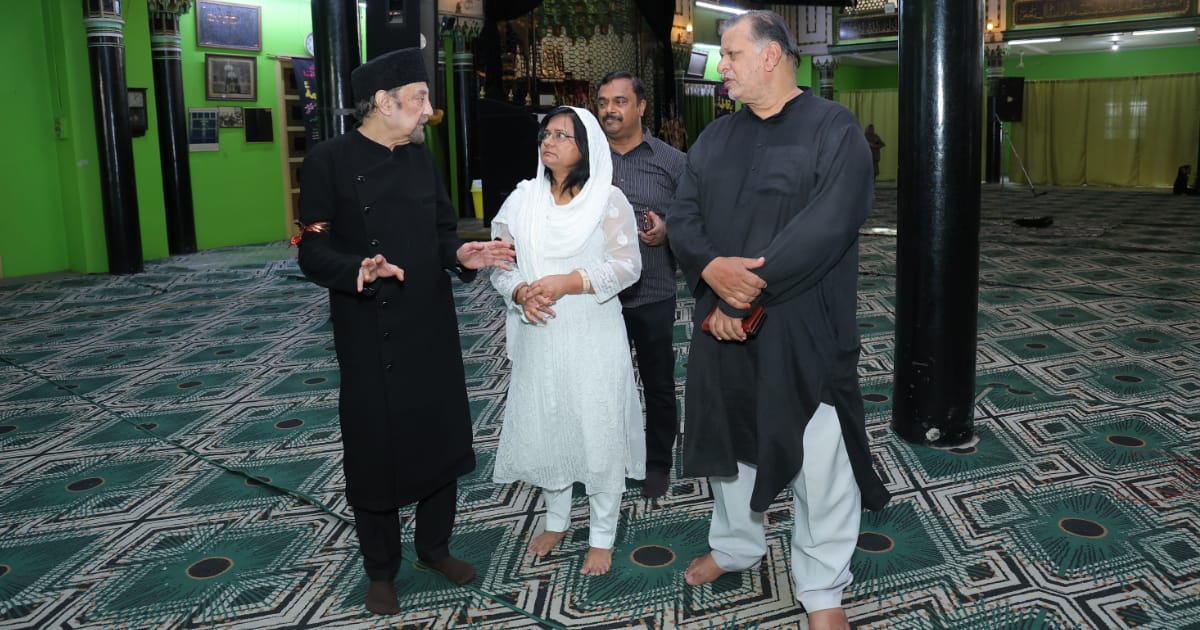
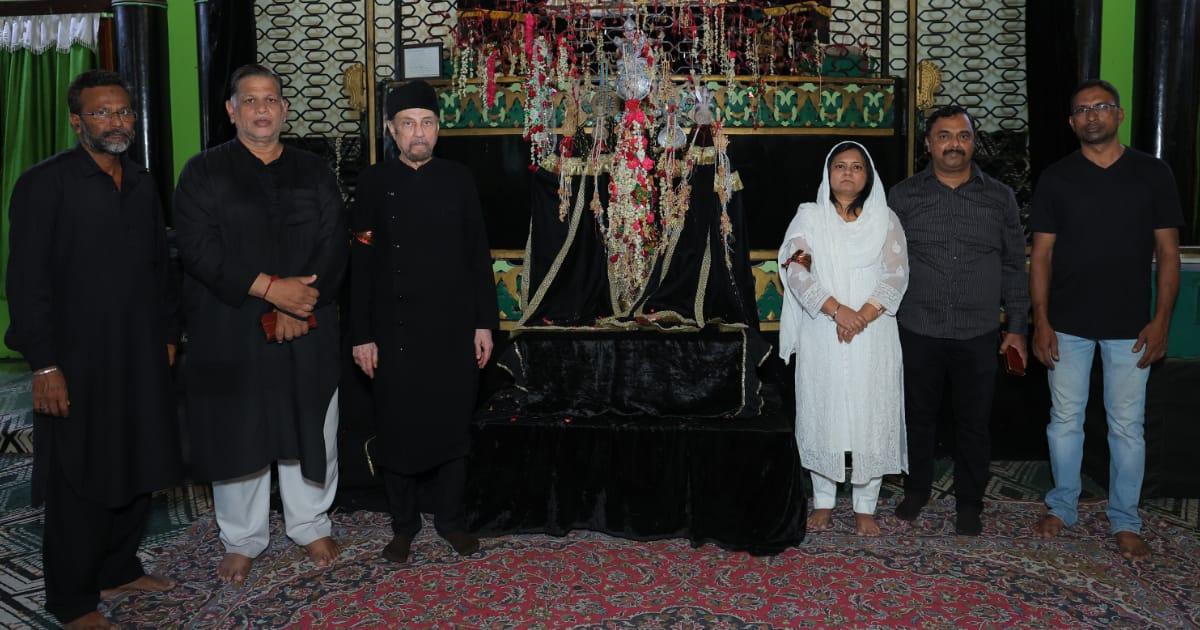
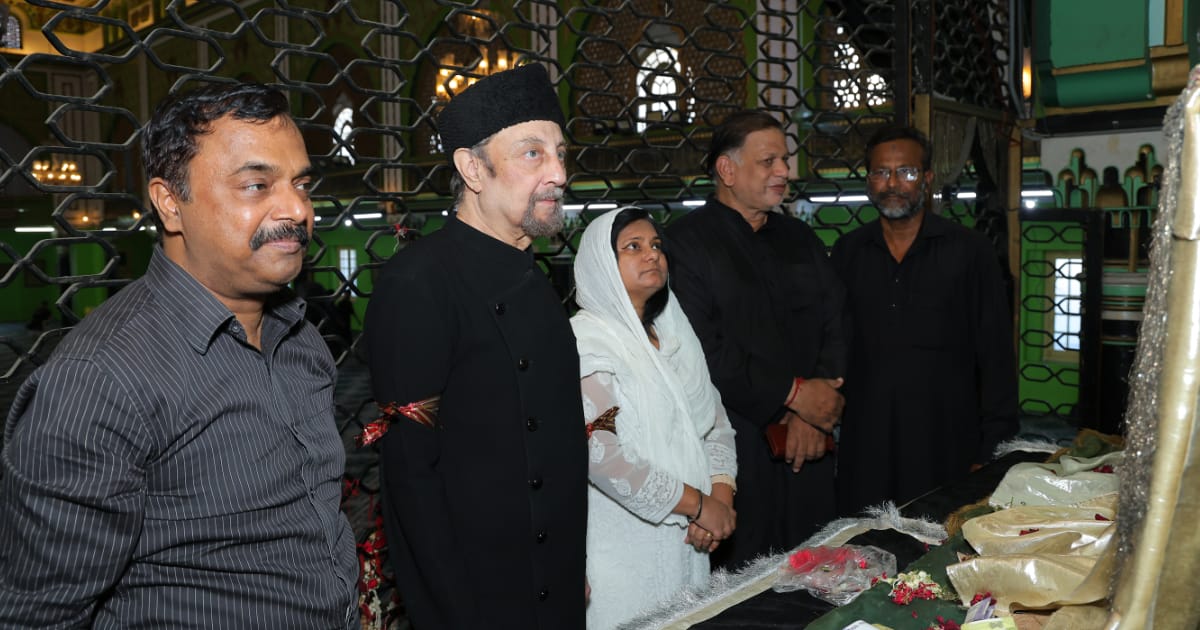
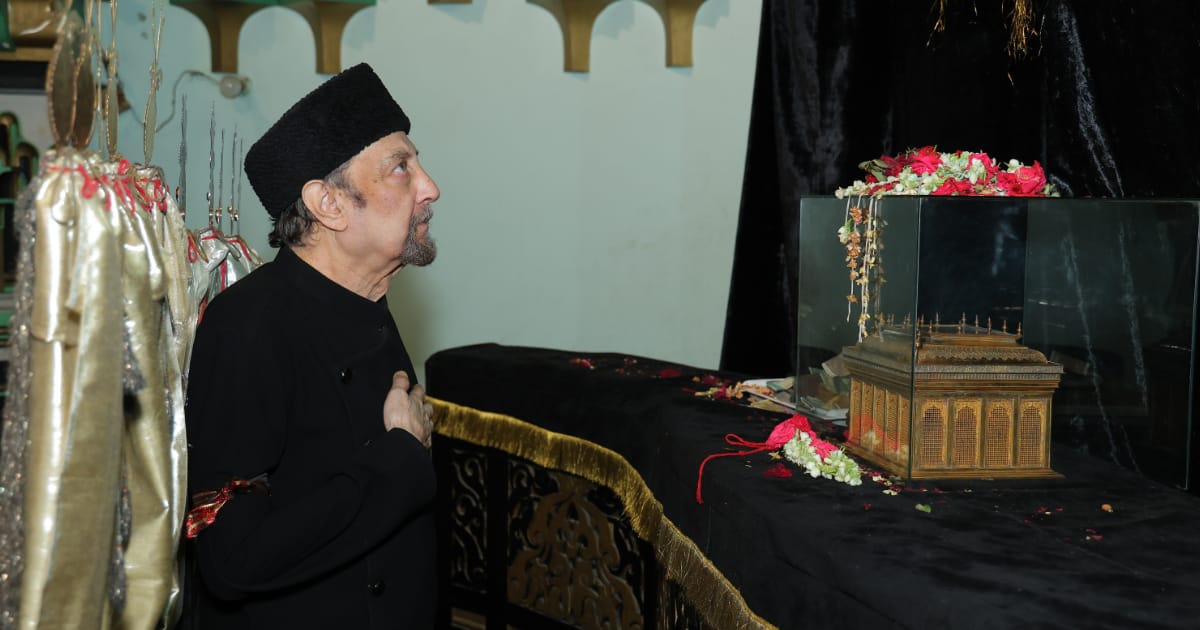
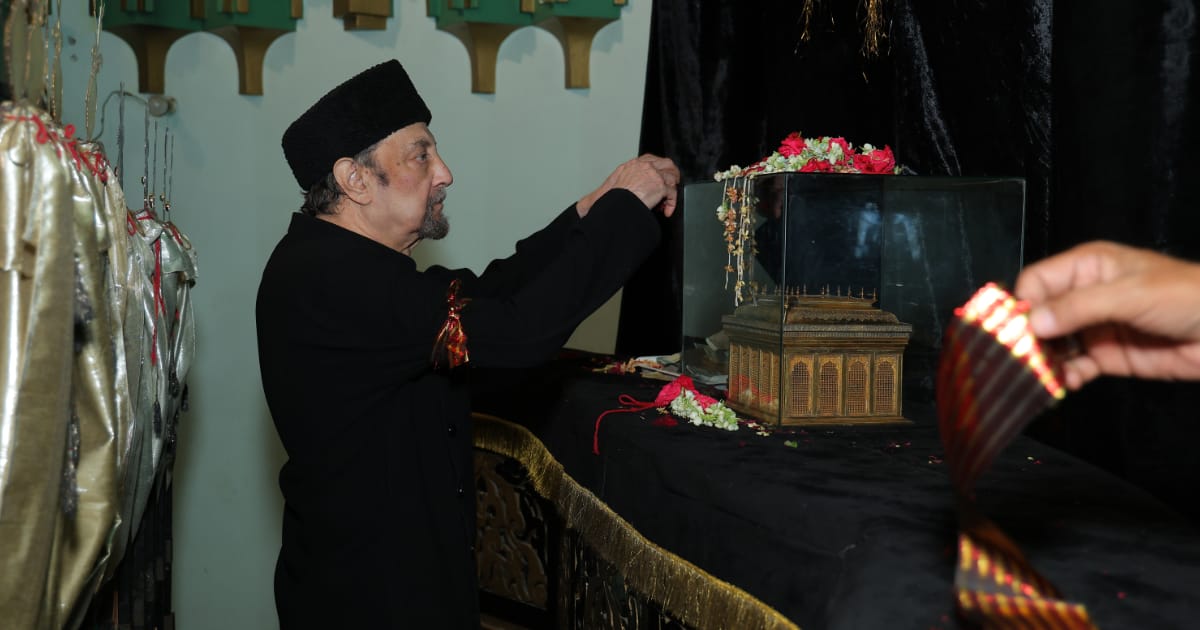
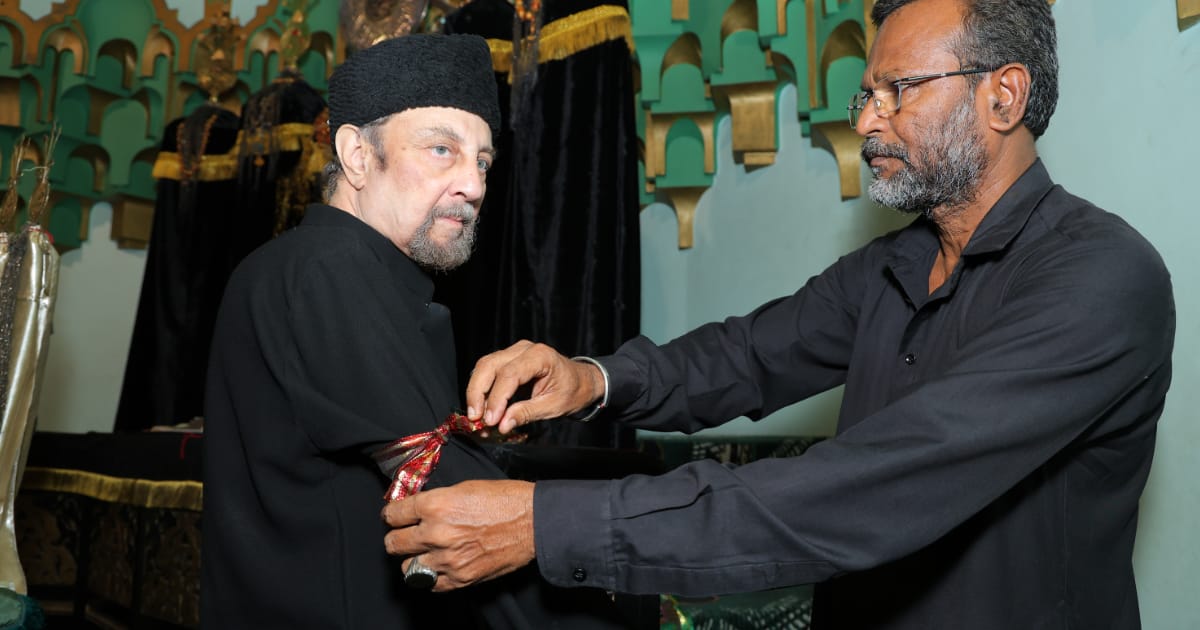
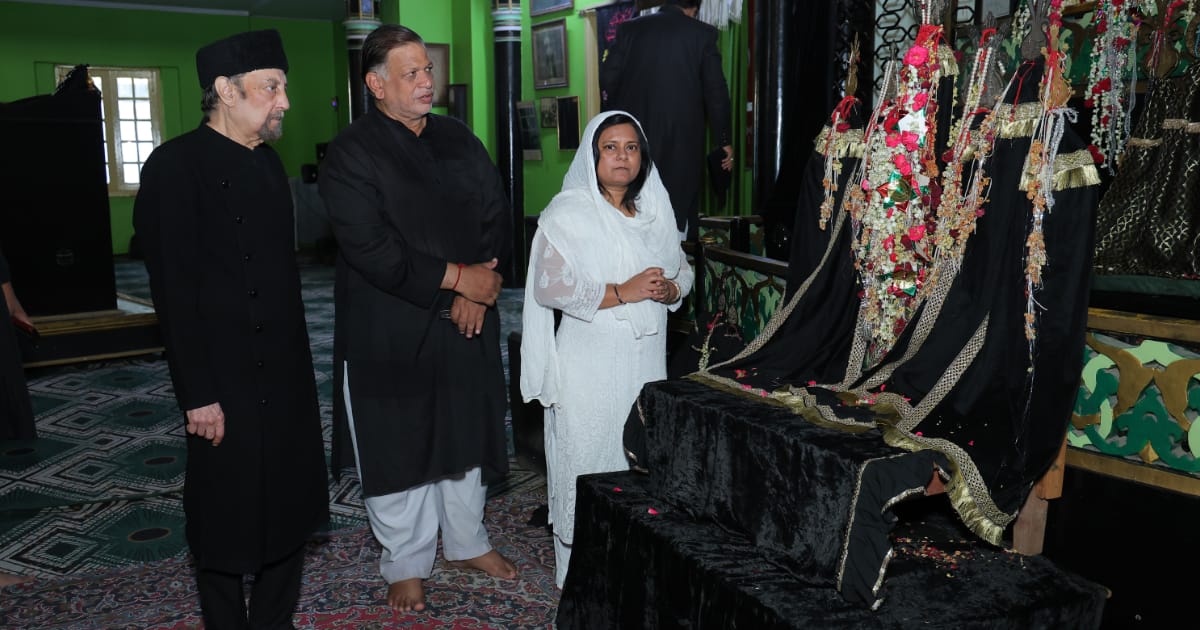
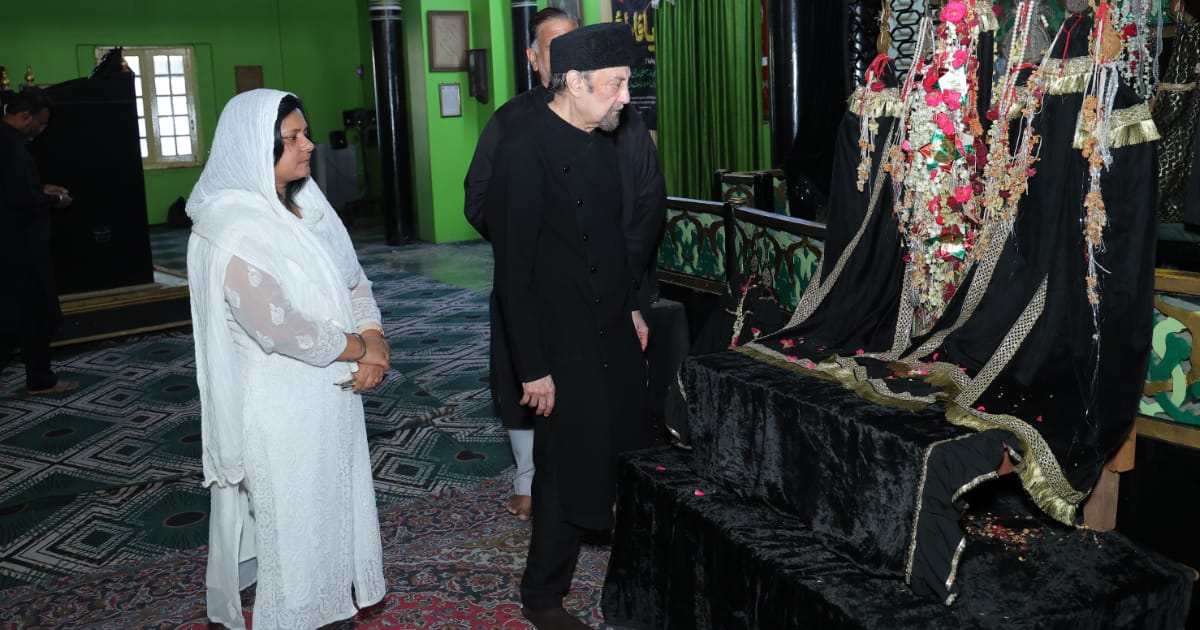
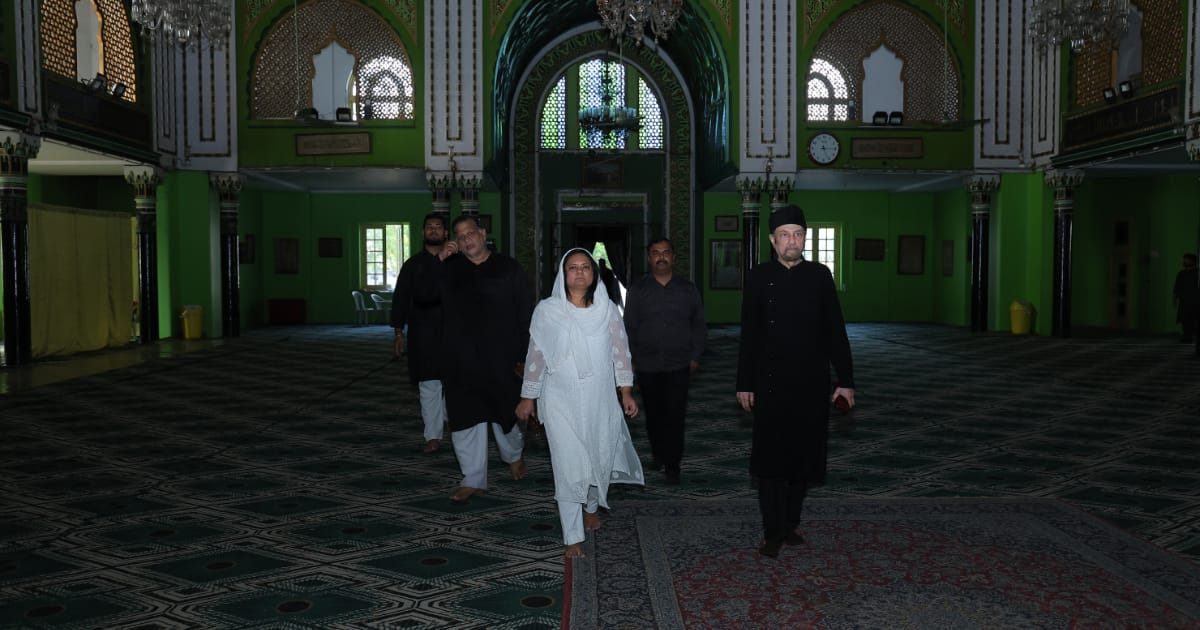
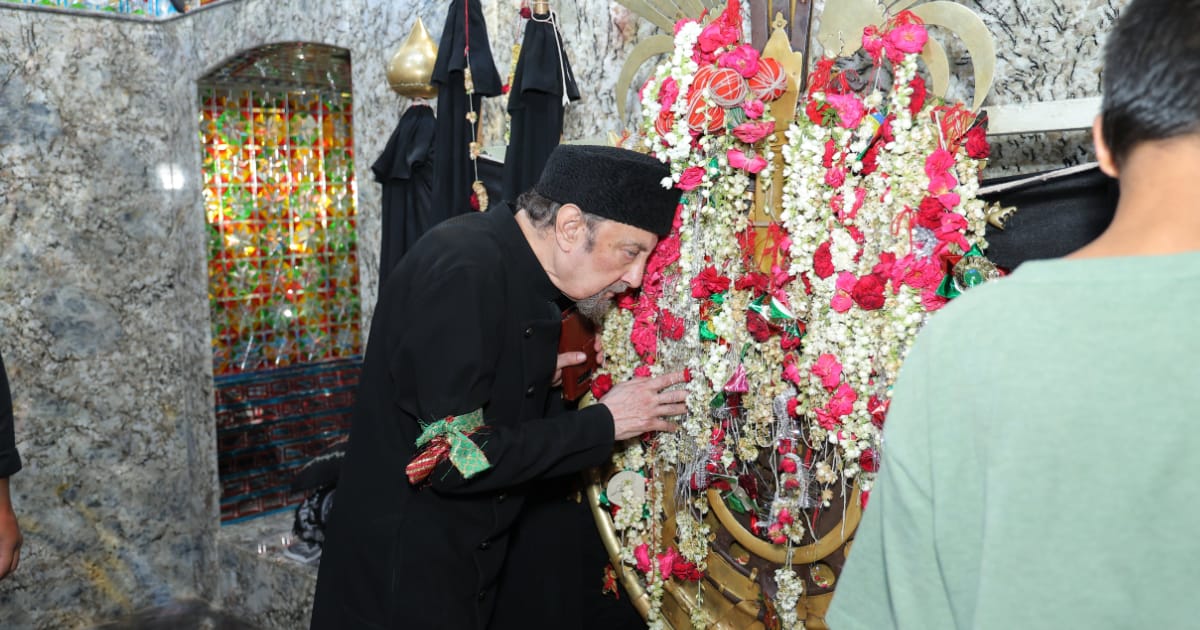
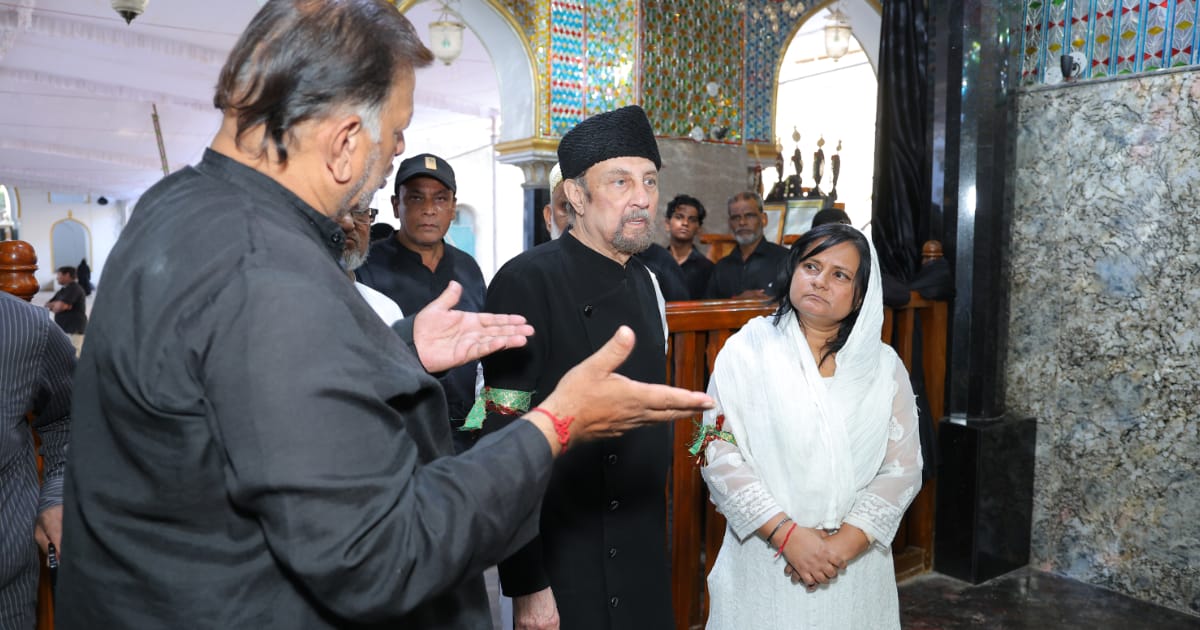
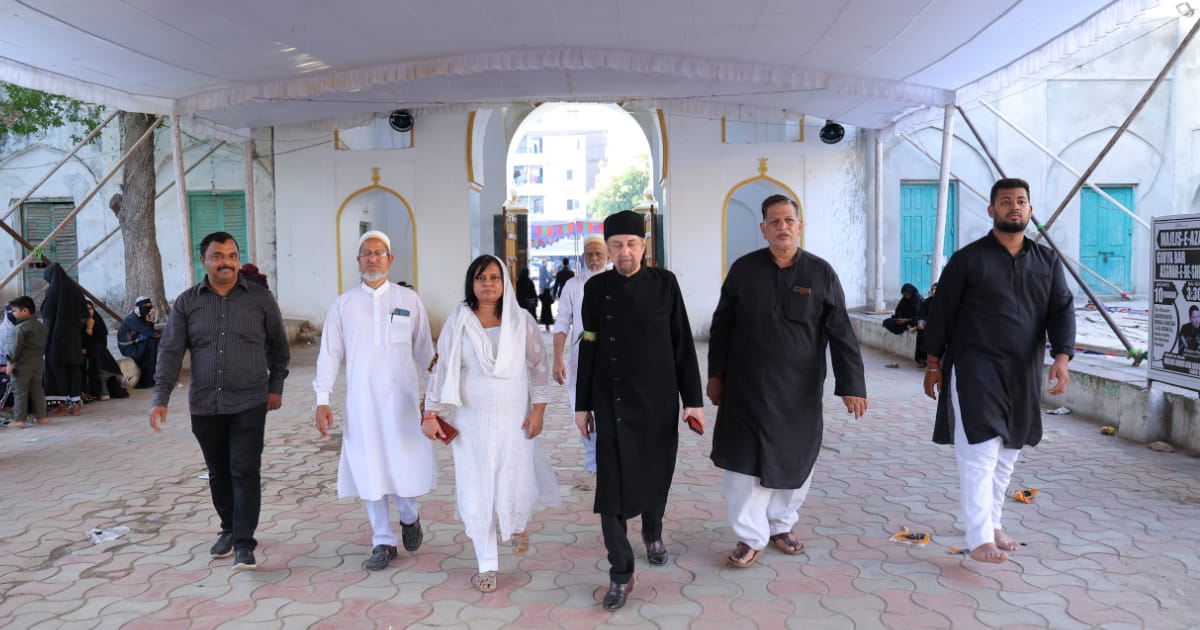
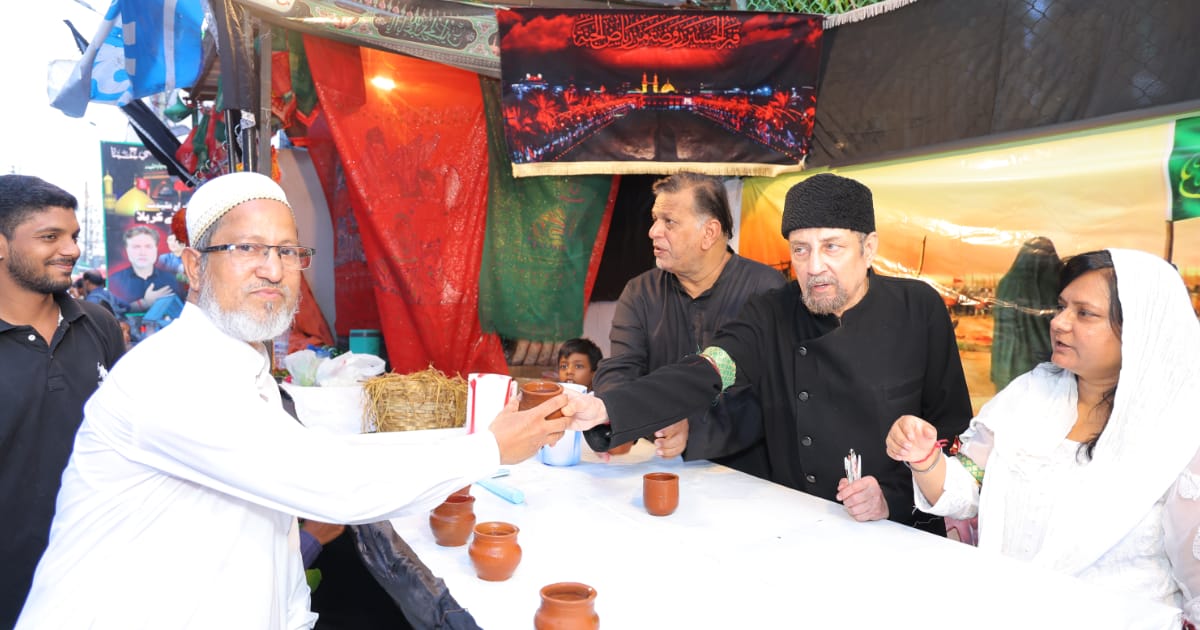
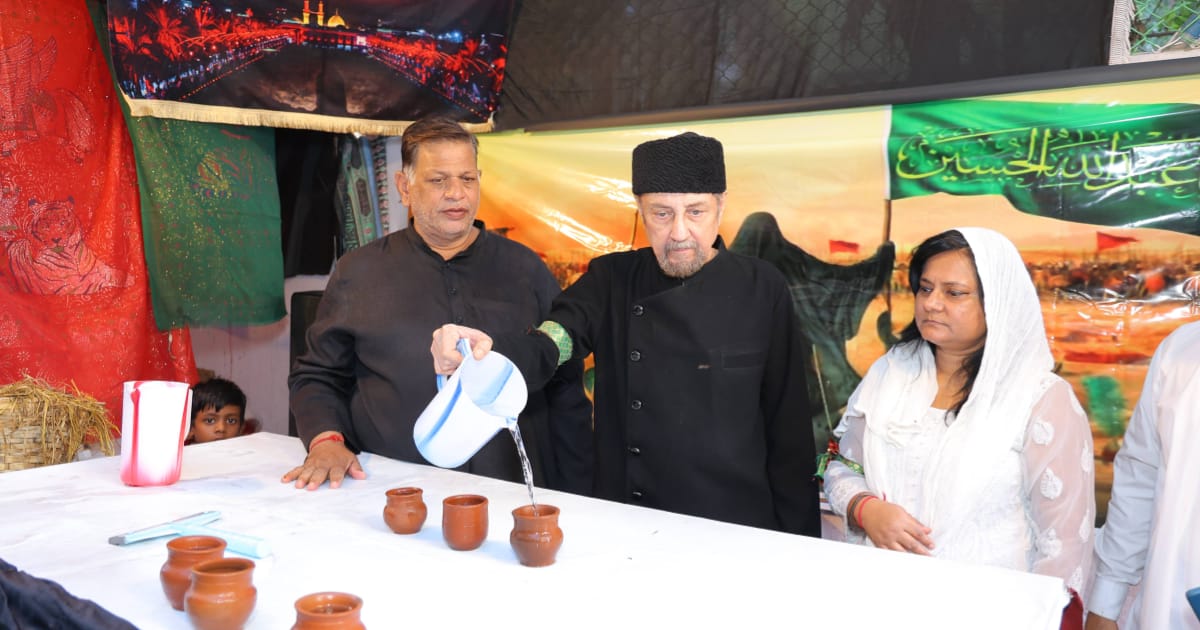
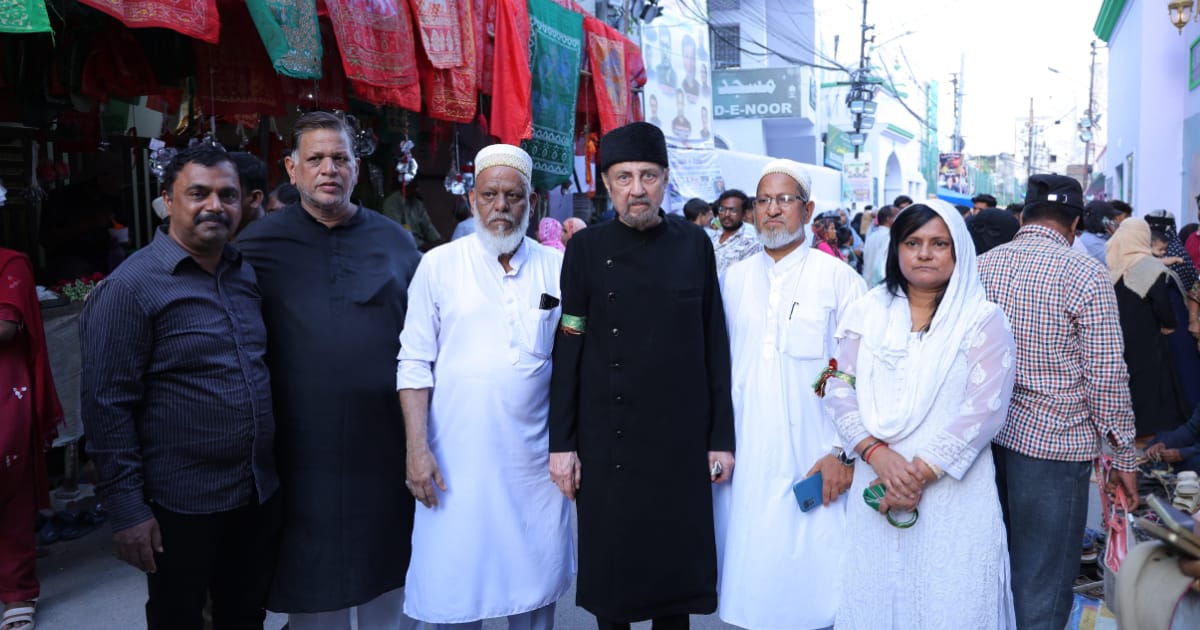
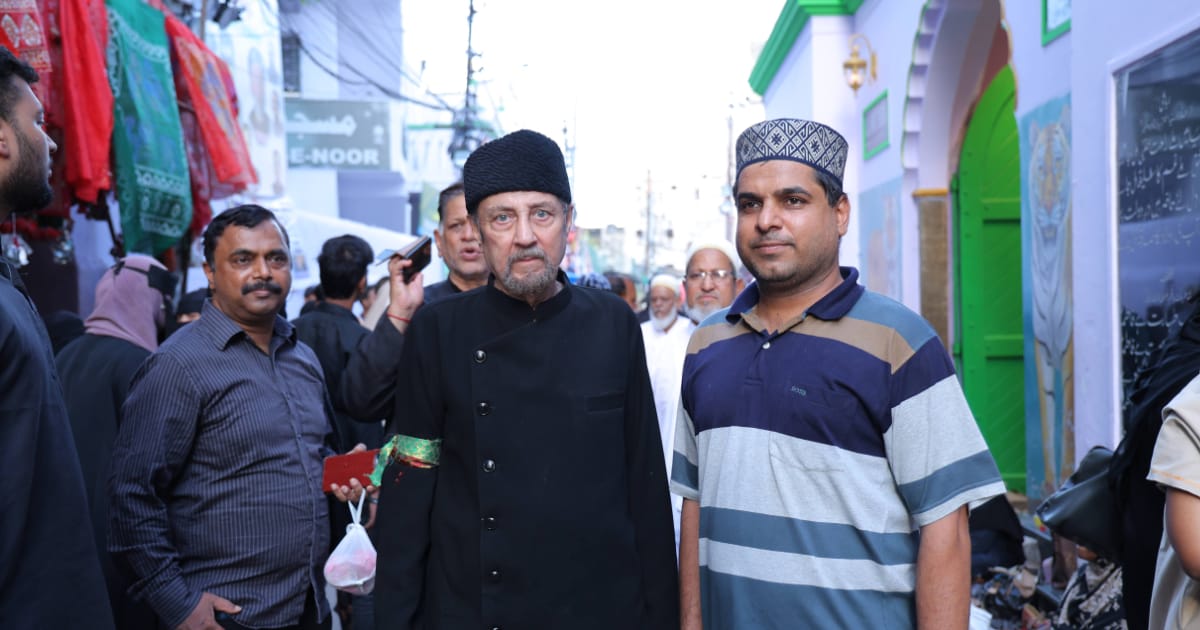
The visits reflected respect for the sacrifices of Hazrat Imam Hussain and the martyrs of Karbala while reaffirming the historical relationship between the Asaf Jahi dynasty and Hyderabad’s religious institutions. Accompanied by public representatives and community leaders from diverse backgrounds, the occasion also conveyed a message of communal harmony and mutual respect that has long characterised Hyderabad’s cultural landscape.
Offering the Dhatti During the Historic Procession
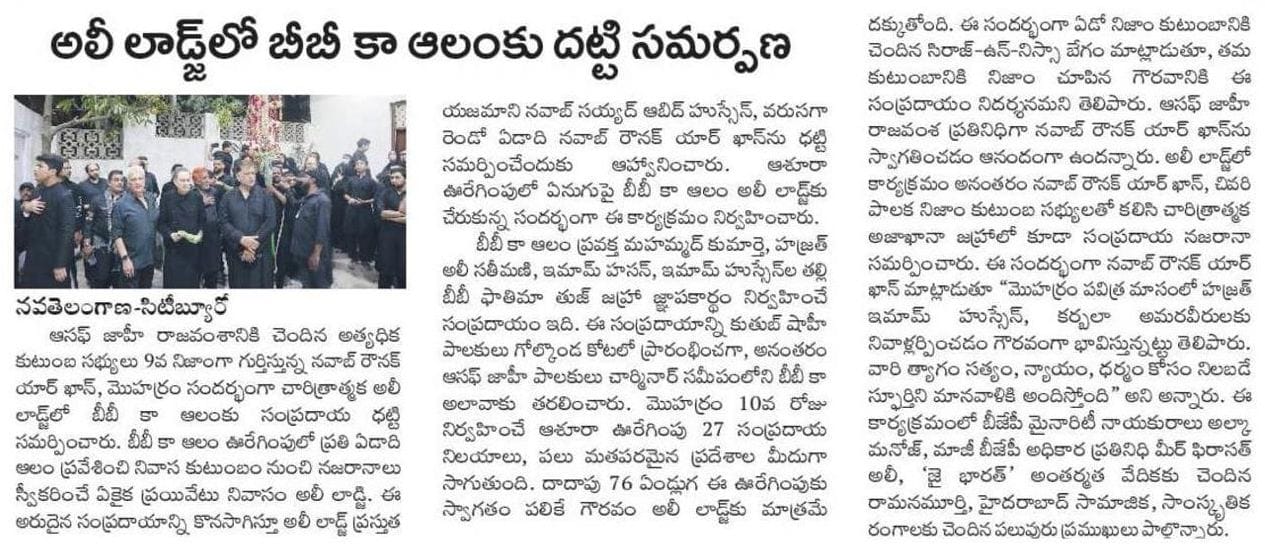
On Youm-e-Ashura, Nawab Raunaq Yar Khan participated in one of the most significant moments of the annual procession by offering the traditional dhatti to the sacred Bibi-ka-Alam. The offering took place at the historic Ali Lodge, a residence distinguished by its unique place in the procession route as the only private estate through which the Bibi-ka-Alam traditionally passes.
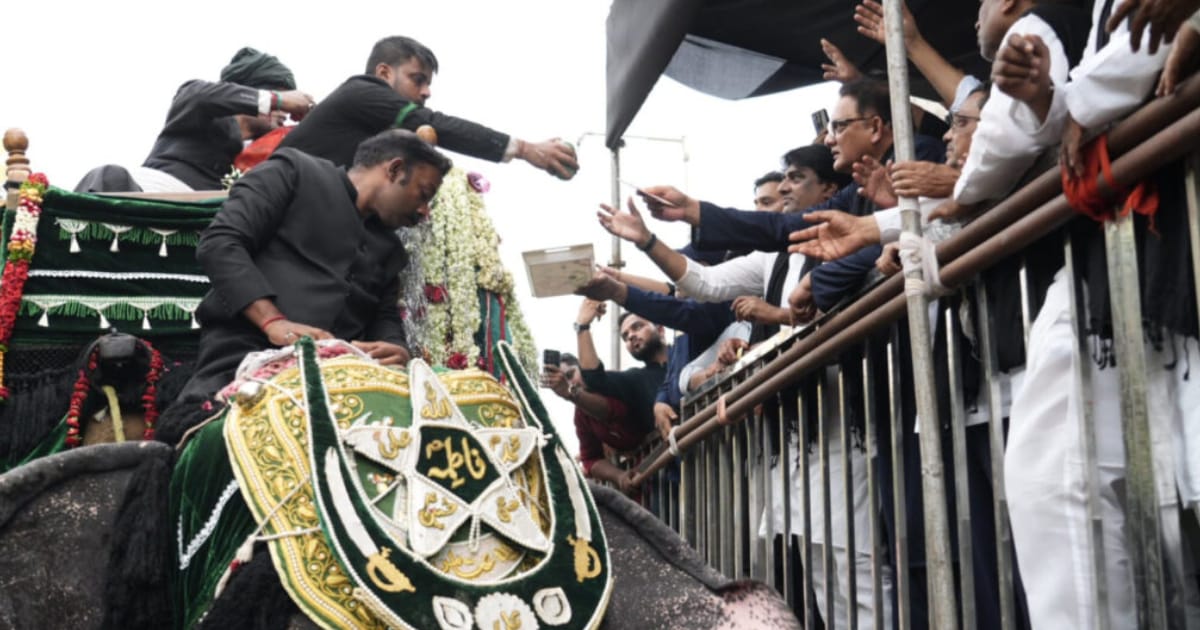
Hosted by Syed Abid Hussain, the ceremony reflected a longstanding association between the custodians of Ali Lodge and the Asaf Jahi family. The continuation of this custom preserves an important chapter of Hyderabad’s ceremonial traditions while reinforcing the city’s enduring reverence for the events of Karbala.
Speaking on the occasion, Nawab Raunaq Yar Khan described it as a privilege to offer his humble tributes to Hazrat Imam Hussain and the martyrs of Karbala, honouring their timeless sacrifice at the historic residence.
The Living Heritage of Bibi-ka-Alam
The annual Bibi-ka-Alam procession remains one of Hyderabad’s largest religious gatherings. Beginning from Bibi-ka-Alawa in Dabeerpura and proceeding through the historic quarters of the Old City before concluding at Chaderghat, the procession attracts thousands of mourners and visitors from across India.
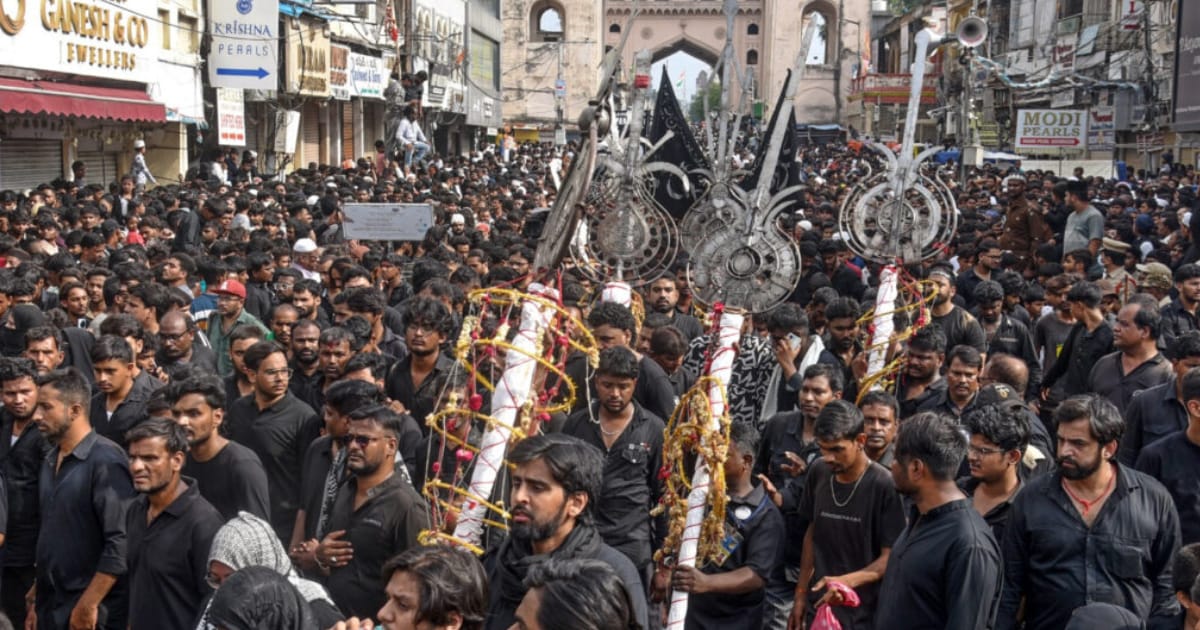
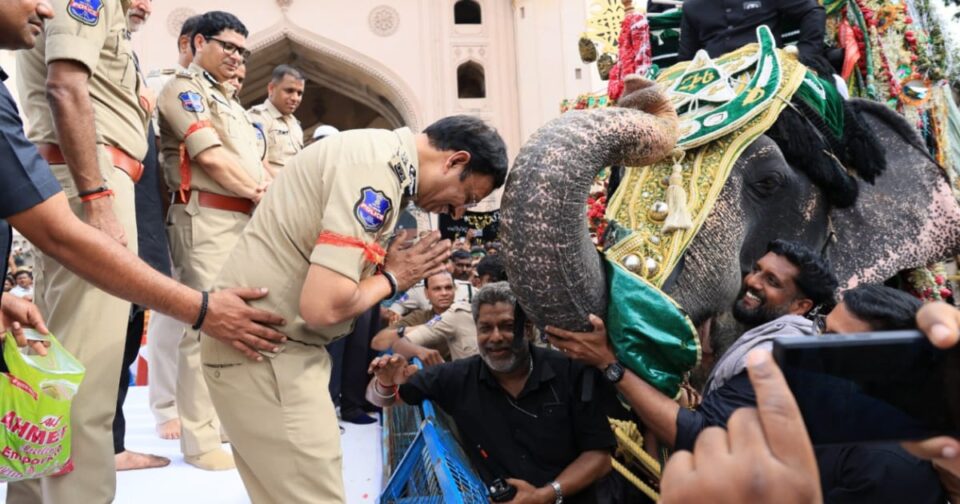
The sacred alam, believed to contain a revered relic associated with Hazrat Bibi Fatima, is carried upon a decorated elephant in accordance with a tradition that has endured for generations. Along its route, ceremonial offerings are made at important religious and historical landmarks, while numerous anjumans join the procession in remembrance of the sacrifice at Karbala.
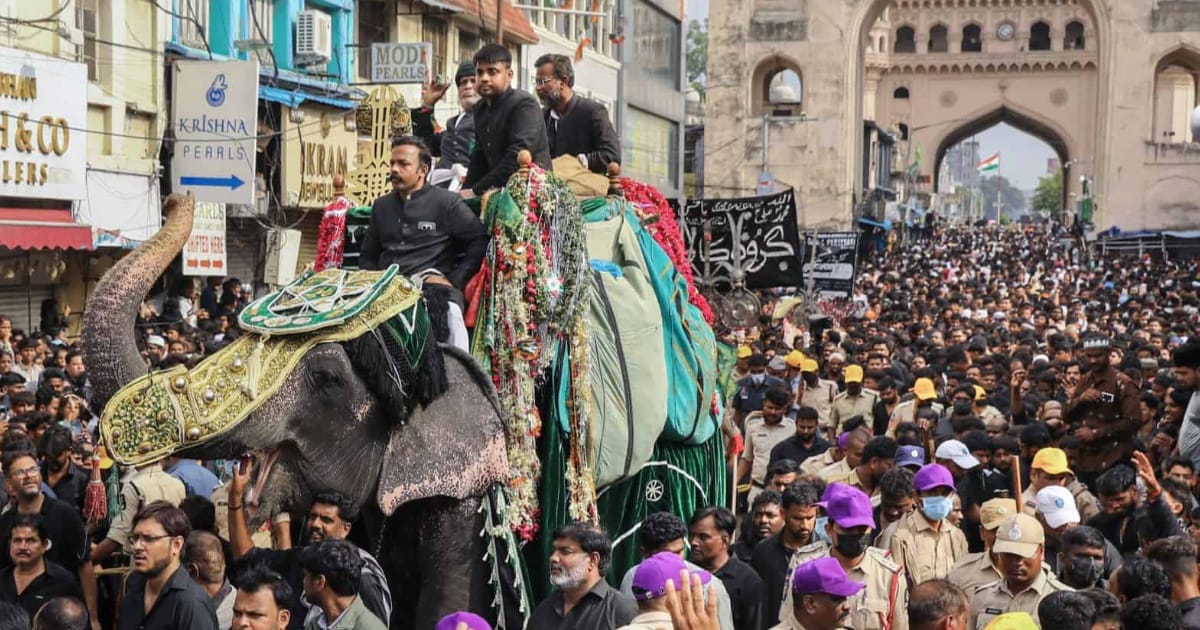
The continued participation of members of the Asaf Jahi family reflects the historical role the dynasty played in nurturing these observances. Through royal patronage, charitable endowments and ceremonial involvement, the Bibi-ka-Alam evolved into one of Hyderabad’s defining public institutions of Muharram and remains an enduring symbol of the city’s religious heritage.
Preserving a Shared Legacy
The participation of Nawab Raunaq Yar Khan during the Muharram observances represents more than ceremonial continuity. It reflects an ongoing commitment to preserving traditions that have shaped Hyderabad’s identity for centuries. By maintaining established customs, engaging with historic religious institutions and participating in significant commemorative events, he continues to reinforce the historical relationship between the Asaf Jahi dynasty and the city’s living heritage.
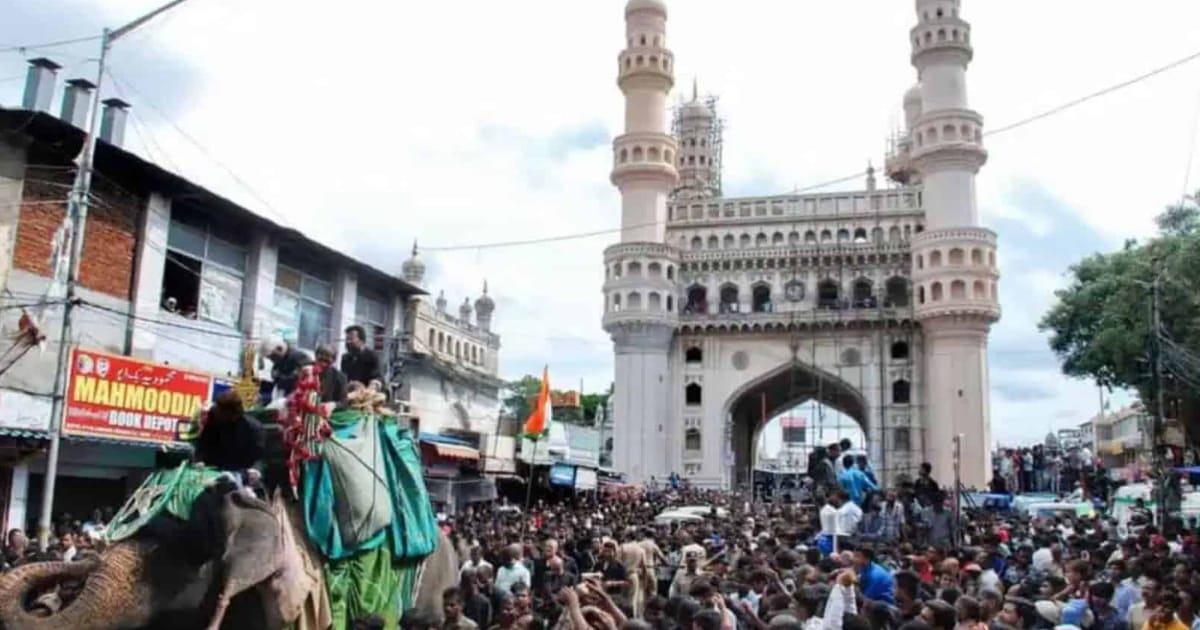
As the Bibi-ka-Alam procession continues to unite generations of devotees and residents alike, these observances remain an important reminder that Hyderabad’s heritage is sustained not only through monuments and archives but also through traditions that continue to be observed with dignity, reverence and public participation.
In The News